
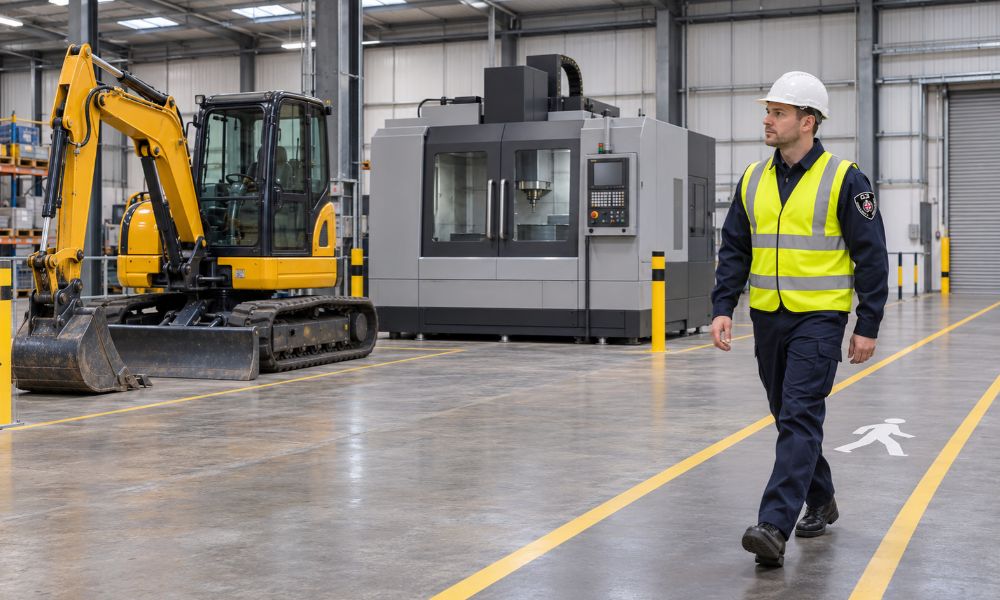
High-value equipment and machinery keep many businesses running. From excavators and generators to manufacturing equipment and warehouse vehicles, these assets represent a major investment. Theft, vandalism, or unauthorised use can lead to expensive repairs, replacement costs, and delays.
Protecting machinery requires more than locking the main gate. Businesses need to control who can reach equipment, monitor where it is stored, and keep clear records when it moves. Professional security services can support these measures through access checks, patrols, monitoring, and incident reporting.
This guide explains how security services help protect valuable equipment and what businesses can do to strengthen their protection.
Why High-Value Equipment Needs Dedicated Protection
The cost of losing machinery goes beyond replacing it. If a generator disappears overnight, workers may arrive the next morning with no power to begin their tasks. A damaged production machine can leave staff waiting, delay customer orders, and put pressure on the rest of the business. When equipment is hired, the company may also face charges under its hire agreement.
Equipment does not always go missing because someone forced their way onto a site. A key left in an unlocked office or a collection driver waved through without checking authorisation can create an opportunity. Smaller tools are easier to carry away, while larger machines left outdoors may receive little attention once the working day ends.
A practical security plan starts with looking at these everyday routines. Who holds the keys? Who approves collections? Does anyone check the equipment before closing? Answering these questions helps businesses spot gaps and prioritise assets whose loss would cause the greatest disruption.
Common Security Risks to Equipment and Machinery
Understanding how equipment could be stolen, damaged, or misused helps businesses choose suitable safeguards.
Theft of Machinery, Tools, and Components
Thieves do not always need to take an entire machine to disrupt work. Tools, batteries, attachments, spare parts, and fuel can also be targeted. A machine may still be on site the next morning but unusable because an essential component is missing.
When reviewing security, businesses should check which parts are easy to remove and where spares and fuel are stored. Protecting these smaller items matters too, especially if replacing them would delay work.
Vandalism and Deliberate Damage
Machinery can be put out of action even when nothing is stolen. A cut cable, broken window, or damaged control panel may leave workers unable to use it until repairs are completed. The disruption can be greater if replacement parts are difficult to obtain.
Before leaving equipment overnight, check whether it can be reached through an open gate or a gap in the fencing. Machinery in outside areas may need more secure storage or additional monitoring outside working hours.
Unauthorised Use
Unauthorised machinery use can cause harm even if the equipment never leaves the site. Someone might borrow a machine without approval or assume that access to the premises gives them permission to operate it. This can put people at risk and damage nearby vehicles, buildings, or equipment.
Security officers can help restrict access to machinery areas and check permissions. The business must still ensure that anyone allowed to operate a machine is properly trained and follows safe working procedures.
Unapproved Equipment Removal
Equipment regularly moves in and out of busy sites, so a collection can appear routine even when it has not been approved. A driver may know the equipment’s name or the contractor involved, but those details alone do not confirm permission to remove it.
A written collection procedure should identify who can approve removal and which equipment is due to leave. This gives security officers a clear way to verify collections and refer unexpected requests to the site manager before allowing equipment through the gate.
How Security Services Help Protect Equipment and Machinery
Security services are most useful when officers have clear duties linked to the equipment, its location, and the way the business operates.
Control Access to Equipment Areas
Permission to enter a site should not mean unrestricted access to its machinery, workshops, or storage areas. A delivery driver may only need to reach the loading bay, while a contractor may need access to one specific work area.
Security officers can check identification, confirm the purpose of a visit, and verify approval before allowing entry. On larger sites, separate permissions for equipment areas help ensure that visitors and contractors only reach the locations needed for their work.
Verify Equipment Deliveries and Collections
A collection vehicle arriving at the expected time does not confirm that it is taking the right equipment. Security officers need clear instructions on who can approve removal and what details to check, such as the asset number, collection reference, driver’s identity, and manager’s authorisation.
If any details are missing or do not match, officers should confirm them with the responsible manager before allowing the equipment to leave. Recording these checks also helps the next shift understand which collections have been completed and which are still expected.
Monitor Machinery and Storage Areas
Equipment parked behind a workshop or stored in a distant yard may be out of sight of the officer at the main entrance. Security coverage should account for these areas, especially when valuable machinery remains there overnight.
On-site officers can check gates, doors, and locks for damage or signs of tampering. Where visibility is limited, additional patrols or camera monitoring can help cover areas that cannot be observed from the entrance.
Conduct Mobile Patrols
Mobile patrols help monitor equipment spread across large premises, including machinery yards, warehouses, and construction sites. Officers can check fencing, gates, and storage areas, looking for damage, unsecured entrances, or suspicious activity. Clear patrol instructions help ensure that vulnerable equipment and access points receive attention.
The time between visits matters when choosing coverage. A site needing occasional checks may suit mobile patrols, while equipment requiring constant supervision may need an officer stationed on site.
Support CCTV and Alarm Monitoring
A camera recording a machinery yard is only part of the protection. If no one notices an alert or knows how to respond, suspicious activity may go unchecked. Cameras and alarms should cover equipment storage areas, loading bays, entrances, and routes used to move machinery.
Security officers can review alerts and report concerns within their assigned duties. The business and provider should agree on who monitors the systems, who receives notifications, and what action to take when an alert requires attention.
Manage Access to Machinery Keys
A machinery key left on a desk or passed between workers without a record can make unauthorised use easier. Store keys securely and issue them only to approved people, recording who takes each key and when it is returned.
Security officers can manage this process as part of their agreed duties. If a key is missing or overdue, they should notify management promptly so access can be reviewed and appropriate action taken.
Provide After-Hours Coverage
Once staff leave for the day, machinery may remain unattended until the next shift or after the weekend. Security arrangements should account for these quieter periods, when fewer people are available to notice a problem.
Officers can monitor entrances, check equipment storage areas, and follow site procedures if concerns arise. They should also know which cleaners, maintenance teams, or contractors are expected after hours. A clear schedule and access process make unexpected visits easier to identify and verify.
Report Incidents and Preserve Useful Records
When equipment is missing or damaged, managers need a clear account of what was discovered, when it was noticed, and what action was taken. Officers should record their observations accurately, separating confirmed facts from assumptions. Access logs and collection records can help establish who entered the area and whether equipment was authorised to leave.
Personal safety should guide the response. Site procedures should explain when to notify management or contact emergency services, with officers acting within their training and assigned responsibilities.
Practical Measures That Strengthen Equipment Security
Professional security works best alongside sensible asset controls. Businesses can reduce avoidable gaps by improving how machinery is identified, stored, and managed.
Keep an Accurate Equipment Register
Keep an up-to-date register of valuable equipment, including its description, serial number, photographs, and usual storage location. Include hired machinery and identify the person or department responsible for each asset. Update the register whenever equipment arrives, leaves, or moves between sites. Clear records make missing items easier to identify and provide useful details if a loss needs to be reported.
Store Equipment in Suitable Areas
Store machinery in secure buildings or designated parking areas where possible. Check that fencing, gates, and lighting help protect the area, and consider how easily someone could reach or remove equipment. Keep smaller tools and detachable parts in separate locked storage, and use suitable security devices according to the manufacturer’s instructions. Leave walkways, emergency exits, and access routes clear.
Establish a Clear Movement Procedure
Use a clear, consistent process for equipment deliveries, collections, transfers, and returns. Specify who can approve each movement, what details must be recorded, and how security officers should check unexpected requests. Share these requirements with contractors and hire companies before they arrive. This helps keep routine movements organised and reduces the risk of equipment leaving without permission.
Review Access Permissions
Update access permissions when people’s roles or responsibilities change. Review keys, passes, and access rights when employees leave, contractors complete their work, or projects enter a new phase. Remove permissions that are no longer needed and report lost keys or passes promptly so they can be secured or deactivated as appropriate.
Consider Tracking and Identification Measures
Tracking systems can help locate equipment, while asset marking makes it easier to identify. Choose options suited to the machinery and its working conditions, and assign someone to review alerts and act on location information. Use these measures alongside secure storage, access checks, and physical protection.
Which Security Coverage Fits Your Equipment?
The right arrangement depends on asset value, portability, site layout, and the consequences of loss.
Construction Sites
Construction sites change as work progresses, with machinery, generators, and tools moving between work areas and storage locations. Security arrangements need to keep pace so equipment remains covered.
Construction security can help through gate checks, patrols, and monitoring of equipment areas. Update officers’ instructions whenever entrances, storage locations, or collection arrangements change so they know where to check and which movements are authorised.
Warehouses and Distribution Facilities
Warehouses need to protect handling equipment, stored tools, and valuable goods passing through loading bays. Warehouse security officers can check access permissions, monitor deliveries and collections, and verify equipment movements outside normal working hours. Keeping officers informed about expected vehicles, contractors, and schedules helps them spot activity that needs further checking.
Industrial and Manufacturing Premises
Fixed machinery can be damaged or tampered with even when it is too large to steal. Industrial and warehouse security officers can monitor restricted areas and check that visitors and contractors have permission to enter. Maintenance, repairs, and machinery safety checks should remain with qualified personnel.
Equipment Hire and Storage Yards
Equipment hire businesses manage regular collections and returns, making it important to confirm that each item leaves with an authorised person. Security officers should check the collector’s details and equipment identification against booking and asset records. If anything is missing or does not match, they should contact the responsible staff member before allowing the equipment to leave.
What to Look for Security Provider
Valuable equipment can remain exposed when security officers lack clear instructions about storage areas, authorised collections, or access permissions. Gaps in staffing and poor shift handovers can also leave important checks unfinished.
At G3 Security, we work with you to understand your site and define the coverage it needs. We agree on officer duties, access checks, reporting, and escalation procedures, supported by site briefings, supervision, and clear handovers. This gives officers the information they need to help protect your machinery and equipment.
Conclusion
Protecting high-value equipment and machinery requires clear access rules, secure storage, accurate records, and reliable monitoring. Security officers can support these measures by checking equipment movements, patrolling vulnerable areas, and reporting concerns before they become larger problems.
The most effective plan reflects how your equipment is used, where it is kept, and what its loss would mean for your business. Contact G3 Security to discuss coverage suited to your premises and equipment protection needs.
 Get a Quote
