
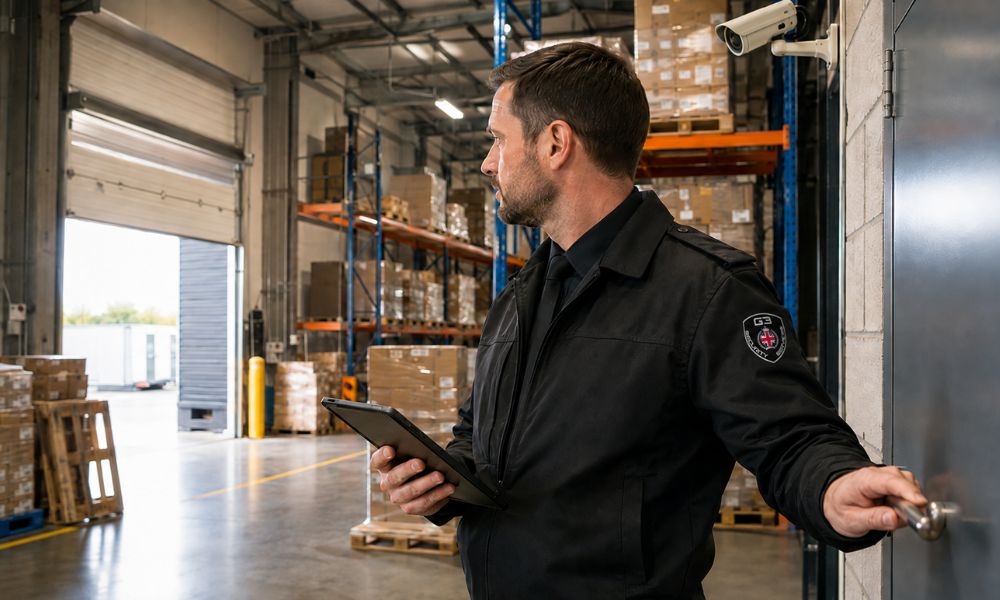
Warehouses can hold valuable stock, expensive equipment, vehicles and sensitive business information, making them attractive targets for theft and other security incidents. However, security problems are not always caused by a lack of security equipment. In many cases, simple mistakes in access control, staff procedures, maintenance or monitoring can create unnecessary risks.
A strong warehouse security strategy should identify these weaknesses and address them before they result in theft, damage or unauthorised access. Here are some of the most common warehouse security mistakes businesses should avoid.
1. Relying Only on CCTV
CCTV cameras are an important part of warehouse security, but they should not be your only security measure. Cameras can record activity and help identify what happened after an incident, but they may not physically prevent someone from entering the property. If nobody is monitoring the cameras or responding to suspicious activity, their effectiveness can be limited. CCTV works best alongside other measures such as access control, alarms, security lighting and physical security personnel.
2. Leaving Entry Points Poorly Secured
Warehouse doors, loading bays, emergency exits and gates can become easy access points when they are not properly secured. Businesses sometimes focus on the main entrance while overlooking secondary doors or loading areas. These locations may have less visibility and can therefore create additional security risks. Check all entry points regularly. Make sure locks, doors, gates and access systems are working correctly and that employees understand when they should be secured.
3. Giving Too Many People Unrestricted Access
Not every employee, contractor or visitor needs access to every part of a warehouse. Giving people unrestricted access can make it harder to identify unusual activity and increases the number of people who can reach valuable stock or restricted areas. Use appropriate access control procedures and only provide access based on a person’s role. Visitor access should also be controlled and monitored rather than allowing visitors to move freely around the facility.
4. Ignoring Loading and Delivery Areas
Loading bays are often busy throughout the working day, with employees, delivery drivers, contractors and vehicles coming and going. This activity can make it difficult to identify someone who should not be there. Poorly controlled loading areas may therefore create opportunities for theft or unauthorised access. Businesses should establish clear procedures for deliveries and collections. Staff should know who is authorised to enter loading areas and how delivery personnel should be identified.
5. Poor Warehouse Lighting
Dark areas around a warehouse can provide cover for unauthorised individuals and make suspicious activity more difficult to detect.This is particularly important around external doors, loading bays, car parks, perimeter fencing and storage areas. Review the lighting across the entire property rather than concentrating only on the main entrance. Replace damaged lights promptly and consider suitable security lighting for areas that remain vulnerable outside normal operating hours.
6. Failing to Secure Valuable Stock
High-value goods should not be treated in the same way as ordinary stock. Leaving expensive equipment, electronics, tools or other valuable products in easily accessible areas can increase the potential impact of a security incident. Consider where valuable items are stored and whether additional controls are required. Restricted storage areas, stronger access controls, inventory checks and appropriate monitoring can help reduce unnecessary exposure.
7. Poor Key and Access Card Management
Lost keys, access cards and security passes can create a significant security weakness if they are not dealt with quickly. A business should know who has access to the warehouse and which areas each person is authorised to enter. Keep accurate records of keys and access credentials. When an employee leaves the business or no longer requires access, their permissions should be reviewed and removed where appropriate.
8. Neglecting Perimeter Security
Warehouse security starts before someone reaches the building. Damaged fencing, unsecured gates, gaps in boundaries and overgrown vegetation can make it easier for someone to approach the property without being noticed. Inspect the perimeter regularly and address damage as soon as possible. Keep gates secured when they are not being used and maintain clear visibility around the boundaries.
A well-maintained perimeter can make unauthorised access more difficult and help create a stronger first layer of protection.
9. Not Training Warehouse Staff
Security equipment cannot replace employee awareness. Warehouse staff are often among the first people to notice unusual behaviour, unfamiliar vehicles or suspicious activity. Without proper training, they may not know what to look for or how to report a concern. Provide employees with clear security procedures. Training can cover access control, opening and closing procedures, visitor management, suspicious activity and incident reporting. Staff should also understand that they should not put themselves at risk by attempting to confront a suspected intruder.
10. Failing to Have an Out-of-Hours Security Plan
A warehouse may be busy during the day but largely empty overnight. This can create a different set of security risks. Businesses should have clear procedures for protecting the premises outside normal operating hours. This may include intruder alarms, CCTV monitoring, security lighting, mobile patrols, keyholding and alarm response services. A professional security presence can be particularly valuable when there are no employees on site.
11. Ignoring Alarm and CCTV Maintenance
Installing security equipment is only the beginning. Cameras, alarms, sensors and access control systems need regular checks to remain effective. A faulty camera may leave an important area unmonitored, while a malfunctioning alarm could fail to detect an intrusion. Schedule regular inspections and maintenance. Any faults should be addressed promptly rather than being left until the next routine check.
12. Treating Security as a One-Time Task
Warehouse security needs to change as the business changes. New stock, additional employees, altered operating hours, building extensions, new entrances or changes to the surrounding area can all introduce new risks. Review your security arrangements regularly and carry out updated risk assessments when significant changes occur. This helps ensure that your security measures remain suitable for the current environment.
How Security Can Support Warehouse Security
At G3 Security, we understand that every warehouse has different security requirements. A small storage facility may need a different approach from a large distribution centre operating around the clock.
Our professional security services can provide an additional layer of protection for warehouse premises. Depending on your requirements, this can include security guarding, mobile patrols, keyholding and alarm response services.
A visible security presence can help deter opportunistic criminal activity, while regular patrols can identify potential security concerns around the premises. Keyholding and alarm response can also provide a practical solution for businesses that need a trusted professional to respond when an alarm is activated. Our approach focuses on understanding the property, identifying potential vulnerabilities and providing security measures suited to the individual site.
Final Thoughts
Warehouse security mistakes can create opportunities for theft, unauthorised access and property damage. The good news is that many of these weaknesses can be addressed through straightforward improvements to physical security, access control, staff procedures and monitoring.
Avoid relying on a single security measure. Instead, combine appropriate systems and procedures to create multiple layers of protection.
Regular reviews are also important. As your warehouse, workforce, stock and operations change, your security requirements may change with them. By identifying common weaknesses early and working with experienced security professionals where necessary, businesses can create a safer and more controlled warehouse environment.