What are Traffic Marshal Responsibilities?

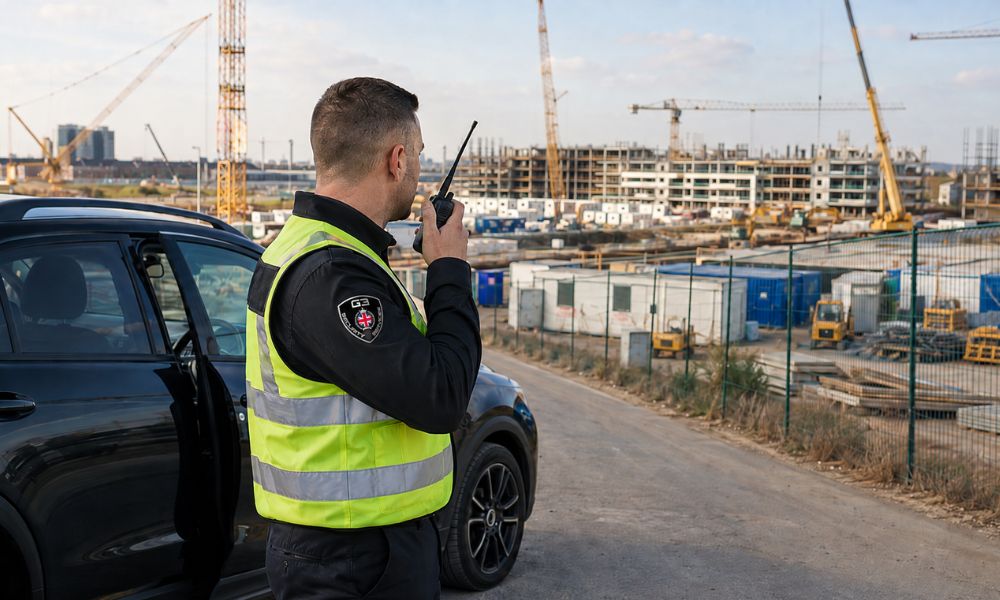
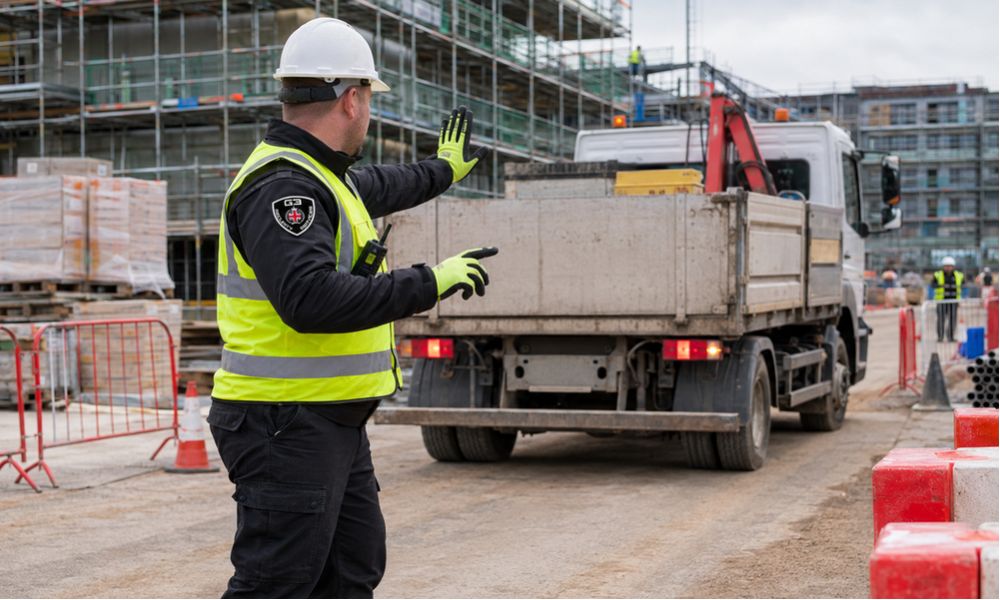
Traffic marshals play a crucial role in maintaining the safe flow of traffic at designated sites, typically within construction zones. Their multifaceted responsibilities make them indispensable members of construction teams, adept at preventing accidents and ensuring efficient vehicle movement. These professionals are tasked with overseeing traffic control measures, guiding vehicles through designated routes, and communicating effectively with drivers and construction personnel to uphold safety standards. They must possess strong organisational skills to manage traffic flow effectively amidst changing conditions, along with the ability to remain calm and composed in high-pressure situations. The role of a traffic marshal demands a keen attention to detail, quick decision-making capabilities, and a commitment to prioritising safety above all else. If you’re considering a career as a traffic marshal, understanding these responsibilities and skills can help you determine if this path aligns with your interests and capabilities. What is a Traffic Marshal? A traffic marshal is an essential presence at construction sites or venues, ensuring seamless vehicle movement and mitigating the risk of collisions. Whether directing construction vehicles through tight spaces or managing traffic flow at large-scale events, their role is pivotal in maintaining safety and efficiency. Additionally, traffic marshals are instrumental in facilitating parking arrangements for event attendees and managing congestion in densely populated areas such as hotels, theme parks, and general car parks. Regardless of the setting, traffic marshals utilise a combination of hand signals and specialised equipment to guide vehicles safely. This position may fall under the purview of an external security provider or be integrated into the operations of events organisations or construction firms. While the core responsibilities remain consistent across different settings, there may be variations in duties based on the specific context.Traffic marshal responsibilities include. Safely Guiding Vehicles to a Destination Ensuring the safe navigation of vehicles to their designated destinations is the primary responsibility of traffic marshals. Whether guiding a heavy-duty dump truck through a construction site to deliver essential materials or directing attendees to available parking spots at bustling events, their expertise in managing traffic flow is indispensable. Traffic marshals possess a thorough understanding of the area’s layout and parking capacity, enabling them to make informed decisions on how best to route vehicles to their intended locations, thereby minimising congestion and potential hazards. With keen observational skills and the ability to adapt to changing circumstances, traffic marshals play a vital role in maintaining order and safety amidst the dynamic environments of construction sites and large-scale events. Through effective communication and strategic positioning, they facilitate the smooth movement of vehicles, ensuring seamless operations and a positive experience for all involved. Checking for Obstructions An essential aspect of directing vehicles safely involves personally inspecting the route for potential obstructions or hazards. This may include communicating with other staff members via radio for updates on the route’s condition or physically traversing the path to assess its suitability. The frequency of these checks varies depending on the length of the journey, but traffic marshals often accompany vehicles during transit to guarantee a secure passage. Their role extends beyond vehicle guidance, encompassing the responsibility to clear any obstructions or address issues along the route that could jeopardise safety for both vehicles and pedestrians. By proactively identifying and mitigating risks, traffic marshals play a critical role in maintaining a safe and efficient traffic flow. Through meticulous route inspection and effective communication, they ensure that vehicles can navigate the area without encountering obstacles, contributing to the overall safety and success of the operation. Providing Customer Service In addition to managing traffic flow, traffic marshals play a vital role in providing excellent customer service at event venues. As attendees arrive, these marshals prioritise ensuring their comfort and satisfaction by adopting a friendly and approachable demeanour while giving parking directions. Recognizing that they may be the attendees’ initial point of contact, traffic marshals communicate parking instructions clearly and courteously, addressing any inquiries to enhance the overall experience. By efficiently directing attendees to suitable parking spaces, traffic marshals not only save them time and alleviate stress but also contribute positively to their overall enjoyment of the event. Through attentive customer service and effective communication, traffic marshals create a welcoming atmosphere for attendees, setting a positive tone for their experience from the moment they arrive. Their ability to navigate parking logistics smoothly and assist attendees with any concerns reinforces the venue’s reputation for exceptional service, fostering a sense of satisfaction and ease among event-goers. Patrol Parking Areas In certain instances, traffic marshals, especially those overseeing large-scale events, conduct regular patrols of parking areas to offer assistance to attendees and ensure adherence to parking guidelines. This proactive approach may also involve monitoring for unauthorised individuals, depending on the security aspect of the role. Should a vehicle be parked improperly, hindering the parking process for others, marshals take the initiative to inform the driver and rectify the situation. Additionally, they may conduct pre-event patrols to assess available parking capacity and devise an effective parking plan to efficiently guide guests to designated spaces. By actively patrolling parking areas, traffic marshals demonstrate their commitment to maintaining order and facilitating a seamless parking experience for event attendees. Their presence serves to address any parking-related issues promptly, enhancing overall safety and convenience. Through careful monitoring and strategic planning, marshals ensure that parking arrangements align with the event’s needs, contributing to a smooth and enjoyable experience for all participants. Preserve the Pedestrian Routes In addition to managing vehicular traffic, traffic marshals play a crucial role in preserving pedestrian routes within the site. This entails ensuring that construction personnel and other staff have unobstructed pathways to access the site safely without impeding vehicle flow. By striking a balance between different types of traffic, traffic marshals facilitate smooth operations, particularly considering the slower pace of construction vehicles and the need for pedestrian access routes to prevent delays. This proactive approach not only enhances safety but also contributes to a positive experience for attendees at large-scale events, enabling seamless movement throughout the venue. Through diligent monitoring and

What is A Static Security Guard? Importance Of Static Security

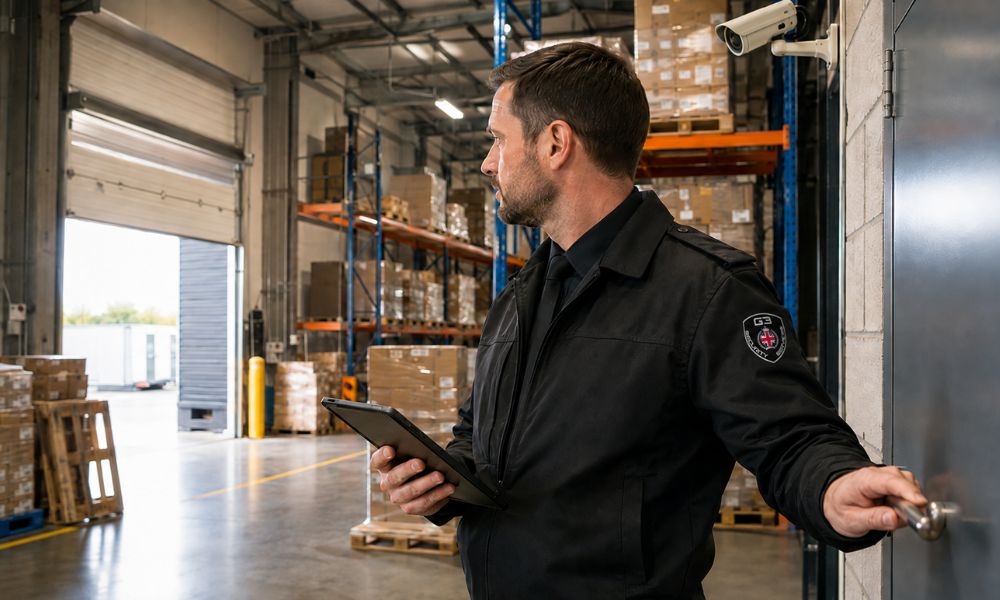
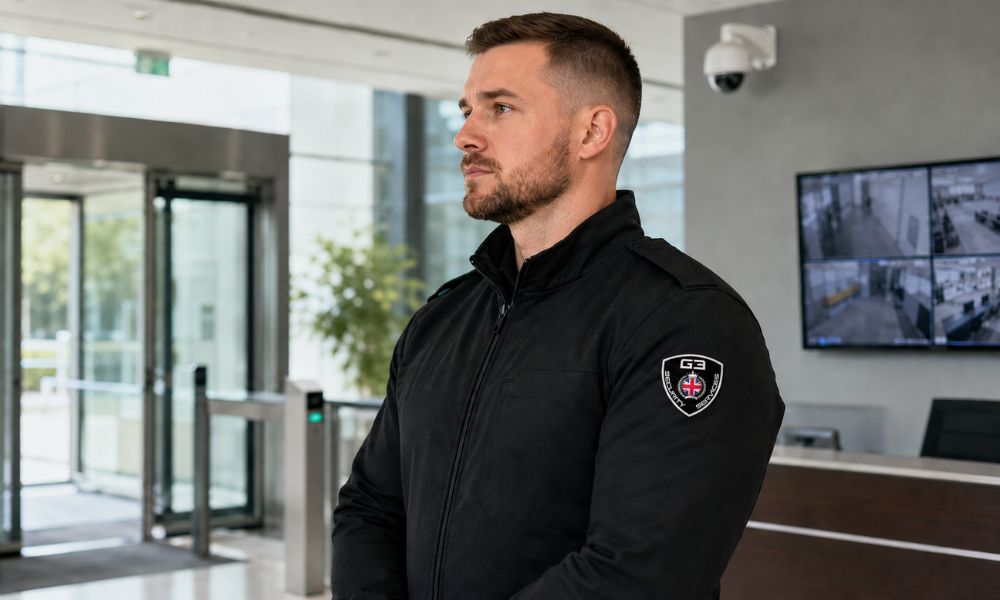
Introduction In today’s rapidly changing world, security has become a paramount concern for individuals, businesses, and institutions alike. Whether it’s protecting property, preventing theft, or maintaining a safe environment, security measures are crucial to maintain order and tranquillity. Among various security solutions, a static security guard stands tall as a dependable and essential aspect of modern security services. In this blog, we will explore what a static security guard is and delve into the significance they hold in safeguarding assets and maintaining safety. Understanding a Static Security Guard A static security guard, also known as a stationary security officer, is a professional responsible for protecting a specific location, such as a residential area, commercial building, retail store, or industrial facility. Unlike mobile security personnel who patrol different areas, static guards remain stationed at one location for an extended period. These guards are often uniformed and serve as a visible deterrent to potential criminals. The Role of a Static Security Guard 1. Property Protection One of the primary responsibilities of a static security guard is to protect property from theft, vandalism, and other security breaches. Their mere presence can discourage criminals from attempting unlawful activities, as they are aware that a security professional is watching over the premises. 2. Access Control Static guards manage access points, ensuring that only authorised personnel enter the premises. By diligently monitoring individuals’ entry and exit, they prevent unauthorised access, reducing the risk of security incidents. 3. Surveillance Utilising advanced surveillance equipment, static guards closely monitor the surroundings, identifying any suspicious activities or potential threats. This proactive approach allows them to take immediate action before situations escalate. 4. Emergency Response In case of emergencies such as fire outbreaks or medical incidents, static security guards are trained to respond swiftly, providing crucial assistance until emergency services arrive. 5. Customer Service Static guards not only focus on security but also offer a friendly and approachable face to visitors and employees. They can provide directions, answer inquiries, and offer assistance, creating a positive and safe environment. The Importance of Static Security 1. Crime Deterrence A static security guard acts as a powerful deterrent against criminal activities. Criminals are less likely to target premises with visible security personnel, reducing the chances of burglary, theft, and other crimes. 2. Asset Protection For businesses and institutions, protecting valuable assets is of utmost importance. A static guard helps safeguard equipment, inventory, and sensitive information, preventing financial losses and potential disruptions to operations. 3. Enhanced Safety The presence of a static security guard promotes a sense of safety and well-being among residents, employees, and visitors. This feeling of security fosters a positive environment and boosts productivity and morale. 4. Quick Response Time With a static guard on-site, response time to security incidents is significantly reduced. They can quickly assess and address any potential threats, minimising damages and risks to life and property. 5. Customised Security Solutions Static security guards can be trained to cater to specific security needs, tailoring their approach based on the unique requirements of the location they are stationed at. Conclusion In conclusion, a static security guard plays a pivotal role in ensuring the safety and security of various establishments. Their vigilant presence deters criminals, protects assets, and provides peace of mind to residents, employees, and visitors. From preventing unauthorised access to responding to emergencies, static security guards are a reliable and indispensable aspect of modern security services. To maintain a secure environment and protect valuable assets, investing in the services of a static security guard from a reputable security company is a prudent choice for individuals and businesses alike. For top-notch security solutions, get in touch with us today to discuss your specific needs and create a tailored security plan that meets your requirements. Your safety is our priority, and we are committed to providing professional and effective security services to safeguard what matters most to you.

What Should Be Included in A Construction Site Security Plan?

Introduction Construction sites are valuable assets containing expensive equipment, materials, and machinery. However, they are also susceptible to theft, vandalism, and accidents, making security a critical aspect of any construction project. A well-developed construction site security plan is essential to protect assets, ensure worker safety, and maintain project continuity. In this blog, we will explore the key elements that should be included in a comprehensive construction site security plan. 1. Risk Assessment The foundation of a robust construction site security plan is a thorough risk assessment. Identify potential security threats, vulnerabilities, and weaknesses unique to the site. Assess factors like location, local crime rates, historical incidents, and the value of assets present. This evaluation will serve as the basis for tailoring specific security measures to the construction site’s needs. 2. Perimeter Security Creating a secure perimeter is the first line of defence for any construction site. Install fencing around the site to restrict unauthorised access. Consider using robust fencing materials like chain-link topped with barbed wire or even anti-climb fencing. Implement access control points equipped with security personnel or access card systems to manage and monitor site entry. 3. Video Surveillance Modern construction site security plans incorporate advanced video surveillance systems. Strategically place high-resolution CCTV cameras throughout the site, covering key areas such as entry points, storage yards, and equipment storage. These cameras act both as deterrents and valuable tools for identifying any security breaches or incidents. 4. Security Lighting Proper illumination is a cost-effective security measure. Install bright lighting around the site, especially at entry points and dark corners. Well-lit areas discourage intruders and provide a safer working environment for employees during low-light conditions. 5. Alarms and Intrusion Detection Deploying alarm systems with intrusion detection capabilities is crucial for immediate notification of potential security breaches. Consider motion sensors, glass-break sensors, and perimeter alarms that trigger an alert in case of unauthorised entry. Connect these systems to a central monitoring station or the local authorities for swift action. 6. Access Control and Key Management Maintaining strict access control is vital to prevent unauthorised personnel from entering sensitive areas. Implement a key management system to ensure that only authorised personnel can access specific areas or equipment. Regularly update access credentials to minimise the risk of lost or stolen keys compromising security. 7. Security Personnel Having trained security personnel on-site enhances the overall security posture. Security guards can conduct regular patrols, monitor surveillance feeds, and respond swiftly to potential security threats. Their presence alone can deter criminal activity and provide a sense of security to construction workers. 8. Security Policies and Training Develop clear and comprehensive security policies for all personnel working on the construction site. Conduct regular training sessions to educate workers about security protocols, emergency procedures, and the importance of maintaining a secure work environment. 9. Emergency Response Plan Incorporate an emergency response plan into the security strategy. This plan should outline procedures for handling various emergencies, including accidents, natural disasters, or security breaches. Conduct drills to ensure that all personnel are familiar with the protocols. Conclusion A well-structured construction site security plan is essential for safeguarding valuable assets, maintaining project continuity, and ensuring the safety of workers. By partnering with a reliable security company, construction site managers can conduct a thorough risk assessment and implement a combination of physical, technological, and procedural security measures to significantly reduce security risks. Taking a holistic approach to construction site security not only protects against potential threats but also fosters a productive and secure work environment. If you need expert guidance in developing a comprehensive construction site security plan, please don’t hesitate to contact us today. Our experienced team is dedicated to tailoring effective security solutions to meet your specific project needs.

Concierge Security Risks And How To Handle Them 

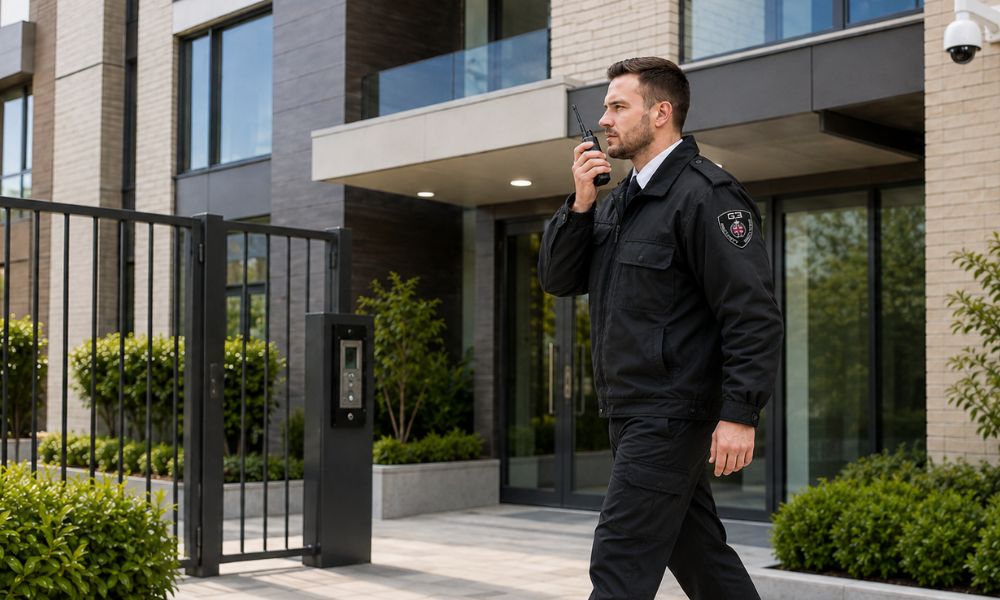
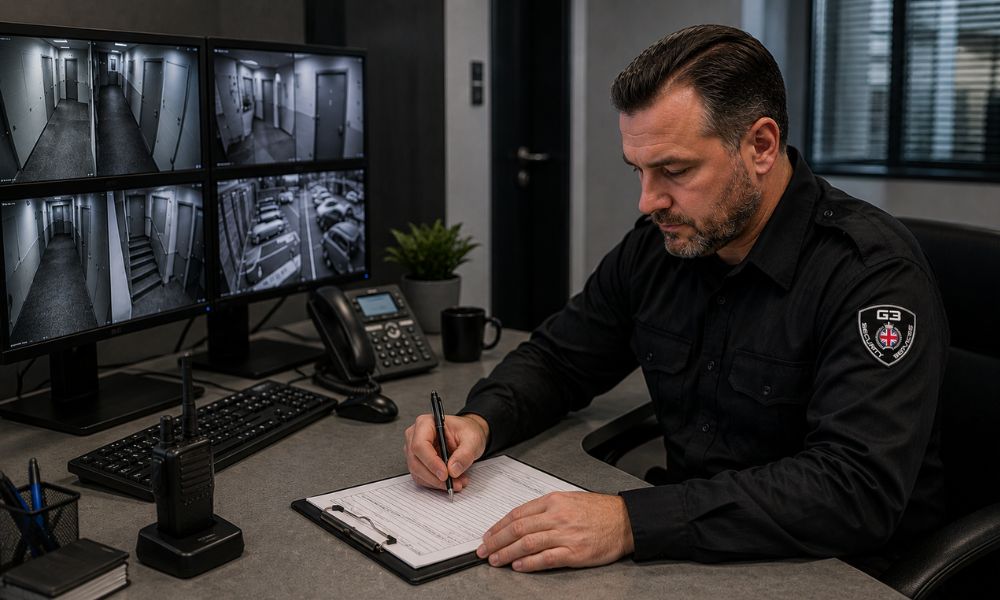
In an increasingly interconnected world, the demand for concierge services has grown significantly. These services range from luxury hotel concierges helping clients to corporate concierges providing administrative assistance to employees. While concierge services offer convenience and personalization, they also bring a set of security risks that need to be addressed.  Concierge Security has rapidly emerged as a high-demand security service, staffed by a dedicated team of security specialists committed to offering tailored concierge services. Whether you are a property manager or a business owner, integrating our G3 security concierge services into your property or office can be a valuable addition. In addition to their primary front desk security duties, these versatile security experts excel at extending a friendly reception, managing packages, and enforcing your safety and security protocols.  Concierge Security: The Front Line of Defense Concierge security is a specialised form of security service that focuses on providing a high level of protection and customer service simultaneously. It is often the front line of defence against various security threats in multiple settings, including residential buildings, hotels, corporate offices, and event venues. Concierge security personnel are responsible for controlling access to a facility or property. They verify the identity of individuals seeking entry and ensure that only authorised personnel or guests are allowed in. This helps prevent unauthorised access and intrusions.  G3 Concierge security may monitor security cameras and perform regular patrols to detect suspicious activity or security breaches. Our professionals are trained to recognize potential threats and respond accordingly. Concierge security personnel are trained to identify and assess potential security threats, such as suspicious individuals, unattended bags, or unusual behaviour. They can take appropriate actions, including alerting law enforcement if necessary.  Understanding Concierge Security Risks Concierge Security Services involve security personnel or companies that go above and beyond standard security measures to offer tailored protection. While concierge security can be highly effective in addressing specific security concerns, it also comes with risks and challenges.  Data Privacy Concerns: Protect Your Client Data Concierge services often require access to sensitive and personal information to provide tailored assistance. This could include personal details, travel itineraries, preferences, and more. Mishandling or exposing this information can lead to privacy breaches, identity theft, or fraud.  Implement strict data protection measures, including encryption, access controls, and regular security audits. Ensure your concierge service provider follows stringent data protection guidelines and regulations like the General Data Protection Regulation to protect your client’s personal information.  Physical Security Risks: Implement Security Protocols Concierge staff may be stationed in various locations, including hotels, corporate offices, or residential buildings. This can expose them to physical security threats like theft, vandalism, or even personal harm.  Implement security protocols and training for concierge staff to identify and respond to security threats. Ensure that they have access to security personnel or resources when needed. Install surveillance cameras and secure entry points in concierge areas to deter potential threats.  Social Engineering: Verify Validity Of Client’s Request Concierge personnel often interact with various people, including guests, clients, and service providers. This makes them vulnerable to social engineering attacks, where malicious individuals manipulate them to divulge sensitive information or provide unauthorised access. Train your concierge staff to recognize common social engineering tactics and emphasise the importance of verifying identities and information before assisting. Develop clear procedures for verifying the legitimacy of requests. Reputation Risks: Address Security Incidents Quickly Concierge services rely heavily on their reputation for trust and quality service. A security incident, be it a privacy breach or a physical security issue, can damage the reputation of the service provider. Develop a comprehensive crisis management plan to address security incidents promptly and effectively. Communicate transparently with clients, taking responsibility and implementing corrective actions to regain trust.  Technological Advancements: Stay Up-to-date As technology evolves, so do security risks. Introducing new software, mobile apps, and smart devices may open up vulnerabilities that criminals can exploit. Failure to adapt and secure these technological advancements can result in breaches.  Stay vigilant and up-to-date with the latest technological developments. Conduct regular security assessments to identify potential weaknesses in your technology infrastructure. Invest in cutting-edge security solutions to protect against emerging threats.  Insider Threats: Access Control Is The Key To Discourage Threats While concierge staff are generally trusted employees, the potential for insider threats exists. This could involve staff members exploiting their access privileges for personal gain or sharing confidential information with unauthorised parties.  Develop a robust employee vetting process, which includes background checks and reference verification. Additionally, implement access controls to limit the information and resources accessible to each staff member based on their role. Encourage a culture of integrity and ethical behaviour within your concierge team.  Unforeseen Natural Disasters: Proper Management Plan G3 Concierge services often operate in various locations, each with unique natural disaster risks, be it earthquakes, hurricanes, or floods. Failing to prepare for these unforeseen events can disrupt services and compromise the safety of both staff and clients.  Create a comprehensive disaster preparedness plan that includes evacuation procedures, emergency contact lists, and provisions for essential supplies. Conduct regular drills to ensure staff are well-prepared to respond to these situations effectively.  End Verdict Concierge services offer numerous benefits, but they also come with security risks that should be addressed. To handle these risks effectively, it’s essential to implement robust security measures, conduct regular training, and be proactive in addressing potential threats. By doing so, you can ensure that your concierge services not only provide exceptional assistance but also maintain the trust and safety of your clients. Remember, security is not just an option but a necessity in concierge services. Our G3 company with a solid reputation has a proven track record in providing concierge security services. Our company Experience translates to expertise and reliability. G3 security company offer 24/7 support and is responsive to your needs. In the event of an emergency, our company is readily available to assist.

Hiring The Right Company to Provide Security for a Special Event

Hosting a special event can be a thrilling experience, and when hosting an event, it is your foremost duty to ensure the well-being of our guests. Ensuring the safety and security of your guests and the event itself is paramount. The planning and executing a special event, whether a grand gala, a high-profile corporate gathering, a music festival, or any other occasion, demands meticulous attention to detail. While event organisers focus on creating memorable experiences for their attendees, they must also prioritise the safety and security of everyone involved. This is where the critical decision of hiring the right security company comes into play.  Ensuring the safety and well-being of event guests, staff, and assets is paramount, and choosing the right security company to provide protection is an essential part of the event-planning process. The success of your special event hinges not only on its entertainment value but also on how effectively potential security threats are mitigated. Our G3 company helps you to have a planned and organised event with a peace of mind. Why Event Security is Critical?  Event security is a critical element in the planning and execution of any special event. It serves as a safeguard against potential threats, ensures safety, and ultimately contributes to the success and positive reputation of the event. By prioritising event security, organisers can create an environment where attendees can enjoy themselves without undue concern for their safety. Here are some key reasons why event security is crucial:  Attendee Safety: Safety And Well-Being Of Your Guests  The primary and most crucial reason for event security is the safety of event attendees. Large gatherings can be targets for various security threats, including criminal activities, terrorism, medical emergencies, and crowd-related incidents. A well-prepared security team can help prevent, respond to, and manage these situations to protect attendees from harm.  Ensuring attendee safety is a paramount responsibility of the event security team. It is essential to verify the identity and credentials of all individuals entering the event, using ticket checks, ID verifications, and bag inspections as necessary. Crowd Control: Prevent Overcrowding To Provide Secure Environment To Your Guests Events often draw diverse and sometimes massive crowds. Proper security measures help maintain order, prevent overcrowding, and manage crowd movements. Effective crowd control ensures attendees enjoy the event in a safe and organised environment.  Crowd control at an event is a critical aspect of ensuring the safety and comfort of attendees. Our G3 company conducts a thorough risk assessment to understand potential crowd-related issues specific to your event. It is necessary to develop a comprehensive crowd management plan that addresses crowd flow, entry and exit points, and potential bottlenecks. Asset Protection: Protect Your Place From Theft, Vandalism, and Damage  Special events often involve valuable assets, equipment, and infrastructure that need protection. Security personnel can safeguard these assets from theft, vandalism, or damage, which can impact the event’s success and financial viability. The event security team plays a significant role in ensuring the security and protection of these assets. The security company creates a comprehensive inventory of all assets that will be used, including equipment, technology, merchandise, and any other valuable items before an event. Reputation Management: Your Image Enhancement  The success of an event can significantly affect an organisation’s or individual’s reputation. A security incident can tarnish that reputation, causing long-term damage. A professional security team can help protect your image by reducing the likelihood of security breaches and providing a rapid response when issues arise.  Security personnel should be trained in conflict resolution and de-escalation techniques to handle difficult situations peacefully, minimising the risk of negative incidents that could damage the event’s reputation. Emergency Response: Minimising Damage  From medical emergencies to natural disasters, events can face various unexpected crises. Security personnel are trained to respond to emergencies quickly and efficiently, potentially saving lives and minimising damage.  The event security team should respond quickly and effectively to any incidents, ensuring that attendees feel safe and supported. Peace of Mind: Safety Confidence  Knowing that a competent security team is in place can provide peace of mind for event organisers and attendees. This confidence allows everyone to focus on enjoying the event contributing to its success.  The event security team plays a critical role in ensuring that attendees, event organisers, and stakeholders can focus on enjoying the event without worrying about their safety and security. Peace of mind is a valuable outcome of effective security measures and professional security personnel. Tips For Hiring An Event Security Team When planning a special event, the safety and security of all participants should be a top priority. Ensuring your event runs smoothly without incident requires careful consideration when hiring an event security team. From preventing potential threats to managing unforeseen challenges, a skilled and professional security team is the cornerstone of a successful event. Here are some considerations while hiring a company for the security of your event:  Do Your Research On Event Security Company: Before making any decisions, it’s crucial to invest time and effort in researching potential event security companies. Begin by assessing the expertise and experience of each security company under consideration. Look for the security company with a proven track record in providing security services for events similar in scale and nature to yours. They should have experience in managing the specific challenges that your event might present.  Select A Company With The Proper Experience: Research the reputation of each security company. Look for online reviews, client testimonials, and references. Word of mouth and feedback from others who have worked with them can provide valuable insights into their reliability, professionalism, and the quality of their services.  Ensure the security company holds all licences and certifications required by local and state regulations. A licensed security firm is more likely to meet the legal and ethical standards essential to provide adequate security services. Work With A Team Who Understands The Venue: One of the critical factors in ensuring adequate event security is selecting a security team that thoroughly understands

The Importance of Security Guards in the Retail Industry

In the dynamic landscape of the retail industry, where consumer interactions and transactions occur on a daily basis, the significance of security cannot be overstated. Retailers face various challenges, from theft and vandalism to ensuring the safety of customers and employees. This is where security services play a crucial role in safeguarding the retail environment. Let’s delve into the multifaceted importance of security guards in the retail sector. The dynamic nature of these challenges requires a proactive and adaptive security approach. By staying at the forefront of industry trends, G3 Security Services ensures that its security guards are well-equipped to address the diverse and evolving security needs of the modern retail landscape. In this blog, we witness the paramount importance of retail security, underscoring the indispensable role played by security personnel, especially those provided by G3 Security Services, in ensuring a safe and thriving retail environment. Enhancing Customer Safety and Experience Security guards contribute significantly to enhancing customer safety and experience within retail spaces. By maintaining a visible presence, security guards deter potential wrongdoers and create a secure environment for shoppers. This sense of safety fosters a positive shopping experience, encouraging customers to spend more time in the store and return for future visits. G3 Security Services understands the delicate balance between security and a welcoming atmosphere, ensuring that customers feel both safe and valued. Preventing Theft and Reducing Shrinkage One of the primary concerns for retailers is the loss of inventory due to theft, shoplifting, or employee dishonesty. G3 Security Services addresses this concern by implementing proactive measures to prevent theft and reduce shrinkage. Security guards are trained to identify suspicious behavior, monitor surveillance systems, and conduct thorough bag checks when necessary. By having a Security guard on-site, retailers can significantly minimize the financial impact of theft, safeguarding their bottom line. Mitigating Risks and Responding to Incidents Retail environments are susceptible to various risks, including emergencies, disturbances, or criminal activities. G3 Security Services equips its guards with the necessary training to respond promptly and effectively to any incidents that may arise. From managing unruly customers to coordinating with law enforcement during emergencies, security guards act as the first line of defense. This proactive approach not only safeguards the retail space but also minimizes potential damage and liability. Securing High-Value Assets and Information Certain retail establishments deal with high-value merchandise or sensitive information, making them attractive targets for theft or corporate espionage. G3 Security Services understands the importance of securing these assets and takes a strategic approach to protect them. Security guards are trained to implement access control measures, monitor surveillance systems, and conduct thorough inspections, ensuring that valuable assets and information remain safeguarded at all times. Monitoring The Shop Floor One key responsibility of security personnel in the retail industry is monitoring the shop floor. This involves actively patrolling the premises, keeping an eye on customer behavior, and identifying any unusual or suspicious activities. G3 Security Services emphasizes the importance of vigilant shop floor monitoring to deter theft and maintain a secure shopping environment. The proactive monitoring conducted by G3 Security Services goes beyond mere observation. Security personnel are trained to engage with customers in a courteous and non-intrusive manner, enhancing the overall shopping experience. Keeping The Retail Environment Safe Security personnel are responsible for keeping the overall retail environment safe. This includes implementing access control measures, conducting regular security checks, and collaborating with store management to address any potential security vulnerabilities. The goal is to create a safe and secure atmosphere for both customers and employees. By staying proactive in identifying and mitigating potential security vulnerabilities, G3 Security Services ensures that the retail environment remains resilient against emerging threats, providing a heightened level of safety for all stakeholders involved. Dealing With Any Problem That Arises Security personnel are trained to handle a variety of situations that may arise in a retail setting. This could range from addressing customer concerns and disputes to managing emergencies or security breaches. The ability to respond swiftly and effectively to any problem is a hallmark of G3 Security Services, ensuring that the retail environment remains secure and conducive to business operations. By fostering a culture of preparedness and quick thinking, G3 Security Services aims to create a resilient security team capable of adapting to the ever-changing dynamics of the retail environment. Our Manned Security Services For Retail G3 Security Services offers specialized manned security services tailored to the unique needs of the retail industry. Our trained security personnel are equipped to handle the specific challenges faced by retailers, providing a comprehensive security solution. From preventing theft to responding to incidents, our manned security services are designed to enhance the overall security posture of retail establishments. Conclusion In conclusion, the role of security personnel is integral to the success of the retail industry. From monitoring the shop floor to dealing with any problems that arise, security guards contribute significantly to the safety, security, and positive experience of customers and employees alike. Choose G3 Security Services as your trusted partner in retail security – we are committed to delivering excellence in manned security services tailored to the unique needs of the retail sector. Our commitment extends beyond traditional security measures, incorporating cutting-edge technologies and continuous training to stay ahead of evolving threats. With G3 Security Services, your retail establishment gains a reliable partner committed to enhancing overall safety and seamlessly integrating security solutions into your business operations. Elevate your retail security standards with G3 – where safety meets innovation.

Why Construction Sites Are Prone to Theft

Construction sites, often located in less populated areas, face challenges related to limited natural surveillance, creating an environment where criminal activities can go unnoticed. The transient nature of these sites, characterised by constant changes and construction phases, further complicates security arrangements. The rapid pace of construction projects may lead to security being overlooked, making sites appear as easy targets for opportunistic thieves. As we examine the risks of data and information theft, it becomes evident that beyond physical assets, sensitive project information can be a lucrative target, emphasising the need for a comprehensive security approach that addresses both physical and digital vulnerabilities. The Transient Nature of Construction Sites The dynamic and evolving nature of construction sites presents a continuous challenge for security planning. With structures in various phases of completion, there are frequent changes in access points and vulnerabilities. This fluidity can be exploited by criminals, making it imperative for security measures to adapt in real-time. Additionally, the temporary nature of construction sites may result in a lack of established relationships with local law enforcement, hindering rapid response times. To effectively counter these challenges, G3 Security Services recognizes the importance of strategic security planning that anticipates and mitigates the risks posed by the ever-changing landscape of construction projects. High-Value Equipment and Materials The allure of high-value equipment and materials at construction sites extends beyond opportunistic theft; it can be driven by organised crime with the intention of reselling or repurposing these valuable assets. The economic impact of such thefts can be substantial, causing delays, increased project costs, and potential setbacks for construction companies. G3 Security Services understands the gravity of these challenges and emphasises the role of deterring theft. By employing cutting-edge technology and maintaining a vigilant on-site security presence, construction sites can create a formidable defence against potential economic losses. Limited Natural Surveillance The less populated locations of construction sites compound the challenge of limited natural surveillance, as they may be situated away from the watchful eyes of the public. This isolation provides cover for criminals to operate discreetly. G3 Security Services recognizes the crucial role of modern technology, such as motion sensors and cameras, in compensating for the lack of natural oversight. Moreover, strategic placement of lighting not only acts as a deterrent but also significantly improves visibility during nighttime hours. Our security personnel are trained to leverage these tools effectively, ensuring comprehensive coverage and minimising blind spots to fortify the overall security infrastructure. Construction Sites as Easy Targets In the rush to meet tight project deadlines, security considerations are sometimes relegated to the background, leaving construction sites vulnerable. The perception that these sites are easy targets can attract not only petty thieves but also sophisticated criminal networks seeking valuable opportunities. G3 Security Services advocates for a shift in mindset, urging construction companies to view security as an integral part of project planning rather than a reactive measure. Implementing comprehensive security plans early on not only safeguards against theft but also fosters a secure working environment, promoting worker safety and minimise disruptions that could arise from security incidents. The Role of Professional Security Services Professional security services go beyond mere surveillance, actively participating in risk assessments to identify potential vulnerabilities unique to each construction site. Their training includes not only threat detection but also crisis management, ensuring a swift and coordinated response in case of security incidents. G3 Security Services understands the necessity of a proactive approach, providing not just a presence but a comprehensive security strategy. By collaborating with construction companies, our security personnel become an integral part of the project team, aligning their efforts with the goals of the construction site and fostering a sense of confidence and safety among the workforce. Tailoring Security Solutions to Construction Sites Recognizing the dynamic nature of construction projects, G3 Security Services places a strong emphasis on conducting thorough site-specific risk assessments. These assessments allow us to identify potential vulnerabilities, assess the unique layout and characteristics of each construction site, and tailor security strategies accordingly. By understanding the intricacies of a project, we can implement a nuanced approach that maximises effectiveness and minimises potential weak points. Our commitment to customization extends to not only the security measures themselves but also the deployment of personnel and technology, ensuring a cohesive and harmonised security ecosystem that seamlessly integrates with the specific needs of each construction site. This tailored approach enhances the overall resilience of construction sites against a diverse range of security threats. Conclusion In conclusion, the vulnerability of construction sites to theft underscores the need for proactive and comprehensive security measures. By understanding the specific risks posed by the transient nature of construction projects, the value of on-site assets, and the potential for data theft, industry professionals can implement effective security solutions. G3 Security Services is committed to addressing these challenges, providing tailored security solutions, and partnering with construction companies to create secure environments that foster productivity and protect valuable investments. Our commitment to ongoing collaboration ensures that security measures evolve alongside the changing dynamics of construction projects. G3 Security Services doesn’t just offer solutions; we forge partnerships to instil a culture of security within the construction industry. Recognizing that security is not a one-time effort, we provide continuous support, adapting our strategies to emerging threats and industry advancements. In choosing G3 Security Services, construction companies not only secure their present projects but also fortify themselves against the evolving landscape of security challenges, assuring a resilient and secure future for their valuable investments.

Everything You Need to Know About Event Security

In an age where safety and security are paramount concerns for any event organizer, ensuring that your event is well-protected should be a top priority. Whether you’re hosting a corporate conference, a music festival, or a private gathering, the importance of effective event security cannot be overstated. At G3 Security Services, we understand the critical role that security plays in the success of any event. In an increasingly uncertain world, where unforeseen challenges can arise at any moment, the need for robust event security measures has never been more pressing. At G3 Security Services, we pride ourselves on our commitment to staying ahead of emerging threats and evolving security risks. Our team of highly trained professionals is dedicated to providing proactive and vigilant security solutions that instill confidence and peace of mind in event organizers and attendees alike. In this comprehensive guide, we’ll delve into everything you need to know about event security to help you plan and execute a safe and secure event. 1. Understanding the Importance of Event Security Events can attract large crowds, making them potential targets for various security threats such as theft, and vandalism. Effective event security not only protects attendees and assets but also safeguards the reputation and integrity of the event organizer. By investing in professional security services, event organizers demonstrate their commitment to safety, which can enhance attendee experience and satisfaction. Implementing robust event security measures not only mitigates potential risks but also fosters a sense of trust and confidence among event participants. A safe and secure environment allows attendees to fully immerse themselves in the experience without worry, ultimately contributing to the overall success of the event. Furthermore, proactive security measures can help deter potential threats before they escalate, ensuring smooth operations and minimizing disruptions. 2. Assessing Security Risks Before planning any event, it’s essential to conduct a thorough risk assessment to identify potential security vulnerabilities. Factors such as the type of event, its location, expected attendance, and past incidents should be taken into account when assessing security risks. Collaborating with a reputable security provider like G3 Security Services can help you identify and mitigate potential threats effectively. Understanding the demographics of attendees and any specific concerns related to the event’s theme or purpose is crucial in conducting a comprehensive risk assessment. By analyzing past incidents and gathering intelligence on current security trends, event organizers can proactively address potential vulnerabilities. Moreover, involving security experts from the early stages of event planning allows for tailored security solutions that align with the unique needs and dynamics of the event. 3. Tailoring Security Solutions Every event is unique, and security requirements may vary accordingly. A one-size-fits-all approach to event security is rarely effective. G3 Security Services offers customizable security solutions tailored to the specific needs and challenges of each event. From access control and crowd management to VIP protection and emergency response, our team is equipped to handle diverse security scenarios with professionalism and efficiency. Furthermore, our team conducts thorough site assessments to identify potential vulnerabilities and develop a tailored security plan that addresses specific concerns. By leveraging our extensive experience and expertise in event security, we ensure that every aspect of security is carefully considered and optimized. Whether it’s a high-profile corporate event or a community festival, G3 Security Services remains committed to providing comprehensive security solutions that prioritize safety without compromising the attendee experience. 4. Implementing Security Measures Once security risks have been identified and security solutions tailored, it’s time to implement comprehensive security measures. This may include deploying trained security personnel strategically throughout the venue, implementing bag checks or metal detectors, and establishing communication protocols. G3 Security Services works closely with event organizers to ensure that security measures are implemented seamlessly, without causing inconvenience to attendees. Moreover, our security personnel undergo rigorous training to ensure they are proficient in handling various security scenarios with professionalism and discretion. We also employ advanced technologies and innovative solutions to enhance surveillance and threat detection capabilities, providing an additional layer of security. Additionally, our proactive approach includes continuous monitoring and assessment during the event to adapt security measures as needed and address any emerging threats swiftly and effectively. 5. Leveraging Technology  In today’s digital age, technology plays a crucial role in enhancing event security. These technologies not only improve threat detection and response capabilities but also provide valuable data insights for future security planning. Our integration of technology allows for seamless coordination and communication among security personnel, enabling rapid response to any security incidents. With real-time monitoring capabilities, we can detect and address potential threats before they escalate, ensuring the safety and well-being of event attendees. Additionally, our investment in innovative security solutions reflects our commitment to staying ahead of emerging threats and continuously enhancing our capabilities to meet the evolving needs of our clients. 6. Training and Preparedness The effectiveness of event security depends heavily on the training and preparedness of security personnel. G3 Security Services invests in rigorous training programs to ensure that our security team is well-equipped to handle any security scenario professionally and confidently. From de-escalation techniques to emergency first aid, our security personnel undergo comprehensive training to mitigate risks and protect both people and property. Moreover, our training programs are regularly updated to incorporate the latest security protocols and best practices, ensuring that our team remains at the forefront of the industry. We emphasize a proactive approach to security, equipping our personnel with the skills and knowledge to identify potential threats and take appropriate preventive measures. Additionally, our commitment to ongoing professional development ensures that our security team is adaptable and capable of effectively responding to new and emerging security challenges. 7. Communication and Coordination Effective communication and coordination are essential elements of successful event security operations. G3 Security Services works closely with event organizers, local law enforcement, and other stakeholders to establish clear lines of communication and coordinate response efforts. By fostering collaboration and information sharing, we enhance situational awareness and response capabilities, thereby ensuring a swift and

Why Fire Marshal is Crucial for Workplace Safety

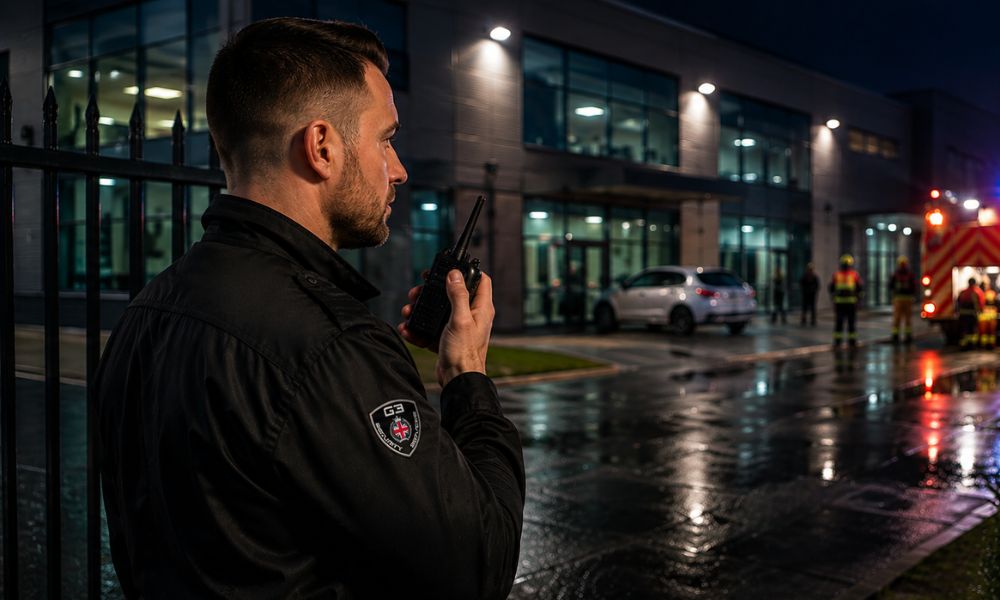
In any workplace, ensuring the safety of employees and visitors is paramount. One critical aspect of workplace safety, often overlooked, is fire safety. Fires can pose a significant threat to both life and property, making it imperative for businesses to have effective fire safety measures in place. One such measure is the appointment of a Fire Marshal, whose role is indispensable in preventing, managing, and mitigating fire-related risks. In addition to their pivotal role in fire prevention and emergency response, Fire Marshals also serve as advocates for continuous improvement in fire safety practices. Their vigilant monitoring of fire hazards and proactive measures contribute to a culture of safety within the workplace. By fostering awareness and adherence to fire safety regulations, Fire Marshals play a crucial role in protecting not only the physical environment but also the well-being and livelihoods of employees and stakeholders. In this blog post, we delve into the importance of Fire Marshals in the UK, their roles, and why every workplace should prioritize their presence. Understanding the Role of a Fire Marshal A Fire Marshal, also known as a Fire Warden, plays a pivotal role in fire safety within the workplace. Their primary responsibility is to assist in the implementation and maintenance of effective fire safety procedures. From conducting regular fire drills to identifying and addressing fire hazards, Fire Marshals are instrumental in minimizing the risk of fires and ensuring swift evacuation in the event of an emergency. Fire Marshals act as liaisons between management and employees, ensuring that everyone is well-informed about fire safety protocols and procedures. They are also responsible for conducting thorough inspections of fire safety equipment and systems to ensure compliance with regulatory standards. With their expertise and attention to detail, Fire Marshals contribute significantly to creating a safe and secure working environment for all. Fire Marshal Responsibilities 1. Fire Prevention Fire Marshals are tasked with identifying potential fire hazards within the workplace and taking proactive measures to eliminate or mitigate them. This includes ensuring that fire exits are clear, fire extinguishers are accessible and in working condition, and electrical appliances are used safely. Fire Marshals collaborate with relevant departments to develop and implement comprehensive fire prevention plans tailored to the specific needs of the workplace. They conduct thorough risk assessments to identify areas of vulnerability and implement strategies to minimize the likelihood of fire incidents. Moreover, Fire Marshals stay updated on emerging fire safety technologies and best practices to continuously enhance the effectiveness of preventive measures. Through their dedication and vigilance, Fire Marshals play a crucial role in safeguarding lives and property from the devastating impact of fires. 2. Emergency Response In the event of a fire, Fire Marshals are responsible for taking immediate action to ensure the safety of all individuals on the premises. This may involve sounding the alarm, assisting with evacuation procedures, and guiding people to designated assembly points. Fire Marshals coordinate closely with emergency services personnel upon their arrival, providing critical information about the location and nature of the fire to facilitate an efficient response. They also assist in conducting headcounts to ensure that all individuals have safely evacuated the premises and identify any individuals who may require assistance. Additionally, Fire Marshals remain calm under pressure, providing reassurance and guidance to others during potentially chaotic situations, thereby helping to minimize panic and ensure orderly evacuation procedures. 3. Training and Education Fire Marshals play a crucial role in educating employees about fire safety procedures and protocols. They conduct regular training sessions, drills, and workshops to ensure that everyone is familiar with evacuation routes, emergency exits, and the proper use of fire-fighting equipment. Fire Marshals tailor training programs to address specific risks and challenges inherent to the workplace, ensuring that employees are well-equipped to respond effectively to any fire-related emergency. They also provide ongoing support and guidance to employees, answering questions, addressing concerns, and reinforcing key safety principles. Additionally, Fire Marshals collaborate with management to develop comprehensive emergency response plans that encompass various scenarios, empowering employees to act decisively and confidently in the face of adversity. Through their dedication to education and preparedness, Fire Marshals empower individuals at all levels to contribute to a culture of safety and resilience within the organization. 4. Communication Effective communication is essential during a fire emergency. Fire Marshals serve as liaisons between employees, management, and emergency services, relaying vital information and coordinating evacuation efforts to minimize chaos and confusion. Fire Marshals utilize various communication channels, such as walkie-talkies, and digital messaging platforms, to disseminate timely updates and instructions to all stakeholders. They also maintain accurate records of communication exchanges and incident reports to facilitate post-event debriefings and continuous improvement efforts. Additionally, Fire Marshals foster a culture of open communication and collaboration, encouraging feedback from employees and stakeholders to identify areas for improvement in emergency response protocols and communication strategies. Through their proactive approach to communication, Fire Marshals help mitigate risks and ensure a coordinated and effective response to fire emergencies. How Many Fire Marshals Should Be in a Workplace? The number of Fire Marshals required in a workplace depends on several factors, including the size and layout of the premises, the number of employees, and the level of fire risk. As a general guideline, it is recommended to have at least one Fire Marshal for every floor or department, with additional Marshals appointed for larger or high-risk areas. This ensures adequate coverage and swift response in the event of a fire. Furthermore, it’s crucial to consider the complexity of the workplace environment and the specific hazards present when determining the number of Fire Marshals needed. High-risk industries or environments with hazardous materials may require a higher ratio of Fire Marshals to ensure comprehensive coverage and effective emergency response. Regular reassessment of fire safety protocols and staffing levels is essential to adapt to changes in the workplace environment and ensure ongoing compliance with regulatory requirements. By carefully evaluating these factors, businesses can optimize their fire safety measures and minimize the potential impact of fire

Construction Site Security Checklist: The Ultimate Guide

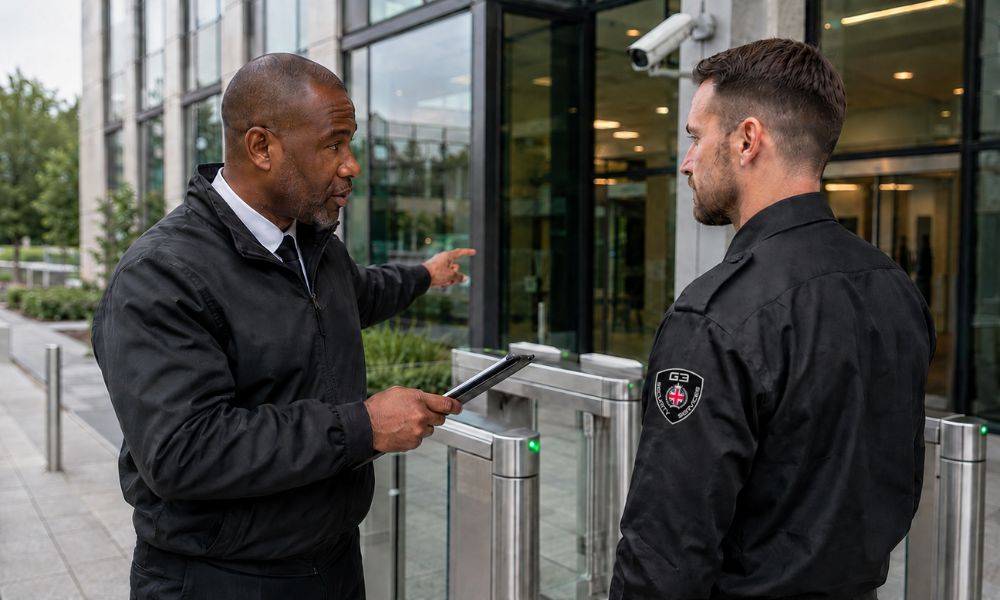
Introduction Construction sites are dynamic environments where valuable assets, equipment, and materials are frequently left unattended, making them susceptible to theft, vandalism, and unauthorised access. To ensure comprehensive security, it’s essential to conduct a thorough risk assessment tailored to the specific site, identifying vulnerabilities and potential threats. By implementing a strategic combination of physical barriers, security personnel, and access control measures, construction site managers can effectively mitigate risks and safeguard both assets and personnel. In today’s fast-paced construction industry, maintaining the security of worksites is paramount to project success and worker safety. With advancements in technology and the increasing sophistication of security threats, staying ahead requires a proactive and multifaceted approach. By prioritising security measures and adopting best practices, construction site managers can create a secure environment conducive to productivity and peace of mind for all stakeholders involved. 1. Conduct a Thorough Risk Assessment Construction site security begins with a meticulous examination of potential risks and vulnerabilities unique to the site. Assessing factors such as access points, perimeter integrity, lighting conditions, and surrounding terrain provides valuable insights into areas requiring heightened security measures. By analysing past incidents and local crime rates, construction site managers can accurately gauge the level of risk and tailor security protocols accordingly. Furthermore, engaging with local law enforcement agencies and security experts can offer invaluable guidance and expertise in identifying potential security threats specific to the construction site’s location. Collaborative risk assessments allow for a comprehensive understanding of the site’s security needs, enabling the implementation of targeted and effective security solutions. Additionally, involving key stakeholders such as project managers, contractors, and subcontractors fosters a collective commitment to prioritising security measures throughout the construction process. 2. Implement Physical Barriers Erecting robust perimeter fencing around the construction site serves as a primary deterrent against unauthorised access. Reinforced with secure locks and access control systems, these barriers effectively restrict entry to authorised personnel only. Additionally, the strategic placement of concrete barriers or bollards helps prevent vehicle intrusion into sensitive areas, further bolstering site security. Integrating technological innovations such as electrified fencing or sensor-based alarm systems can provide an added layer of security, alerting personnel to any attempted breaches in real-time. Regular inspections and maintenance of physical barriers ensure their continued effectiveness in deterring unauthorised access and protecting valuable assets. Collaborating with security specialists during the design and implementation phases ensures that physical barriers are tailored to address specific security concerns and comply with industry regulations and standards. 3. Employ Security Personnel Trained and licensed security guards play a vital role in maintaining construction site security, providing a visible deterrent to potential intruders and unauthorised personnel. With expertise in construction site security protocols, these professionals ensure 24/7 coverage, including night shifts and weekends. Equipped with communication devices and reflective vests, security personnel uphold safety standards and promptly respond to security incidents as they arise. Security personnel can conduct regular patrols of the construction site, identifying and addressing any security vulnerabilities or breaches promptly. Collaborating with local law enforcement agencies ensures a coordinated response in case of security incidents or emergencies, enhancing overall site security. Providing ongoing training and professional development opportunities for security guards ensures they remain updated on the latest security trends and best practices, enhancing their effectiveness in protecting the construction site. 4. Enforce Access Control Measures Establishing stringent access control protocols is essential for regulating the movement of personnel and visitors within the construction site. A robust check-in/check-out procedure ensures accountability, while ID badges or access cards grant authorised individuals controlled entry. Regular audits of access credentials help maintain the integrity of the system, promptly identifying and addressing any discrepancies. Moreover, implementing biometric authentication systems adds an extra layer of security, ensuring that only authorised personnel gain access to restricted areas. Integrating access control measures with time-tracking software allows for accurate monitoring of employee attendance and ensures compliance with work hours. Regular review and updating of access control policies and procedures help adapt to evolving security threats and maintain the effectiveness of the system over time. 5. Secure Equipment and Materials Safeguarding valuable equipment and materials is paramount to prevent theft and loss, requiring proactive measures such as marking items with unique identifiers for easy tracking and identification. Secure storage areas equipped with locking mechanisms provide a safe haven for high-value items when not in use. Additionally, implementing inventory management systems enables efficient monitoring of stock levels and rapid detection of any discrepancies or missing items. Conducting regular inventory audits and inspections ensures that all equipment and materials are accounted for and properly secured. Collaboration with suppliers and subcontractors to establish clear protocols for the handling and storage of materials helps prevent loss or damage during the construction process. Implementing surveillance cameras and motion sensors in storage areas adds an extra layer of security, deterring potential thieves and providing evidence in case of theft or unauthorised access. 6. Enhance Lighting and Visibility Adequate illumination is crucial for deterring criminal activity and enhancing visibility across the construction site, particularly during nighttime hours. Bright LED lighting strategically positioned around key areas such as entry points, storage yards, and equipment zones ensures maximum coverage. Motion-activated lighting further optimises energy efficiency while providing instant illumination in response to movement, enhancing overall security effectiveness. Moreover, utilising timer systems for lighting can create the illusion of activity even during periods of inactivity, further deterring potential intruders. Regular maintenance of lighting fixtures ensures consistent performance and minimises the risk of dark spots within the construction site. Collaborating with lighting specialists can help optimise the placement and configuration of lighting systems to maximise coverage and effectiveness, especially in areas prone to shadows or blind spots. 7. Establish Emergency Protocols Preparedness is key to effectively managing emergencies on construction sites, necessitating the development and communication of clear emergency procedures to all personnel. Installation of emergency call points or panic buttons facilitates immediate assistance in critical situations, ensuring swift response and resolution. Regular drills and training sessions familiarise personnel with emergency protocols, empowering them to act