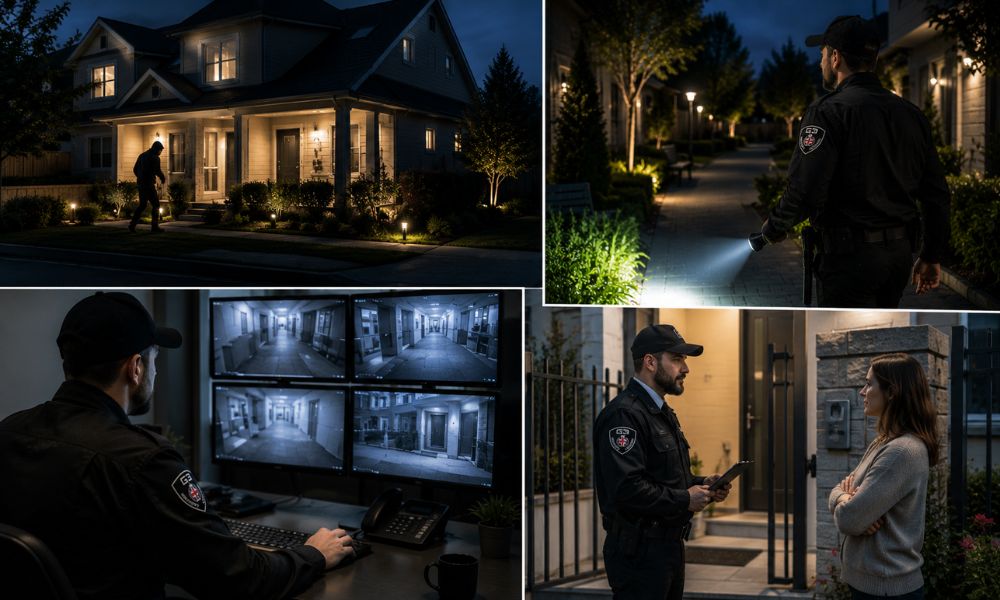

How to Manage Mobile Security Patrols?

Anyone who’s actually run a patrol service knows the truth, buying a patrol vehicle and putting a guard behind the wheel is the easy part. Managing it well,  so that every visit actually adds value instead of becoming a box-ticking drive-by, is where most operations quietly fall short. This guide walks through what security patrols actually are, the strategies that make them effective, and the management practices that separate a patrol service people trust from one that’s just going through the motions. What are Security Patrols? At its core, a security patrol is exactly what it sounds like, a guard or team moving through a site or route to check for problems, deter wrongdoing, and respond if something’s wrong. But that simple description hides a lot of variation. A patrol might mean one officer walking the corridors of an office building at 2am, or it might mean a driver covering fifteen separate sites across a city in a single shift. What ties all of it together is the same underlying idea, a moving presence is harder to predict, and harder to plan around, than a fixed one. That’s what makes patrols useful in situations where static guarding either isn’t practical or isn’t enough on its own. Types of Patrols Foot Patrols Foot patrols are the traditional image most people have of security, an officer walking a set route through a building, a car park, or a campus. They’re well suited to smaller or more contained sites, places with a lot of pedestrian traffic, or areas where a vehicle simply can’t go, like the interior of a warehouse or the upper floors of an office block. The advantage of a foot patrol is proximity. An officer on foot notices things a vehicle would drive straight past, a door that’s not quite latched, a smell of smoke, a window left open on an upper floor. Mobile Patrols Mobile patrols cover ground that foot patrols can’t. A single vehicle-based officer can realistically check multiple sites in one shift, which makes mobile patrols the more cost-effective option for businesses that don’t need, or can’t justify, a dedicated guard on-site around the clock. This is usually where the biggest efficiency gains sit: instead of paying for a static guard at every location, a business can share a patrol officer across several properties, scaling coverage up or down depending on risk and budget. Mobile Patrol Strategies Not all patrols are run the same way, and the strategy matters as much as the patrol itself. Active Patrols Active patrols follow a set schedule, the same route, checked at roughly the same times, every day. The benefit is consistency, every corner of the site gets covered, and nothing gets missed because a route was skipped. The trade-off is predictability, which is why active patrols work best as one layer of a broader strategy rather than the only one. Random Patrols Random patrols deliberately avoid a fixed pattern. Visit times, routes, and duration all vary, which means anyone watching a site to find a gap in coverage never gets a reliable answer. This unpredictability is one of the single biggest deterrents in physical security, criminals plan around routine, and random patrols deny them that. Covert Patrols Covert patrols take unpredictability a step further by removing visible markers altogether, unmarked vehicles, plain-clothes officers, no uniform presence to announce that security is even on-site. These are typically used where visible security might just push a problem elsewhere rather than stop it, such as investigating suspected internal theft or monitoring a specific ongoing issue without tipping anyone off. How to Manage an Effective Security Patrol Service Route Planning and Risk Assessment A patrol route shouldn’t be an afterthought, it should be built around an honest assessment of where the real risks are. That means identifying entry points, blind spots, high-value storage areas, and any part of the site with a history of incidents, then designing a route that actually covers them rather than just looping the perimeter because that’s the obvious path. Risk isn’t static, either. A route that made sense a year ago might be missing a new loading bay, an extended building, or a change in how the site is used. Revisiting the risk assessment periodically, not just setting it once and forgetting it, is what keeps a patrol route relevant. Training A patrol officer’s value comes almost entirely from judgment, and judgment has to be trained. That includes the practical basics, what to check, how to document it, when to escalate, but also the harder-to-teach skills: staying calm under pressure, de-escalating a confrontation, and knowing the legal limits of what a security officer can and can’t do. Training isn’t a one-time induction, either. Refreshers, scenario practice, and updates whenever procedures change are what keep a team sharp rather than just qualified on paper. Performance If patrols aren’t being measured, they’re essentially running on trust alone, and trust isn’t a management system. Response times, the thoroughness of each visit, the quality of incident reporting, and how consistently routes are actually completed (rather than shortened) all need to be tracked. Without that visibility, it’s impossible to tell a genuinely strong patrol officer from one who’s simply never been caught cutting corners. Continuous Improvement The best patrol operations treat every incident, and every near-miss, as information. A break-in that wasn’t caught in time, a blind spot a random patrol happened to expose, a route that took longer than expected: all of it should feed back into how routes, timing, and training get adjusted. A patrol service that looks identical to how it operated two years ago probably isn’t improving; it’s just repeating. Common Patrol Management Mistakes A few mistakes show up again and again in patrol operations that underperform: Predictable routes and timing, if a patrol arrives at the same spot at the same time every night, it stops being a deterrent and starts being a schedule an intruder can work around. No verification of actual presence, assuming a patrol happened

How Mobile Security Patrols Deter Crime and Improve Safety

Protecting a business isn’t always as simple as placing a security guard at the entrance. Many commercial properties have multiple access points, large outdoor areas, or remain empty outside working hours, making them difficult to monitor with static security alone. This is where mobile security patrols make a real difference. By carrying out scheduled and random inspections, trained security officers help reduce the risk of theft, vandalism, trespassing, and other security incidents while providing a visible security presence across your premises. Why Mobile Security Patrols are Effective Mobile patrols work differently from static guarding. Instead of monitoring a single location, officers move around the premises, carrying out inspections throughout their shift.  Because patrol routes and visit times are difficult to predict, they make your premises a far less attractive target for criminals looking for an easy opportunity. A visible patrol vehicle or uniformed security officer also sends a clear message that the property is being actively monitored, which can make criminals think twice before targeting your property.  Fast Response When an Incident Occurs Even with good security in place, unexpected incidents can still occur. Responding quickly can help prevent the situation from getting worse.  Mobile patrol officers can respond promptly to alarm activations, reports of suspicious activity, or emergency call-outs. Getting to the site quickly means officers can check the situation, respond to any immediate concerns, and contact the police or emergency services if necessary.  A fast response can reduce damage, reduce disruption, and increase the chances of stopping an incident before it gets worse.  Regular Patrols Help Identify Potential Problems Mobile security patrols do much more than monitor for criminal activity. During each visit, officers check the property for issues that could affect the safety or security of the site. These inspections may identify: Unlocked doors or gates Damaged fencing or windows Faulty security lighting Signs of attempted entry Fire safety concerns Water leaks or maintenance issues Finding these issues early gives businesses the chance to fix them before they lead to bigger problems.  Supporting Businesses Outside Working Hours Many businesses are left empty overnight, at weekends, or during holidays. Mobile patrols provide reassurance that your premises continue to receive regular security checks even when employees are not on-site. In addition to routine inspections, many patrol services can also provide: Keyholding services Locking and unlocking premises Alarm response Welfare checks Emergency assistance These services help businesses maintain security without needing permanent on-site guards. A Flexible Security Solution for Every Business One of the main benefits of mobile patrol security is its flexibility. Every business has different security requirements, and patrol schedules can be tailored to match the size of the property, level of risk, and operating hours. Whether you manage a retail store, office building, warehouse, construction site, or industrial facility, mobile patrols can be arranged at times that best suit your business. This flexibility also makes mobile patrols a cost-effective alternative to full-time static guarding for businesses that only require security checks at specific times. Clear Reporting After Every Patrol Professional mobile security patrols provide detailed reports after every visit. These reports record when officers arrived, the areas they inspected, any issues they identified, and the actions taken. These reports keep business owners informed about every patrol and provide a clear record of any issues found during each visit.  Choose a Trusted Mobile Security Provider Choosing an experienced security provider is just as important as selecting the right security service. At G3 Security, we provide professional mobile security patrols across London, helping businesses protect their premises outside normal operating hours. Our SIA-licensed security officers carry out scheduled and random patrols, respond to alarms, inspect your property, and report any issues promptly. Every patrol is tailored to the specific needs of your business, giving you reliable security support when you need it most. Final Thoughts Mobile security patrols give businesses a practical way to protect their premises without the expense of having security officers on-site security. Their visible presence, flexible patrol schedules, rapid response capabilities, and regular property inspections help reduce security risks and keep commercial properties better protected. Whether used on their own or alongside CCTV, alarm systems, and access control, mobile patrols provide an extra layer of security that helps safeguard your business long after the working day has ended.

Top Signs Your Home Might Be a Target for Burglars

Burglary is rarely a random act. In most cases, offenders assess a property before deciding whether to target it, looking for subtle signs that indicate vulnerability, absence, or an easy point of entry. Understanding what burglars actually look for gives homeowners a significant advantage, allowing them to address weaknesses before they are exploited. This guide outlines the most common signs that a property may be attractive to burglars, along with practical steps to reduce the risk. Why Burglars Target Specific Homes Burglars generally follow a pattern of behaviour rooted in opportunity and risk assessment. They favour properties that offer the greatest reward for the least effort and the lowest chance of being seen or caught. This means that even small, seemingly insignificant details, an overgrown hedge, a light left off, a gate left unlocked, can influence whether a property is chosen as a target. Recognising these signs is the first step towards making a home less appealing to opportunistic and professional burglars alike. 1. Overgrown Gardens and Neglected Exteriors A garden that has been left to grow wild, combined with peeling paint, a broken fence, or general disrepair, can suggest that a property is either unoccupied or poorly monitored. Overgrown shrubs and hedges near doors and windows also provide convenient cover, allowing an intruder to work unseen from the street or neighbouring properties. Keeping the exterior of a home well-maintained signals an attentive owner and removes potential hiding spots close to entry points. 2. Piled-Up Post and Deliveries Uncollected post, newspapers, or parcels stacking up at the front door are among the clearest indicators that a homeowner is away. This is particularly relevant during holiday periods, when burglars are known to actively look for these signs while walking or driving through residential streets. Arranging for a neighbour to collect post and deliveries, or using a Royal Mail redirection or holding service, removes this obvious giveaway. 3. Predictable Routines Burglars often observe a property over several days before acting, watching for patterns such as consistent departure and return times, or a house that is empty at the same time each day. Publicly shared routines, whether through visible daily habits or social media posts, including holiday check-ins and location tags, can inadvertently confirm when a property will be unoccupied. Varying routines where possible, and avoiding real-time posts about being away from home, helps reduce this risk. 4. Weak or Outdated Locks Older lock systems, particularly single-cylinder locks or basic window latches, are significantly easier to bypass than modern alternatives. Many burglars specifically look for visible lock types they know how to defeat quickly. British Standard five-lever mortice locks, window locks, and reinforced door frames all make a property considerably harder to breach, and are a worthwhile investment for any homeowner concerned about security. 5. No Visible Security Measures A home with no alarm box, no CCTV cameras, and no security signage sends a clear signal that it is unprotected. Burglars typically prefer properties without these deterrents, as they carry a lower risk of detection or intervention. Even visible signage indicating a monitored alarm system or security service can act as a strong deterrent, often causing a burglar to move on to an easier target rather than risk investigation. 6. Poor Exterior Lighting Dark porches, unlit driveways, and shadowed side passages provide excellent cover for anyone attempting to force entry unnoticed. Poor lighting is particularly exploited during the darker winter months, when extended hours of darkness give burglars more opportunity to operate discreetly. Motion-activated security lighting around entry points, side gates, and driveways significantly reduces the appeal of a property after dark. 7. Easy Access Points Unlocked side gates, low garden fences, accessible windows, and ladders or wheelie bins left within reach of upper floors all present opportunities for a determined intruder. Many burglars will test these access points before attempting a more difficult entry through the front of a property. Securing side gates, storing ladders and tools out of sight, and ensuring garden furniture cannot be used to reach upper windows all help close off these easy routes. 8. Valuables Visible Through Windows Electronics, jewellery, handbags, or cash left in clear view of windows can effectively advertise what is inside a property. This is especially risky for ground-floor rooms facing the street, where valuables can be spotted with minimal effort. Simple habits, such as keeping curtains or blinds closed in the evening and positioning valuable items out of direct line of sight, reduce this exposure considerably. 9. Isolated Properties with Limited Community Vigilance Homes on quiet streets, at the end of cul-de-sacs, or in areas with little neighbourly interaction are statistically more vulnerable, simply because there are fewer people around to notice suspicious activity. Burglars tend to favour locations where they are less likely to be observed or challenged. Building relationships with neighbours and participating in local Neighbourhood Watch schemes can significantly increase the likelihood that unusual activity is noticed and reported. 10. Lack of Security Signage or Deterrents Even where a home has some security measures in place, a lack of visible signage can mean those measures go unnoticed by potential intruders. Alarm company branding, CCTV warning signs, and visible camera housings all serve as psychological deterrents, often enough to redirect a burglar’s attention elsewhere. Visible deterrents work because they increase perceived risk. Burglars are generally looking for the path of least resistance, and clear signs of protection make a property look far less attractive. How Professional Security Services Can Help While individual measures such as improved lighting or basic locks go a long way, many homeowners and residential areas benefit from professional security support to close remaining gaps. At G3 Security, we work with homeowners and residential communities to identify vulnerabilities before they are exploited. Our services include mobile patrols that provide a visible presence and regular checks on properties, alarm response for a swift reaction to triggered systems, and vacant property inspections for homes left empty during holidays or extended absences. We also carry out tailored risk assessments,

Key Benefits of Mobile Security Patrols

In today’s dynamic security landscape, businesses are continuously seeking innovative solutions to safeguard their premises and assets. Among the arsenal of security measures available, mobile security patrols stand out as a proactive and versatile approach to maintaining safety and deterring potential threats. In addition to their proactive presence, mobile security patrols offer a level of flexibility that is unmatched by static security measures. Their ability to cover vast areas efficiently ensures comprehensive surveillance and rapid response to emerging threats. Whether it’s conducting routine patrols, responding to alarms, or providing assistance to distressed individuals, mobile patrol security guards adapt seamlessly to evolving security challenges, making them an invaluable asset for businesses of all sizes. Let’s delve into the key benefits of mobile security patrols and why they are indispensable for safeguarding various establishments. 1. Enhanced Visibility and Deterrence Mobile security patrols provide a visible presence, deterring unauthorised individuals from trespassing or engaging in illicit activities on your property. The mere sight of a marked security vehicle patrolling the premises can significantly reduce the likelihood of vandalism, or theft. The presence of mobile patrol security guards not only deters criminal activity but also fosters a sense of reassurance among employees, and visitors. Their conspicuous patrols serve as a constant reminder of vigilant security measures in place, promoting a safer and more secure environment. Additionally, the high visibility of mobile patrols acts as a deterrent to potential threats such as vandalism, loitering, or property damage. By maintaining a visible and proactive security presence, businesses can effectively deter unwanted behaviours and maintain peace of mind for all stakeholders. 2. Rapid Response to Incidents Unlike stationary security guards, mobile patrol security guards have the advantage of covering a larger area within a shorter time frame. In the event of an emergency or security breach, mobile patrols can swiftly respond to alarms, suspicious activities, or distress calls, minimising potential risks and mitigating damages. The mobility of patrol vehicles enables security guards to navigate through various terrain and access points, ensuring prompt response to incidents regardless of the location within the premises. This agility allows them to quickly assess the situation, deploy necessary resources, and coordinate with law enforcement or emergency services if required. Additionally, mobile patrol security guards are trained to prioritise safety while responding to incidents, utilising their expertise to de-escalate tense situations and ensure the well-being of all individuals involved. By leveraging their swift response capabilities, mobile patrols serve as a vital layer of protection, enhancing overall security preparedness for businesses and communities alike. 3. Customised Security Solutions Every business has unique security requirements based on its size, location, and nature of operations. Mobile security patrols offer tailored solutions to address specific concerns and vulnerabilities. Whether it’s conducting perimeter checks, monitoring access points, or implementing safety protocols, mobile patrol security guards adapt their strategies to meet the client’s needs effectively. Mobile patrol security providers often conduct comprehensive security assessments to identify potential vulnerabilities and develop customised patrol routes and protocols accordingly. This proactive approach allows businesses to optimise their security measures and allocate resources where they are most needed. Additionally, mobile patrol security guards undergo specialised training to handle diverse security challenges, ensuring that they are equipped to address any unique requirements or unexpected situations that may arise during their patrols. By offering personalised security solutions, mobile patrols empower businesses to mitigate risks proactively and maintain a safe and secure environment for their operations. 4. Cost-Effective Security Opting for mobile security patrols can be a cost-effective solution compared to employing full-time static guards or investing in elaborate surveillance systems. With mobile patrols, you have the flexibility to scale up or down based on the evolving security demands of your business, ensuring optimal protection without breaking the bank. Mobile security patrols eliminate the need for significant upfront investments in infrastructure or equipment, as the patrol vehicles and personnel are provided by the security service provider. This reduces the financial burden on businesses while still providing a high level of security coverage. Furthermore, the versatility of mobile patrols allows businesses to allocate resources more efficiently, directing security personnel to areas of higher risk or during peak activity periods. By leveraging cost-effective mobile security solutions, businesses can maintain robust security measures without compromising their bottom line, ensuring a prudent allocation of resources for long-term sustainability. 5. Comprehensive Security Reports Accountability and transparency are integral aspects of effective security management. Mobile patrol security officers meticulously document their patrols, noting any irregularities, safety hazards, or suspicious incidents encountered during their rounds. These detailed reports provide valuable insights into the security status of your premises and facilitate informed decision-making. The comprehensive security reports generated by mobile patrol security officers serve as valuable documentation for regulatory compliance and insurance purposes. By maintaining detailed records of patrols and incidents, businesses can demonstrate their commitment to security and fulfil legal obligations with ease. Additionally, these reports can be utilised for internal audits and performance evaluations, allowing businesses to identify trends, areas for improvement, and opportunities to enhance security protocols further. By leveraging the insights gleaned from these reports, businesses can continually refine their security strategies and adapt to emerging threats effectively, ensuring a proactive approach to risk management. 6. Peace of Mind for Property Owners Whether you own a commercial property, residential community, or industrial facility, knowing that experienced security professionals are actively patrolling your premises instils a sense of confidence and peace of mind. Mobile security patrols operate round-the-clock, offering continuous protection and surveillance, even during non-business hours or weekends. The presence of mobile security patrols provides a visible deterrent to potential threats, reassuring property owners and discouraging criminal activity. Knowing that trained security professionals are monitoring the premises round-the-clock allows property owners to focus on their core activities without worrying about security concerns. Additionally, mobile patrol security officers often serve as a point of contact for residents, employees, or visitors, offering assistance, directions, or emergency support as needed, further enhancing peace of mind and fostering a sense of community safety.