Understanding the Security Risks in Residential Communities

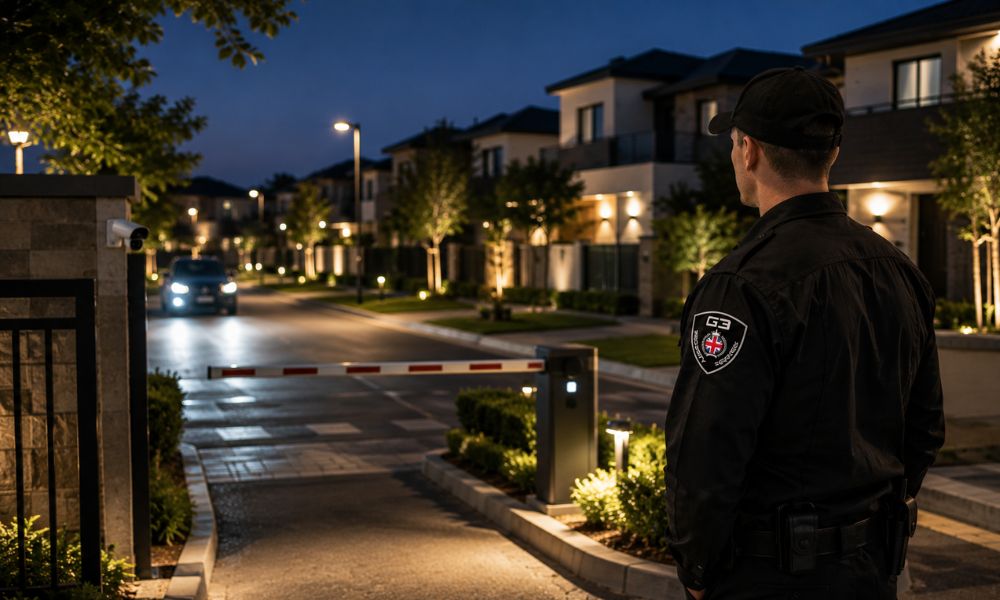
Residential communities, whether gated estates, apartment complexes, or suburban neighbourhoods, are increasingly attractive targets for criminal activity. As urban areas expand and living arrangements become more complex, the security challenges facing these communities have evolved significantly. Understanding these risks is the first step towards creating a safer living environment for residents. Why Residential Security Matters More Than Ever Residential communities are no longer simple collections of homes. Many now include shared amenities, communal spaces, multiple access points, and a diverse population of residents, visitors, contractors, and delivery personnel moving through the area daily. This complexity creates numerous vulnerabilities that criminals can exploit. The consequences of inadequate security extend beyond financial loss. Residents’ sense of safety, property values, and overall quality of life are directly tied to how well a community manages its security risks. A single high-profile incident can damage a community’s reputation and lead to decreased occupancy rates in rental properties or falling property values in owned developments. Common Security Risks in Residential Communities 1. Burglary and Property Theft Burglary remains one of the most prevalent threats to residential communities. Criminals often target properties that show signs of poor security, such as unlocked doors, visible valuables, or a lack of surveillance. Communities with limited access control are particularly vulnerable, as unauthorised individuals can enter and exit without detection. Seasonal patterns also play a role, with burglary rates often increasing during holiday periods when residents are away, and during darker winter months when reduced visibility provides additional cover for criminal activity. 2. Unauthorised Access and Trespassing Many residential communities struggle with controlling who enters the premises. Without proper access control measures, such as keyholding systems, intercoms, or manned entry points, unauthorised individuals can gain entry with relative ease. This is particularly problematic in larger developments where multiple entry points exist, including pedestrian gates, vehicle barriers, and shared parking areas. Trespassing incidents often precede more serious crimes, as individuals may be conducting reconnaissance for future burglaries or looking for vulnerable properties to target. 3. Vehicle-Related Crime Car theft and vehicle break-ins are significant concerns in residential areas, particularly those with communal parking facilities or driveways not visible from the property itself. Catalytic converter theft has also risen sharply in recent years, with residential streets and car parks being common targets due to the relative ease of escape and lower likelihood of intervention. 4. Vandalism and Anti-Social Behaviour Vandalism, graffiti, and anti-social behaviour can affect both the physical appearance and the perceived safety of a residential community. While these incidents may seem less severe than burglary, they contribute to a broader sense of insecurity and can signal to more serious criminals that an area lacks adequate oversight. Communal areas such as bin stores, stairwells, car parks, and children’s play areas are particularly susceptible to this type of activity, especially when poorly lit or lacking surveillance. 5. Parcel and Delivery Theft The rise in online shopping has introduced a new category of residential crime: parcel theft. Communities with communal entrances or shared delivery points are especially vulnerable, as packages left unattended can be easily taken by opportunistic thieves posing as delivery personnel or residents. 6. Fire and Safety Hazards While not always classified as a traditional security risk, fire safety failures and inadequate emergency response planning can have devastating consequences in residential communities. Blocked fire exits, faulty alarm systems, and a lack of clear evacuation procedures put residents at serious risk, particularly in higher-density housing such as apartment blocks. 7. Vacant Property Vulnerabilities Properties that sit empty, whether due to renovation work, seasonal absence, or being between tenancies, present a significant security gap. Vacant homes are more likely to be targeted for squatting, theft of fixtures and fittings, or use as a base for other criminal activities. Without regular inspections, issues can go unnoticed for extended periods. 8. Insider Threats and Social Engineering Not all security risks come from external sources. Insider threats, whether from disgruntled staff, contractors with unsupervised access, or residents themselves, can pose serious risks. Social engineering tactics, where individuals impersonate maintenance workers, delivery drivers, or utility inspectors to gain access, are increasingly sophisticated and difficult to detect without proper verification procedures. 9. Cyber and Smart Home Vulnerabilities As residential communities adopt smart technology, including keyless entry systems, video doorbells, and connected security cameras, new vulnerabilities have emerged. Poorly secured networks or outdated software can be exploited by cybercriminals, potentially compromising physical security systems and resident privacy. Factors That Increase Residential Security Risks Several underlying factors tend to compound the risks outlined above: Poor lighting: Dimly lit communal areas, car parks, and walkways provide cover for criminal activity and reduce the effectiveness of CCTV systems. Inadequate CCTV coverage: Blind spots in surveillance systems leave gaps that criminals can exploit. Lack of visible security presence: Communities without regular patrols or a visible security presence are statistically more likely to be targeted. Weak access control: Shared key codes, unmonitored entry points, and poorly maintained gates or barriers all contribute to vulnerability. Limited resident awareness: A lack of communication about security protocols can lead to residents inadvertently compromising safety, such as propping open communal doors. How Residential Communities Can Address These Risks Mitigating security risks requires a multi-layered approach that combines physical measures, technology, and human oversight. Access control systems should be a priority for any residential community. This includes secure keyholding arrangements, controlled entry points, and clear protocols for managing visitor and contractor access. Mobile patrol services provide a visible deterrent and allow for regular checks of vulnerable areas, including car parks, communal spaces, and vacant properties. Patrols can identify issues such as broken locks, inadequate lighting, or suspicious activity before they escalate into more serious incidents. CCTV and monitoring systems should be strategically placed to eliminate blind spots and provide comprehensive coverage of entry points, communal areas, and parking facilities. Regular maintenance ensures these systems remain functional and effective. Alarm response services ensure that triggered alarms receive a prompt and appropriate response, reducing the window of opportunity for criminals and

Why Offices Fail First Minutes of a Security Breach

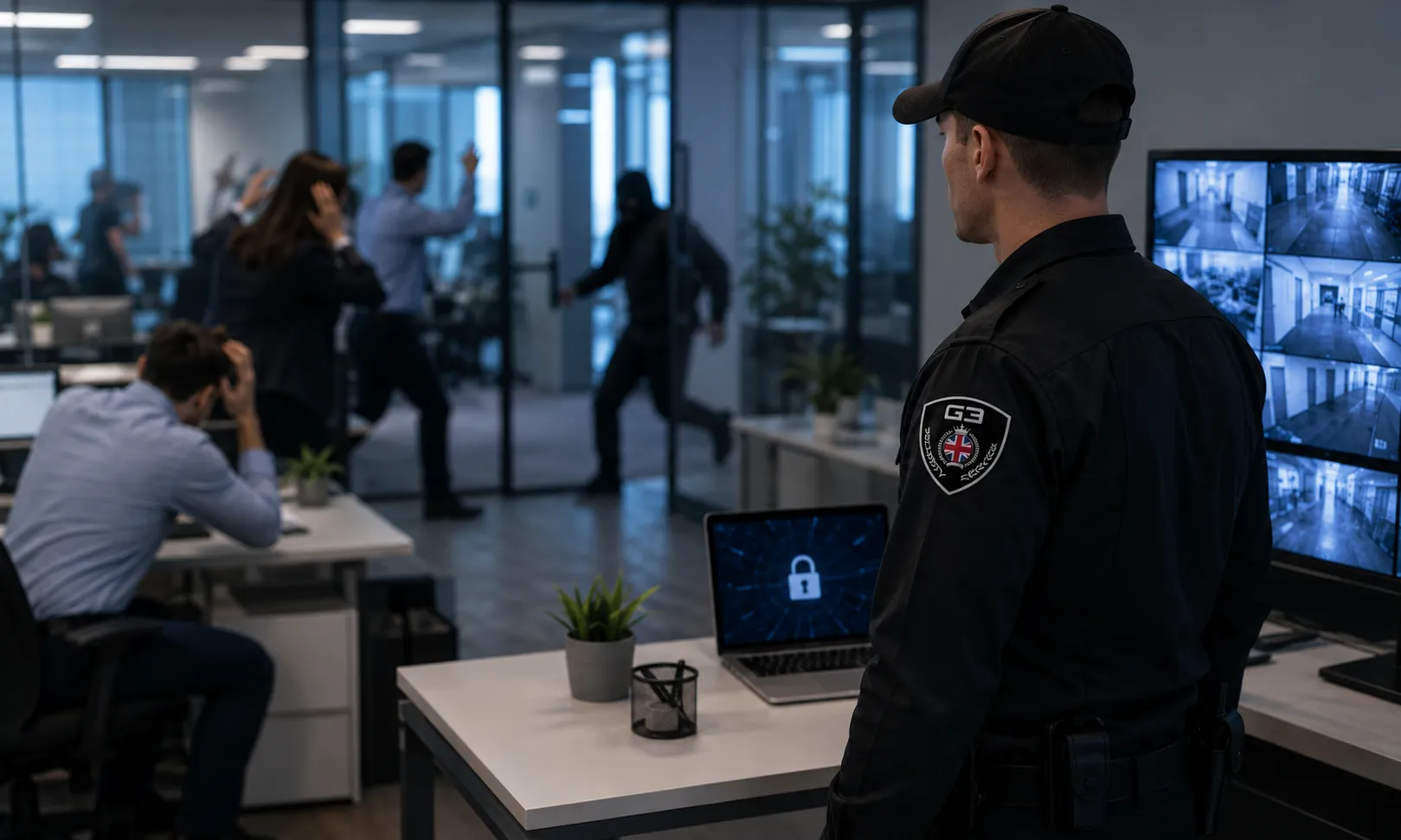
A security breach is rarely the real problem. What determines the outcome, how much is lost, how long recovery takes, and how much trust is damaged, is what happens in the minutes immediately after. Offices that have never tested their response often discover, in the middle of a live incident, that no one is quite sure what to do. This guide looks at what typically unfolds without a plan, the gaps a breach exposes, the toll it takes on the people involved, and how a genuinely prepared response changes the result. The First Few Minutes Without a Plan When an alarm sounds or a breach is discovered, the first few minutes are usually the most chaotic. Without a clear plan, several things tend to happen at once, and none of them help. Staff often investigate the situation themselves rather than waiting for a trained response. This is a natural instinct, most people want to understand what’s happening before they act, but it puts them at unnecessary risk and can compromise evidence that would otherwise help identify what occurred and how. Instructions to tenants or visitors become inconsistent, with different staff members giving different guidance depending on who they happen to speak to. One person is told to stay at their desk, another is told to evacuate, and a third receives no instruction at all. Access points that should be secured are sometimes left open in the confusion, allowing the situation to escalate rather than contain it. A door propped open for convenience earlier in the day, or a barrier left unmanned while staff deal with the immediate incident, can turn a contained problem into a building-wide one. Visitor and contractor tracking, which should show exactly who is on site at any given time, is frequently incomplete or abandoned altogether once the incident begins,meaning that in the event of an evacuation, no one can say with confidence whether everyone is accounted for. The Gaps a Breach Exposes A breach has a way of revealing exactly where an organisation’s preparation was thin. Three gaps come up more often than any others, and they tend to compound each other. Unclear Roles and Authority In many offices, no single person has been designated to take charge during a security incident. When an alarm goes off, several people may assume responsibility at once, issuing conflicting instructions, or no one does, leaving a vacuum that no one fills until it’s too late to matter. Both outcomes lead to delay, and delay is what allows a minor incident to become a serious one. A clearly designated incident lead, known in advance, not appointed on the spot, removes this ambiguity entirely. Outdated Procedures Many organisations have an incident response document somewhere in a shared drive or a folder, but it has often not been reviewed in years. Contact details are wrong, escalation steps reference staff who have since left the company, and the procedure doesn’t reflect how the building or its access systems actually work today. A plan written for a previous office layout, a previous alarm system, or a previous security provider offers very little real guidance when an incident actually occurs. Inconsistent Staff Training Reception staff, facilities teams, cleaning contractors, and security personnel are all typically present in office environments, but their level of incident training rarely matches. A breach exposes this unevenness quickly: one team responds correctly, following steps they’ve been trained on and drilled in, while another has no idea what is expected of them and simply waits to be told what to do. In a live incident, that gap in readiness is the difference between a fast, controlled response and a slow, confused one. The Human Impact Confusion spreads faster than instruction. In the absence of clear direction, people fill the gap with assumption, rumour, and, understandably, anxiety. This is one of the most underestimated aspects of a poorly handled breach, the practical damage is often matched, or exceeded, by the effect on the people who experienced it. Staff want to know if they are safe and what they should be doing. When that information isn’t available quickly, anxiety builds, and it lingers well after the incident is resolved, affecting morale and trust in the organisation’s ability to protect them. Tenants, in a shared or multi-occupancy building, want reassurance that the building is being managed properly and that their own staff and clients are safe. A poorly handled incident can damage a landlord-tenant relationship regardless of how minor the actual breach turns out to be. Visitors, who have the least context and the least loyalty to the organisation, often just want to leave, and if they aren’t given clear guidance, they will make their own decisions about how to do that, sometimes in ways that create further risk. This is where visible, named leadership matters most. A calm, identifiable point of authority, someone staff and visitors can see is in control of the situation, does more to prevent panic than any written procedure, however well drafted. This is one of the clearest advantages of having trained security personnel physically present rather than relying solely on documented plans that exist but aren’t embodied by anyone in the room. What It Costs An unprepared response doesn’t just extend the disruption on the day. It creates consequences that outlast the incident itself, often by months. Compliance Exposure Depending on the nature of the breach, organisations may face scrutiny under health and safety obligations, data protection law if personal information was exposed during the incident, or licensing requirements if the security personnel involved were not appropriately trained or accredited. Regulators and auditors will typically ask whether a documented, tested procedure existed, not simply whether the incident was eventually resolved. Reputational Damage Tenants and clients remember how an incident was handled far more clearly than they remember the incident itself. A poorly managed response signals that the organisation cannot be trusted to protect people or property, which can affect lease renewals, client retention, and the organisation’s ability

What are the Duties of a Corporate Security Officer?

In today’s dynamic business landscape, ensuring the safety and security of corporate assets, employees, and visitors is paramount. This responsibility often falls on the shoulders of dedicated corporate security officers. These professionals play a crucial role in safeguarding against various threats, both internal and external, that can potentially disrupt business operations and jeopardise safety. In this comprehensive guide, we delve into the essential duties of a corporate security officer and explore why partnering with a reputable security services provider like G3 Security Services is indispensable for businesses in the UK. 1. Protection of Personnel and Property One of the primary responsibilities of a corporate security officer is to safeguard personnel and property within a corporate environment. This includes monitoring access points, conducting patrols, and promptly responding to any security breaches or emergencies. By maintaining a visible presence and implementing robust security protocols, officers deter potential threats and create a secure atmosphere conducive to productivity and peace of mind. 2. Surveillance and Monitoring Corporate security officers utilise advanced surveillance technologies and monitoring systems to keep a watchful eye on premises round-the-clock. From CCTV cameras to access control systems, these professionals employ cutting-edge tools to detect suspicious activities, unauthorised entries, or any other anomalies that may compromise security. Through real-time monitoring and diligent observation, officers can swiftly intervene to mitigate risks and prevent incidents from escalating. 3. Emergency Response and Crisis Management In the event of an emergency, such as a fire, natural disaster, or security breach, corporate security officers are trained to act decisively and implement emergency response protocols. Whether it involves evacuating personnel, coordinating with emergency services, or administering first aid, these officers are equipped with the skills and expertise to handle crisis situations effectively. Their swift and coordinated response can minimise the impact of emergencies and ensure the safety and well-being of everyone onsite. 4. Access Control and Visitor Management Maintaining strict access control measures is essential for preventing unauthorised individuals from entering restricted areas within corporate premises. Corporate security officers are responsible for verifying credentials, issuing visitor passes, and enforcing access policies to regulate the flow of people and vehicles. By exercising vigilance and diligence at entry points, they prevent unauthorised access and enhance overall security posture. 5. Risk Assessment and Threat Analysis Corporate security officers conduct thorough risk assessments and threat analyses to identify potential vulnerabilities and security gaps within an organisation. By evaluating factors such as physical infrastructure, operational processes, and external threats, they develop tailored security strategies to mitigate risks and fortify defences. This proactive approach enables businesses to anticipate security challenges and implement preventive measures to safeguard against them effectively. 6. Conflict Resolution and De-escalation In situations where conflicts or confrontations arise, corporate security officers are trained to employ de-escalation techniques and resolve disputes peacefully. By exercising effective communication skills and maintaining a calm demeanour, they defuse tense situations and prevent them from escalating into violence or disruption. Their ability to handle interpersonal conflicts professionally contributes to maintaining a harmonious and secure environment within corporate premises. 7. Collaboration with Law Enforcement and Stakeholders Corporate security officers collaborate closely with law enforcement agencies, as well as internal stakeholders such as management, HR, and facilities teams, to address security concerns comprehensively. Whether it involves sharing intelligence, coordinating security operations, or conducting joint training exercises, this collaborative approach fosters synergy and enhances the effectiveness of security efforts. By working in tandem with external partners and internal departments, officers ensure a unified and coordinated response to security challenges. 8. Security Training and Awareness Programs Corporate security officers play a crucial role in implementing security training and awareness programs for employees. They conduct regular training sessions to educate staff on security protocols, emergency procedures, and best practices for maintaining a secure work environment. By raising awareness and promoting a culture of security consciousness, officers empower employees to contribute actively to the overall safety and security of the organisation. 9. Incident Reporting and Documentation Effective incident reporting and documentation are essential aspects of corporate security operations. Security officers are responsible for promptly reporting security incidents, accidents, or suspicious activities and maintaining detailed records for future reference and analysis. These reports not only facilitate timely response and resolution but also provide valuable insights for identifying trends, improving security protocols, and implementing preventive measures to mitigate risks effectively. 10. Continuous Improvement and Adaptation Corporate security officers are committed to continuous improvement and adaptation in response to evolving security threats and challenges. They regularly review and update security protocols, procedures, and technologies to ensure alignment with industry best practices and emerging trends. By staying proactive and agile, officers enhance their ability to anticipate and mitigate emerging threats, safeguarding the organisation’s assets and personnel effectively in an ever-changing security landscape. Choose Security Excellence with G3 Security Services For businesses seeking reliable and comprehensive security solutions in the UK, G3 Security Services stands as the premier choice. With a proven track record of excellence and a commitment to unparalleled service, G3 Security Services offers bespoke security solutions tailored to meet the unique needs of each client. From corporate offices and retail establishments to industrial facilities and construction sites, our team of highly trained security professionals delivers round-the-clock protection and peace of mind. Leveraging state-of-the-art technology and industry-best practices, we ensure proactive threat detection, swift response to emergencies, and seamless collaboration with law enforcement agencies and stakeholders. Trust G3 Security Services to safeguard your assets, enhance your security posture, and safeguard your business interests. Contact us today to learn more about our comprehensive security solutions and experience the difference of partnering with the industry leader in corporate security. Conclusion In conclusion, the duties of a corporate security officer encompass a wide range of responsibilities aimed at safeguarding personnel, property, and assets from various threats and risks. From physical security measures to emergency response protocols, these professionals play a pivotal role in maintaining a secure and resilient corporate environment. By partnering with a reputable security services provider like G3 Security Services, businesses in the UK can

The Role of Corporate Security Guards

In an era where security concerns loom large, safeguarding businesses and their assets has become paramount. Corporate entities, in particular, face a myriad of security challenges ranging from theft, vandalism, and unauthorised access to more sophisticated threats like cyber-attacks and corporate espionage. Their pivotal role in physical security, corporate security guards also serve as ambassadors of professionalism and deterrence, instilling confidence in employees and visitors alike. Their vigilant presence not only deters criminal activities but also provides a sense of reassurance, fostering a culture of safety and trust within the organisation. As businesses continue to adapt to evolving security threats, the expertise and dedication of corporate security guards remain indispensable in safeguarding assets and preserving business continuity. In this landscape, the role of corporate security guards is indispensable, serving as the frontline defence in protecting businesses and promoting a safe working environment. Understanding Corporate Security Guards Corporate security guards are trained professionals tasked with ensuring the safety and security of businesses, their employees, customers, and assets. Unlike traditional security personnel, corporate security guards are equipped to handle the unique challenges faced by businesses operating in diverse environments, including office buildings, manufacturing plants, retail establishments, and technology firms. Corporate security guards undergo rigorous training to develop specialised skills tailored to the specific needs of the industries they serve, including crisis management, conflict resolution, and advanced surveillance techniques. Their adaptability enables them to effectively address emerging threats and vulnerabilities, such as cyber-attacks and internal security breaches, mitigating risks and preserving the integrity of business operations. By maintaining a proactive stance and staying abreast of industry best practices, corporate security guards play a pivotal role in safeguarding the assets and reputation of the organisations they serve. Key Responsibilities of Corporate Security Guards 1. Physical Security One of the primary responsibilities of corporate security guards is to maintain physical security on the premises. This includes monitoring access points, conducting security patrols, and responding promptly to any suspicious activities or breaches. Corporate security guards enforce security protocols and procedures to ensure compliance with regulatory standards and company policies. They collaborate with other personnel, such as facility managers and law enforcement agencies, to coordinate emergency response plans and optimise security measures. Through regular inspections and risk assessments, security guards identify potential vulnerabilities and implement proactive measures to enhance the overall security posture of the premises. Their vigilant presence not only deters unauthorised access but also provides a visible deterrent against criminal behaviour, bolstering the safety and well-being of occupants and assets within the facility. 2. Asset Protection Corporate assets, including equipment, inventory, and intellectual property, represent significant investments for businesses. Security guards play a crucial role in protecting these assets from theft, vandalism, and damage, thereby safeguarding the financial interests of the organisation. Moreover, corporate security guards employ advanced monitoring systems and surveillance technologies to proactively detect and deter potential threats to assets. They conduct thorough inspections of sensitive areas and implement access control measures to restrict unauthorised entry, ensuring the integrity and confidentiality of valuable information and resources. By maintaining a visible presence and adhering to strict security protocols, security guards instil confidence among stakeholders and demonstrate the organisation’s commitment to safeguarding its assets. This proactive approach not only mitigates financial risks associated with asset loss or damage but also preserves the competitive advantage and reputation of the business in the marketplace. 3. Emergency Response In the event of emergencies such as fire outbreaks, medical emergencies, or security breaches, corporate security guards are trained to respond swiftly and effectively. Their presence ensures that appropriate measures are taken to mitigate risks and minimise disruptions to business operations. Corporate security guards undergo comprehensive training in emergency response protocols, including first aid, evacuation procedures, and crisis management techniques. This equips them with the necessary skills to assess the situation quickly and implement timely interventions to protect lives and property. Additionally, security guards collaborate closely with local emergency services and incident response teams to coordinate a cohesive and efficient response to emergencies, ensuring a seamless transition from crisis to recovery. Their proactive approach to emergency preparedness not only enhances the safety and well-being of personnel but also reinforces the organisation’s resilience in the face of unforeseen challenges. 4. Surveillance and Monitoring Utilising advanced surveillance technologies and techniques, security guards monitor the premises round-the-clock to identify potential security threats and suspicious activities. This proactive approach enables timely intervention and deterrence of criminal behaviour. Corporate security guards continuously analyse surveillance data and conduct regular risk assessments to stay ahead of evolving security threats. By leveraging their expertise and strategic positioning, security guards can detect patterns of suspicious behaviour and preemptively address potential security breaches. Moreover, their presence serves as a visual deterrent, dissuading individuals with malicious intent from attempting unlawful activities. Through real-time monitoring and swift response capabilities, security guards play a crucial role in maintaining a secure environment and preventing security incidents before they escalate. 5. Customer Service Beyond their security duties, corporate security guards often serve as the first point of contact for visitors, employees, and vendors. By providing courteous assistance and maintaining a professional demeanour, they contribute to a positive customer experience while reinforcing the company’s commitment to safety and security. Corporate security guards are trained to handle various customer service scenarios, including providing directions, escorting visitors, and addressing inquiries with efficiency and professionalism. Their friendly and approachable demeanour creates a welcoming atmosphere, fostering positive interactions and leaving a lasting impression on stakeholders. Additionally, security guards act as brand ambassadors, representing the company’s values and dedication to customer satisfaction through their exemplary service delivery. By seamlessly integrating security and hospitality, they enhance the overall experience for visitors and employees, elevating the company’s reputation and fostering long-term relationships. Benefits of Hiring Corporate Security Guards 1. Enhanced Security With professionally trained security guards on-site, businesses can deter criminal activities and unauthorised access, thereby reducing the risk of theft, vandalism, and other security incidents. Furthermore, the presence of professionally trained security guards instils a sense of confidence among employees, customers,

Student Accommodation Security Tips

2020 has definitely been an unpredictable year for everyone. With schools closed, exams cancelled and A-level results all over the place, many students have been worried about what their future holds.   Now with universities opening up, it is eminent that all students secure their accommodation and look after their own safety whilst living out. 1. Only let people you know into your flat/room Students often tend to leave their flat doors unlocked; however, this isn’t the best option. If intruders gain access to your flat or communal area – they can easily get their hands-on valuables. It is also best to get into the habit of locking windows and doors. 2. What to do in case of a break-in or burglary? Report this to the police immediately and site staff. Get a crime reference number from the police – this may be needed if you claim insurance. Try to make a list of everything that has been damaged or stolen If your bank card, laptop, or mobile device has been stolen be sure to block the items immediately. 3. Be careful on nights out Although Corona is limiting socialising and parties, there still may be some events occurring on campus. Its important to drink responsibly, stay in a group, don’t lose your personal belongings and plan your journey home beforehand. 4. Fire Safety It is important to consider fire safety, take precautions to prevent fires and be aware of what you need to do in case of fire. If a fire alarm goes off – be sure to immediately go to the allocated assembly point. G3 Security Services provide all clients with exceptional services to protect premises and personnel. Hiring security officers puts companies and individuals at an advantage. As officers can provide a physical presence, surveillance and on-going patrols on site. Overall this aids to deter intruders or criminals from acting out of line. G3 Security Services strongly stress the benefits of choosing any of our security measures for student accommodations. Our officers are exceptionally experienced and G3 provide our clients with outstanding customer service. To discuss your requirements further do not hesitate to get in contact with us and speak to a member of our operations team. T:  02032880000 / 02032880011 F: 02089119546 E: info@g3security.co.uk W: www.g3security.co.uk Leave us a feedback: https://www.g3security.co.uk/security-companies/about-us-security-company-london/leave-us-feedback/  

Moving Out For Uni? Read Our Top Tips On Accommodation Safety…

It’s September – which means the academic year has officially begun for many across the UK. For some, it also means moving out for university for the first time ever! This can be exciting, daunting and surprising all at once.That’s why we’ve put together some safety tips students should be aware of… 1.Protect Your Valuables University accommodations are always super busy, especially during term time. Your roommates may have friends stopping by – and you may not know every single individual well enough. Thus, it’s always eminent to protect your belongings – this can be done by ensuring your room and windows are locked at all times when you’re not present. Moreover, don’t keep expensive items on display in your room, you may want to invest in a small locker to keep certain belongings safe and sound. 2. Accommodation Buddy Always let one of your friends know about your whereabouts, especially if you are having a night out partying or even if you’re just doing your routine grocery run. If you’re travelling late at night make sure you keep in well-lit areas even if this makes your journey longer. 3. Don’t leave your key lying around It can be tempting to leave your key under the doormat or in the flowerpot. However, criminals and intruders are well aware of this method. Don’t put your accommodation at risk by doing this. It’s best to rely on a good friend that can be trusted with your key. 4. Be Aware of Fire & Safety Procedures Fires tend to start in the kitchen, so it’s crucial that appropriate measures are taken when cooking. Ensure you don’t misuse kitchen appliances, don’t leave candles unattended and don’t charge electrical items overnight. Fires alarms can turn off at any moment, it’s also best to know all fire exits near you, evacuation and assembly points. If an emergency occurs you should immediately evacuate the premises, inform a member of staff if possible and don’t waste time grabbing your belongings. G3 Security Services provide all clients with exceptional services to protect premises and personnel. Hiring security officers puts companies and individuals at an advantage. As officers can provide a physical presence, surveillance and on-going patrols on site. Overall this aids to deter intruders or criminals from acting out of line. G3 Security Services strongly stress the benefits of choosing any of our security measures for student accommodations. Our officers are exceptionally experienced and G3 provide our clients with outstanding customer service. To discuss your requirements further do not hesitate to get in contact with us and speak to a member of our operations team. T:  02032880000 / 02032880011 F: 02089119546 E: info@g3security.co.uk W: www.g3security.co.uk Leave us a feedback: https://www.g3security.co.uk/security-companies/about-us-security-company-london/leave-us-feedback/

Dealing With Crime In London

London crime rates tell a tale of a city where moped gangs are increasing, knife crimes soar to new levels, snatching thefts rise and a newer addition to all of this is acid attacks. It is best to be knowledgeable on the threats that are occurring around you. This blog will help you familiarise with the type of crimes taking place and how you can prevent falling victim to such actions. 1. Moped Crimes: BBC reports how moped crimes have increased excessively in the last five years. A boom in fast-food delivery and online shopping have in turn led to a high number of motorcycles. Moped crime relates to offences carried out on motorcycles or scooters, where victims’ personal belongings have been snatched. Recently, moped crimes have escalated even further, where ‘moped gangs’ have attacked retail shops and high-end jewellery stores. So, what’s the best thing to do in this case? The best option really is to stay alert of your surroundings. This means putting your phone down and taking your headphones off. Listening to music or speaking on the phone can reduce your awareness, hence its best to avoid using your phone whilst walking around in London. It’s also good to not keep all valuable belongings in one place. So, if something does occur you don’t lose all of your important possessions. For instance, keep phone in your front pocket, purse inside your bag and keys in your coat pocket. In order to keep extra safe, you can also conceal some of your possessions. For example, rather than keeping your laptop in a laptop pouch you can cover it in a plastic bag. When walking, don’t stray too close to the kerb and if possible, walk facing the opposite way from oncoming traffic. 2. Knife Violence Knife crime can relate to knife-carrying or knife assaults. For instance, if someone threatens or causes another individual harm with a bladed weapon, robberies where a knife is involved and murdering or stabbing someone with a knife. If you are caught carrying a knife you could face fines, community sentence or imprisonment. In the case of a knife crime occurring near you, it’s best to stay calm and collected. You should also hand over personal belongings and don’t fight back with the culprit. 3. Acid Attacks: Acid attacks refer to violent assaults which involve throwing acid or a corrosive chemical on another individual. This can torture, maim, kill or disfigure an individual. In an event, where you are attacked with an acid you would need to immediately rinse affected area(s) with fresh water until the pain subsides. People are also advised to remove clothing or jewellery that has made contact with the acidic substance. Individuals should also immediately obtain hospital treatment, as such attacks can be life threatening and traumatic. 4. House Burglaries: Burglary can relate to the breaking and unlawful entry into a house or a site, usually with the intention of committing an offence. Doors and windows should always be locked, despite your attendance at home or not. Moreover, high-value possessions such as jewellery should not be kept at home but in a safe deposit in the bank. Don’t trust anyone that comes knocking at your front door. With the new trend of food delivery and online shopping, everyone has become more accustomed to deliveries at home. However, it’s vital that you don’t just open your door to anyone, as many incidents have occurred where intruders barge in and threaten residents. You can install cameras around the house or a doorbell which records the perimeter when someone comes close to your house. G3 Security Services provide all clients with exceptional services to protect premises and personnel. Hiring security officers puts companies and individuals at an advantage. As officers can provide a physical presence, surveillance and on-going patrols on site. Overall this aids to deter intruders or criminals from acting out of line. G3 Security Services strongly stress the benefits of choosing any of our security measures. Our officers are exceptionally experienced and G3 provide our clients with outstanding customer service. If you have any security requirements do not hesitate to get in contact with us and speak to a member of our operations team. T:  02032880000 / 02032880011 F: 02089119546 E: info@g3security.co.uk W: www.g3security.co.uk Leave us a feedback: https://www.g3security.co.uk/security-companies/about-us-security-company-london/leave-us-feedback/

Keep Your House Secured During Holiday Season

Many people are off on their holidays over the summer, which means houses are left unoccupied and are easily accessible to criminals. There are a few ways in which you can protect your premises whilst you’re away… 1. Let there be light! Your house can’t seem completely unoccupied to criminals or trespassers, so the best way to go about this is to keep certain areas of the house well lit. This means keeping a light on in a room or purchasing a front door light that activates itself when someone enters into a certain radius. This can help deter intruders from entering or carrying out suspicious activity. You can also invest in a light with a timer switch. This will allow you to set certain times when you want the light to be on. Most people choose to keep this on in the evening. 2. Give access to someone you trust Nothing is worse than letters and leaflets piling up in your post box. This only motivates criminals further and tells them you’re not at home. The best way to go about this is to hand a trusted person your spare key. They can visit your home, ensure everything is in check and move all post where it’s not visible. Before jetting off, also ensure you cancel all routine deliveries. So, groceries and online shopping need to be done well before you set off. 3. Social media doesn’t have to know… We all know a holiday isn’t really a holiday until you broadcast it on Facebook and Instagram! However, it’s best to avoid posting anything about your holiday whilst your away, especially if you have a public account. This publicises how your house is empty and places your property at risk. 4. Ensure your property does not look unoccupied This can be done through many ways. For instance, mowing the lawn before you leave, not leaving clothes on the washing line, keeping lights on and cancelling regular grocery deliveries. 5. Don’t leave valuables home Expensive jewellery, laptops and other prized possessions are not safe at home. Even if these valuables are well hidden and locked away, they are subject to theft. You may want to purchase a safe locker and keep these items protected appropriately. If you are away on holiday or if you’re worried that your premises is unsafe, contact G3 Security Services to find out more on how security officers can help protect your site from intruders. G3 Security Services strongly stress the benefits of choosing manned guarding. Our officers are exceptionally experienced and G3 provide our clients with outstanding customer service. To discuss your requirements further do not hesitate to get in contact with us and speak to a member of our operations team. T: 02032880000 / 02032880011 F: 02089119546 E: info@g3security.co.uk W: www.g3security.co.uk Leave us a feedback: https://www.g3security.co.uk/security-companies/about-us-security-company-london/leave-us-feedback/

Mistakes Your Company Is Making by Not Investing in Security Officers

If you and your business are relying solely on alarm and security systems, then you are endangering your business, site and employees. Although these high-tech alarms, CCTV or other new technological security advancements provide you with intruder alerts, monitoring and sirens, security officers are still an option you won’t regret investing in. 1. Most businesses believe their workplace is safe and free from intruders, criminals or suspicious activity. However, this puts your firm at a disadvantage, if an unexpected event does occur, most staff will not be prepared to handle the situation or deal with intruders effectively. G3 Security provide well trained and experienced security officers to suit your needs. We also dedicate a client manager who is wholly responsible for ensuring the highest level of service delivery is provided to your site. 2. Many firms allocate one of their own employees to act as a security personnel when the need arises. This is a big hazard, as employees are not sufficiently trained, nor equipped with full knowledge on how to deal with a threat. Security guards can help a business against intruders, loss prevention, or even against assault or violence. 3. Easy access for unauthorised individuals in buildings could become the norm. Security officers help ID people into a site, this deters unofficial people from entering a building and reduces the risk of any crimes occurring. Security officers will also be able to check entrants’ belongings for any suspicious articles. This therefore helps businesses relax and not worry about any security crisis taking place. G3 Security Services provide all clients with exceptional services to protect premises and personnel. Hiring security officers puts companies and individuals at an advantage. As officers can provide a physical presence, surveillance and on-going patrols on site. Overall this aids to deter intruders or criminals from acting out of line. G3 Security Services strongly stress the benefits of choosing manned guarding. Our officers are exceptionally experienced and G3 provide our clients with outstanding customer service. To discuss your requirements further do not hesitate to get in contact with us and speak to a member of our operations team. T: 02032880000 / 02032880011 F: 02089119546 E: info@g3security.co.uk W: www.g3security.co.uk Leave us a feedback: https://www.g3security.co.uk/security-companies/about-us-security-company-london/leave-us-feedback/

Diverse Needs. Diverse Security.

Increasing crime rates and threat levels have led to more diverse security options. Intruder alarms and high-tech security systems are not providing much help as they once used to. Individuals want more advanced security, cutting-edge safety methods and high levels of protection. This has led people to turn to security options such as mobile patrols, traffic marshals and key holding. The various security methods are explained in detail below: Manned Guarding: This is the most popular method employed by many companies and private parties. It entails having security officer(s) guarding premises against intruders, dealing with loss prevention or even guarding against assault or violence. Manned guarding is usually a need required by retail shops or buildings where unauthorised access is prohibited. Mobile Patrols:  This involves an officer patrolling on a specific site within a vehicle that has a security company logo. Vulnerable locations can be easily guarded and protected through this technique. This security option also dissuades potential thieves and offenders from breaking in or vandalising any property. Traffic Marshals: This is where officers are hired to ensure the safe movement of vehicles around a site. Allowing a good flow of automobiles and preventing accidents occurring in an area. Construction sites, car parks or theme parks for instance may require such services to manage the changing environment. G3 Security traffic marshals are fully competent and licensed to carry out their duties effectively. Key Holding: A security company can hold a set of keys to residential or commercial properties. This allows the company to gain access to a site, respond efficiently and take action to tackle a problem. This is a necessary precaution many people can take as break-ins can occur at any moment. In any event, where an issue arises, G3 will respond immediately by entering the site, taking necessary actions and providing a report to the client. G3 Security Services provide all clients with exceptional services to protect premises and personnel. Hiring security officers puts companies and individuals at an advantage. As officers can provide a physical presence, surveillance and on-going patrols on site. Overall this aids to deter intruders or criminals from acting out of line. Mobile patrols are also cost-effective because the officer only visits the site for a certain time period. G3 Security Services strongly stress the benefits of choosing any of these security measures. Our officers are exceptionally experienced and G3 provide our clients with outstanding customer service. To discuss your requirements further do not hesitate to get in contact with us and speak to a member of our operations team. T:  02032880000 / 02032880011 F: 02089119546 E: info@g3security.co.uk W: www.g3security.co.uk Leave us a feedback: https://www.g3security.co.uk/security-companies/about-us-security-company-london/leave-us-feedback/