How Traffic Marshals Keep Construction Sites Safe

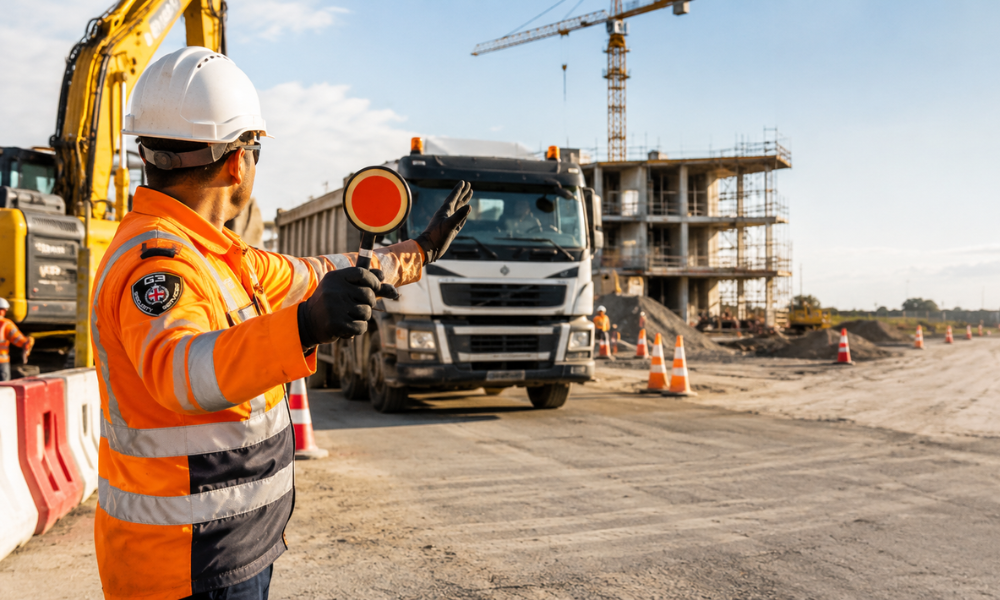
A construction site is one of the few workplaces where people, heavy vehicles and moving plant all share the same ground at the same time. Excavators swing, dumpers reverse, delivery lorries arrive, and workers move on foot between it all, often in tight spaces and changing conditions. It’s a combination that, without proper control, can turn deadly in seconds. This is exactly where traffic marshals earn their keep. By managing the movement of vehicles and keeping people out of harm’s way, they prevent the kind of accidents that remain among the most serious risks in UK construction. Why Site Traffic is So Dangerous In the UK, being struck by a moving vehicle is one of the leading causes of death and serious injury on construction sites. The Health and Safety Executive (HSE) is clear that the vast majority of these incidents come down to one root cause: the inadequate separation of pedestrians and vehicles. People on foot and vehicles operating in the same space, without proper control, is the single biggest danger, and reversing manoeuvres in particular account for a large share of fatal accidents. There’s a legal dimension too. Under the Construction (Design and Management) Regulations 2015, sites must be organised so that vehicles and pedestrians can move around safely, as far as is reasonably practicable. Traffic marshals are a key part of meeting that duty in the real, messy conditions of a live site. What a Traffic Marshal Actually Does A traffic marshal (sometimes called a banksman or signaller) is a trained person responsible for directing and controlling vehicle movements on site. Their job isn’t simply to wave vehicles through, it’s to act as the eyes, judgement and coordination point that keeps everyone safe. Day to day, that involves: Directing vehicles safely around the site and into and out of work areas Guiding reversing manoeuvres, covering the blind spots a driver simply cannot see Managing deliveries and controlling access for incoming and outgoing vehicles Protecting pedestrian routes and keeping workers on foot clear of moving plant Communicating with drivers through clear, agreed signals Monitoring traffic routes and flagging hazards before they cause harm In short, they bring order to a space where vehicles and people would otherwise mix freely. The Key Ways Traffic Marshals Keep Sites Safe Separating people from vehicles The most important safety principle on any site is keeping pedestrians and vehicles apart, and the marshal is central to enforcing it. They manage crossing points, hold pedestrians back while the plant is moving, and make sure no one strays into an active vehicle zone. Because inadequate separation is the cause of most transport accidents, this single function does more to save lives than almost anything else on site. Controlling Reversing Manoeuvres Reversing is consistently one of the deadliest activities on a construction site. Drivers of large vehicles have significant blind spots, and a person standing behind a reversing dumper or lorry can be invisible to them. A marshal positioned safely and visibly guides the manoeuvre, watches the areas the driver can’t, and stops the movement the instant anyone enters the danger zone. Bridging Blind Spots and Poor Visibility Excavators, dumpers and lorries all have areas around them the operator can’t see. The marshal acts as a second set of eyes, communicating where the driver cannot rely on mirrors alone. This is especially valuable in poor light, bad weather, or congested areas of the site where visibility is reduced. Managing Deliveries and Access Delivery vehicles arriving and leaving are a recurring flashpoint, often involving drivers unfamiliar with the site. Marshals control these movements, directing vehicles to the right place at the right time, preventing congestion, and ensuring deliveries don’t cut across pedestrian routes or busy work areas. Keeping Communication Clear Confusion causes accidents. By using clear, consistent hand signals and agreed communication methods, marshals remove the ambiguity between drivers and the people around them. Everyone knows who is in control of a movement and what’s expected, which keeps the whole operation calm and predictable. Trained, Competent and Authorised A traffic marshal isn’t just any available worker pointed at a junction. UK guidance is firm that anyone directing vehicle movements must be properly trained and authorised to do so. Marshals need to understand the site layout and traffic routes, the signals they’ll use, the blind spots of the vehicles they’re guiding, and,  crucially, how to position themselves so they aren’t struck while doing the job. Competence matters: an untrained person attempting to direct traffic can be as dangerous as having no control at all. Good marshals also work hand in hand with the wider site set-up, high-visibility clothing, separate entry and exit points for pedestrians and vehicles, signage, lighting and clearly marked routes, reinforcing the systems already in place rather than replacing them. More than Safety While safety is the priority, effective traffic marshalling brings practical benefits too. A well-controlled site has fewer hold-ups, less congestion at gates and loading areas, and a lower risk of costly damage to vehicles, plant and property. Deliveries flow more predictably, work areas stay clear, and the project runs more efficiently. Good traffic management is as much about keeping a site productive as it is about keeping it safe. Supporting compliance and Avoiding Penalties For contractors, traffic marshals are also part of staying on the right side of the law. With the HSE actively inspecting sites and taking serious enforcement action where traffic management falls short, including substantial fines following fatal incidents linked to missing or inadequate vehicle control, having competent marshals in place is a clear demonstration of taking those legal duties seriously. It protects workers and the public, and it protects the business. The Bottom Line On a busy construction site, a traffic marshal is far more than someone waving vehicles along. They are a trained safety professional who separates people from machinery, controls the riskiest manoeuvres, bridges the gaps a driver can’t see, and brings order to a constantly changing environment. Given that vehicle-related incidents remain one of

What are Traffic Marshal Responsibilities?

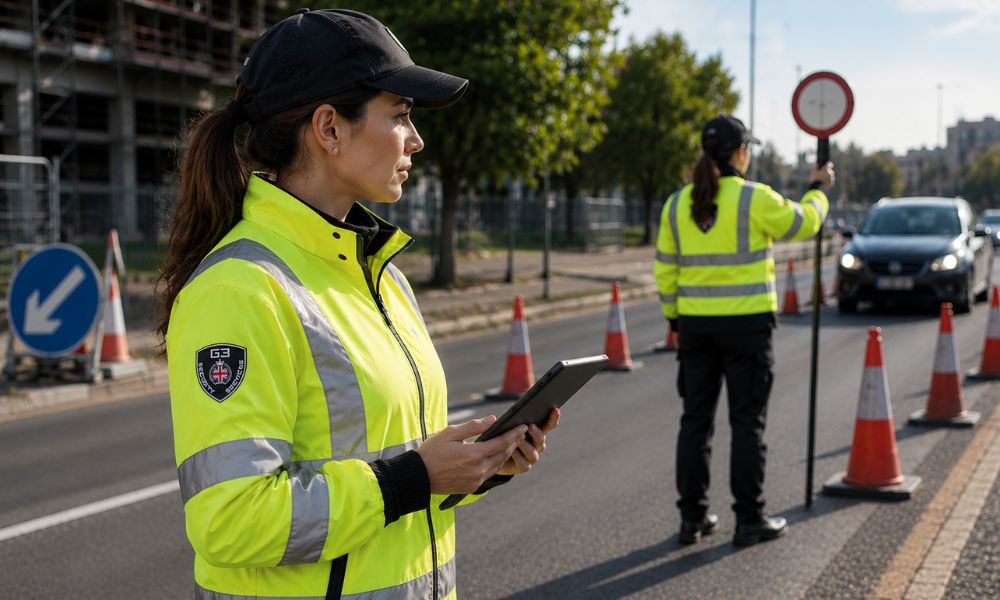
Traffic marshals play a crucial role in maintaining the safe flow of traffic at designated sites, typically within construction zones. Their multifaceted responsibilities make them indispensable members of construction teams, adept at preventing accidents and ensuring efficient vehicle movement. These professionals are tasked with overseeing traffic control measures, guiding vehicles through designated routes, and communicating effectively with drivers and construction personnel to uphold safety standards. They must possess strong organisational skills to manage traffic flow effectively amidst changing conditions, along with the ability to remain calm and composed in high-pressure situations. The role of a traffic marshal demands a keen attention to detail, quick decision-making capabilities, and a commitment to prioritising safety above all else. If you’re considering a career as a traffic marshal, understanding these responsibilities and skills can help you determine if this path aligns with your interests and capabilities. What is a Traffic Marshal? A traffic marshal is an essential presence at construction sites or venues, ensuring seamless vehicle movement and mitigating the risk of collisions. Whether directing construction vehicles through tight spaces or managing traffic flow at large-scale events, their role is pivotal in maintaining safety and efficiency. Additionally, traffic marshals are instrumental in facilitating parking arrangements for event attendees and managing congestion in densely populated areas such as hotels, theme parks, and general car parks. Regardless of the setting, traffic marshals utilise a combination of hand signals and specialised equipment to guide vehicles safely. This position may fall under the purview of an external security provider or be integrated into the operations of events organisations or construction firms. While the core responsibilities remain consistent across different settings, there may be variations in duties based on the specific context.Traffic marshal responsibilities include. Safely Guiding Vehicles to a Destination Ensuring the safe navigation of vehicles to their designated destinations is the primary responsibility of traffic marshals. Whether guiding a heavy-duty dump truck through a construction site to deliver essential materials or directing attendees to available parking spots at bustling events, their expertise in managing traffic flow is indispensable. Traffic marshals possess a thorough understanding of the area’s layout and parking capacity, enabling them to make informed decisions on how best to route vehicles to their intended locations, thereby minimising congestion and potential hazards. With keen observational skills and the ability to adapt to changing circumstances, traffic marshals play a vital role in maintaining order and safety amidst the dynamic environments of construction sites and large-scale events. Through effective communication and strategic positioning, they facilitate the smooth movement of vehicles, ensuring seamless operations and a positive experience for all involved. Checking for Obstructions An essential aspect of directing vehicles safely involves personally inspecting the route for potential obstructions or hazards. This may include communicating with other staff members via radio for updates on the route’s condition or physically traversing the path to assess its suitability. The frequency of these checks varies depending on the length of the journey, but traffic marshals often accompany vehicles during transit to guarantee a secure passage. Their role extends beyond vehicle guidance, encompassing the responsibility to clear any obstructions or address issues along the route that could jeopardise safety for both vehicles and pedestrians. By proactively identifying and mitigating risks, traffic marshals play a critical role in maintaining a safe and efficient traffic flow. Through meticulous route inspection and effective communication, they ensure that vehicles can navigate the area without encountering obstacles, contributing to the overall safety and success of the operation. Providing Customer Service In addition to managing traffic flow, traffic marshals play a vital role in providing excellent customer service at event venues. As attendees arrive, these marshals prioritise ensuring their comfort and satisfaction by adopting a friendly and approachable demeanour while giving parking directions. Recognizing that they may be the attendees’ initial point of contact, traffic marshals communicate parking instructions clearly and courteously, addressing any inquiries to enhance the overall experience. By efficiently directing attendees to suitable parking spaces, traffic marshals not only save them time and alleviate stress but also contribute positively to their overall enjoyment of the event. Through attentive customer service and effective communication, traffic marshals create a welcoming atmosphere for attendees, setting a positive tone for their experience from the moment they arrive. Their ability to navigate parking logistics smoothly and assist attendees with any concerns reinforces the venue’s reputation for exceptional service, fostering a sense of satisfaction and ease among event-goers. Patrol Parking Areas In certain instances, traffic marshals, especially those overseeing large-scale events, conduct regular patrols of parking areas to offer assistance to attendees and ensure adherence to parking guidelines. This proactive approach may also involve monitoring for unauthorised individuals, depending on the security aspect of the role. Should a vehicle be parked improperly, hindering the parking process for others, marshals take the initiative to inform the driver and rectify the situation. Additionally, they may conduct pre-event patrols to assess available parking capacity and devise an effective parking plan to efficiently guide guests to designated spaces. By actively patrolling parking areas, traffic marshals demonstrate their commitment to maintaining order and facilitating a seamless parking experience for event attendees. Their presence serves to address any parking-related issues promptly, enhancing overall safety and convenience. Through careful monitoring and strategic planning, marshals ensure that parking arrangements align with the event’s needs, contributing to a smooth and enjoyable experience for all participants. Preserve the Pedestrian Routes In addition to managing vehicular traffic, traffic marshals play a crucial role in preserving pedestrian routes within the site. This entails ensuring that construction personnel and other staff have unobstructed pathways to access the site safely without impeding vehicle flow. By striking a balance between different types of traffic, traffic marshals facilitate smooth operations, particularly considering the slower pace of construction vehicles and the need for pedestrian access routes to prevent delays. This proactive approach not only enhances safety but also contributes to a positive experience for attendees at large-scale events, enabling seamless movement throughout the venue. Through diligent monitoring and