Why Security Guard is Important in The Business Organisation?

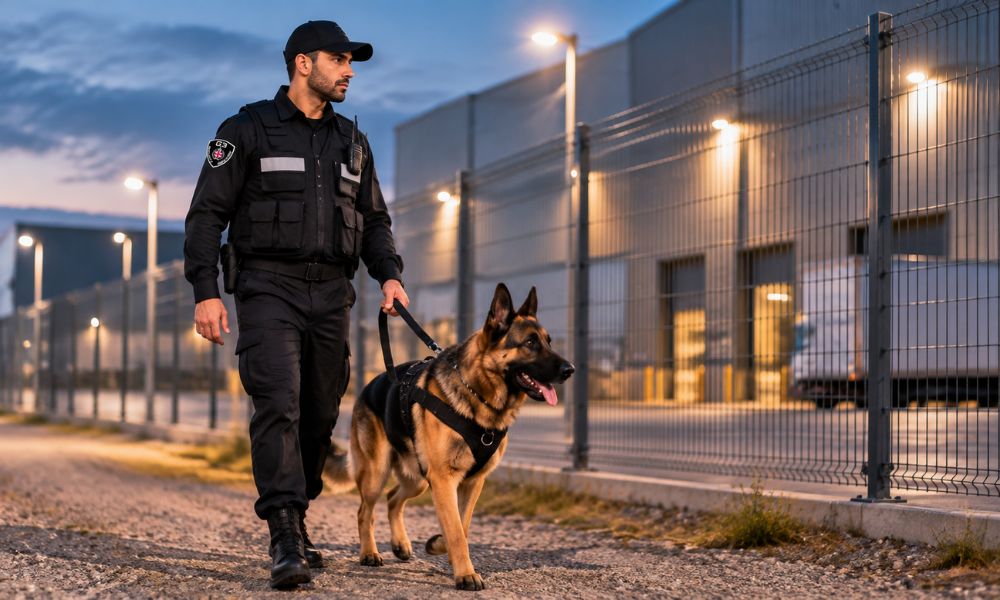
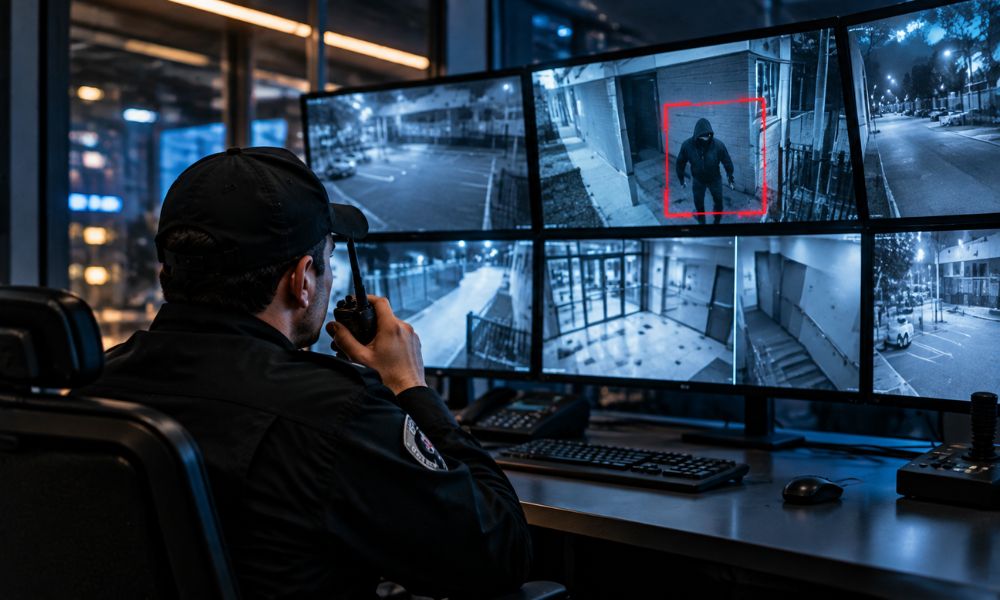
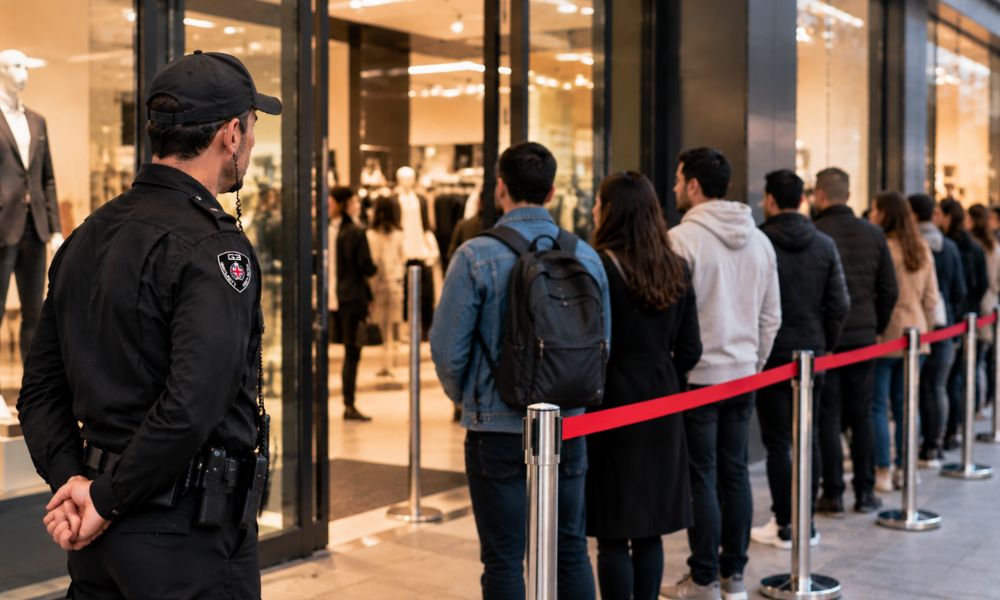
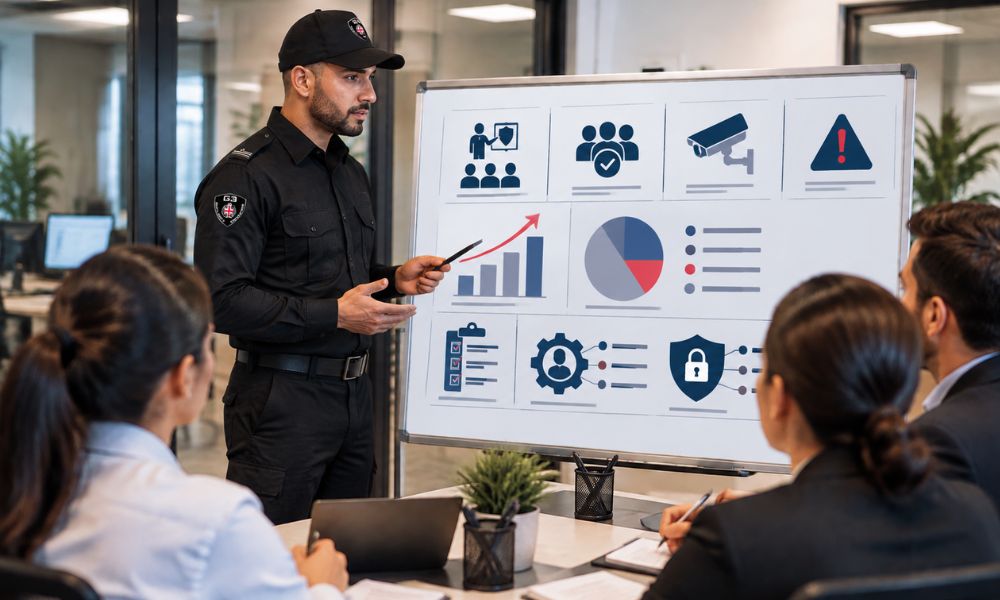
In today’s unpredictable world, safeguarding your business premises isn’t just an option; it’s a necessity. With the ever-present threat of theft, vandalism, and unauthorised access, having security guards in place is crucial for the safety and security of your business. Security guards also provide a sense of reassurance to employees and customers, fostering a positive work environment and enhancing customer trust. Their presence acts as a visible deterrent, dissuading potential wrongdoers and minimising the likelihood of security incidents. Moreover, security guards are trained to handle challenging situations with professionalism and tact, de-escalating conflicts and maintaining order effectively. In this blog post, we’ll delve into why security guards are important for business organisations, emphasising the significance of professional security guard services in the UK. 1. Protection Against Threats One of the primary reasons businesses invest in security guards is to protect their assets, employees, and customers from potential threats. Whether it’s deterring burglars after hours or preventing unauthorised individuals from entering restricted areas, security guards act as a visible deterrent against crime. Their mere presence can significantly reduce the risk of criminal activity, providing peace of mind to business owners and stakeholders. Security guards undergo rigorous training to handle various security scenarios, including emergency situations such as fires or medical emergencies. Their swift response and decisive actions can help mitigate risks and minimise potential harm to individuals and property. By maintaining a vigilant presence and being prepared for any eventuality, security guards play a crucial role in ensuring the overall safety and security of the business premises. 2. Emergency Response In the event of an emergency situation such as a break-in, fire, or medical incident, security guards are trained to respond swiftly and effectively. Their training equips them with the necessary skills to handle various emergency scenarios, minimising damage and ensuring the safety of everyone on the premises. Having trained professionals onsite can make all the difference in mitigating risks and preventing potential disasters from escalating. Security guards often collaborate closely with emergency responders such as firefighters, and paramedics, facilitating a coordinated and efficient response to emergencies. Their familiarity with the premises enables them to guide emergency personnel to the affected areas swiftly, ensuring a prompt resolution of the situation. By acting as first responders in critical situations, security guards contribute significantly to the overall safety and well-being of the business establishment and its occupants. 3. Customer Service Beyond their role in security enforcement, security guards also play a crucial role in providing customer service. They serve as the first point of contact for visitors, assisting them with directions, answering inquiries, and ensuring a welcoming environment. By combining security responsibilities with customer service duties, security guards contribute to the overall positive experience of individuals interacting with the business. security guards serve as ambassadors for the business, representing its commitment to safety and professionalism. Their friendly demeanour and helpful attitude create a favourable impression on visitors and customers, enhancing the reputation of the business. By seamlessly integrating security and customer service, security guards contribute to a welcoming and secure environment that fosters trust and loyalty among patrons. 4. Asset Protection Businesses invest significant resources in equipment, inventory, and intellectual property. Security guards help protect these valuable assets from theft, damage, or sabotage. Through regular patrols, access control, and surveillance, security guards create a secure environment where assets are safeguarded, reducing the risk of financial losses and operational disruptions. Furthermore, security guards are trained to identify potential security vulnerabilities and implement preventive measures to mitigate risks proactively. Their proactive approach includes conducting security audits, identifying weak points in the security infrastructure, and recommending improvements to enhance overall asset protection. By staying vigilant and adaptive to emerging threats, security guards provide businesses with a proactive defence against potential security breaches and asset losses. 5. Risk Management Effective risk management is essential for the long-term viability of any business. Security guards are trained to identify potential security vulnerabilities and mitigate risks before they escalate into significant problems. By conducting security assessments, implementing security protocols, and monitoring for suspicious activities, security guards contribute to proactive risk management strategies, enhancing the overall resilience of the business. Security guards serve as a visible deterrent to potential threats, signalling to would-be perpetrators that the business takes security seriously. Their presence alone can discourage criminal activity and reduce the likelihood of security incidents occurring. By actively deterring threats and mitigating risks, security guards play a pivotal role in maintaining business continuity and protecting the interests of stakeholders. 6. 24/7 Surveillance Criminal activities can occur at any time, day or night. Having security guards stationed onsite provides round-the-clock surveillance and protection for business premises. Whether it’s conducting patrols, or responding to alarms, security guards maintain vigilance to detect and deter potential security threats, even during non-operational hours. The presence of security guards offers a human element to surveillance, allowing for immediate response and intervention in case of suspicious activity. This real-time monitoring capability enhances the effectiveness of security measures and reduces the likelihood of security breaches going undetected. By providing continuous surveillance and rapid response capabilities, security guards ensure comprehensive protection for the business premises, bolstering peace of mind for owners and stakeholders alike. 7. Customised Security Solutions Every business is unique, with its own set of security challenges and requirements. Security guard services can be tailored to address specific needs and concerns of individual businesses. Whether it’s retail security, event security, corporate security, or industrial security, G3 Security Services offer customised solutions to meet the diverse needs of their clients. Moreover, security guard companies often conduct thorough assessments of the business premises to identify potential vulnerabilities and areas of concern. This personalised approach enables them to develop tailored security plans that align with the specific needs and priorities of each client. By collaborating closely with businesses and adapting their strategies accordingly, security guard services ensure optimal protection and peace of mind for clients across various industries and settings. Conclusion In conclusion, security guards are indispensable assets for business organisations

What is Concierge Security Guarding?

In today’s dynamic business landscape, ensuring the safety and security of your premises is paramount. As threats continue to evolve, traditional security measures may not always suffice. This is where concierge security guarding steps in, offering a comprehensive solution that combines vigilant surveillance with personalized customer service. Concierge security guarding goes beyond traditional security services by integrating advanced technologies and tailored security protocols. This multifaceted approach not only deters potential threats but also fosters a safe and welcoming environment for employees and visitors alike. As businesses strive to adapt to ever-changing security challenges, concierge security guarding emerges as a proactive and effective solution for safeguarding valuable assets and maintaining peace of mind. In this blog post, we’ll delve into what concierge security guarding entails, its benefits for businesses, and why partnering with a reputable security provider like G3 Security Services is essential. Defining Concierge Security Guarding Concierge security guarding goes beyond traditional security services by blending the roles of a security guard with those of a concierge. While maintaining a watchful eye on the premises to prevent unauthorized access and deter criminal activity, concierge security guards also offer a range of customer-focused services. These may include greeting visitors, managing access control systems, handling inquiries, and providing assistance to employees and guests. Concierge security guarding epitomizes the fusion of security expertise with hospitality-oriented customer service. It represents a paradigm shift in security management, where guards not only act as sentinels but also as ambassadors of your brand, enhancing the overall experience of those interacting with your establishment. By seamlessly integrating security responsibilities with concierge duties, businesses can create a welcoming and secure environment that leaves a lasting positive impression on clients and guests. The Importance of Concierge Security Guarding 1. Enhanced Security: By combining vigilant surveillance with proactive customer service, concierge security guarding enhances the overall security posture of your business. Trained guards act as a visible deterrent to potential threats while also responding swiftly to any security incidents. Concierge security guarding provides a layered approach to security, where guards are not just reactive but also proactive in their approach. This proactive stance allows them to identify and address security vulnerabilities before they escalate into major incidents, thus minimizing risks effectively. Moreover, the presence of trained guards adds a sense of reassurance and safety for employees, clients, and visitors, contributing to a more secure and conducive working environment. 2. Improved Customer Experience: Concierge security guards serve as the first point of contact for visitors and employees, offering a friendly and professional demeanor. This not only contributes to a positive customer experience but also fosters a sense of safety and reassurance among occupants. Additionally, by efficiently managing access control systems and providing assistance with inquiries, concierge security guards streamline the entry process, reducing wait times and enhancing convenience for everyone. Their proactive approach to customer service ensures that any concerns or queries are promptly addressed, further elevating the overall experience. Ultimately, the combination of exceptional security measures and personalized attention creates a welcoming atmosphere that leaves a lasting impression on visitors, enhancing the reputation and credibility of your business. 3. Tailored Solutions: Unlike one-size-fits-all security approaches, concierge security guarding allows for customized solutions tailored to the specific needs and requirements of each client. Whether it’s managing access for high-profile events or conducting regular patrols in a corporate environment, security protocols can be adapted accordingly. This tailored approach ensures that security measures are aligned with the unique challenges and vulnerabilities of your business, optimizing effectiveness and minimizing potential gaps in protection. Furthermore, by collaborating closely with clients to understand their specific concerns and priorities, concierge security providers can offer proactive recommendations and implement proactive strategies to address emerging threats. 4. Risk Mitigation: By proactively identifying and addressing security vulnerabilities, concierge security guarding helps mitigate risks before they escalate into major incidents. This proactive approach is particularly crucial for businesses operating in high-risk environments or those with valuable assets to protect. Through regular risk assessments and continuous monitoring, potential threats are identified early, allowing for swift and effective mitigation strategies to be implemented. Additionally, the presence of concierge security guards instills confidence among stakeholders and investors, showcasing a commitment to safeguarding assets and maintaining business continuity. 5. 24/7 Protection: With round-the-clock monitoring and support, concierge security guarding provides uninterrupted protection for your premises. Whether it’s during business hours, after hours, or weekends, you can have peace of mind knowing that your property is in safe hands. The 24/7 presence of concierge security guards ensures rapid response to any security incidents or emergencies, minimizing potential damage or losses. This constant vigilance acts as a deterrent to would-be perpetrators, significantly reducing the likelihood of security breaches. Additionally, the seamless coordination between onsite guards and remote monitoring systems ensures comprehensive coverage, leaving no gaps in your security strategy. Choosing the Right Security Partner When it comes to implementing concierge security guarding for your business, partnering with a reputable security services provider is key. G3 Security Services boasts a proven track record of excellence, with a team of highly trained professionals dedicated to delivering top-notch security solutions. Our commitment to customer satisfaction is unparalleled, as evidenced by our long-standing client relationships and positive testimonials. Moreover, our innovative approach to security leverages the latest technologies and best practices, ensuring that our clients receive cutting-edge protection tailored to their specific needs. Here’s why G3 Security Services stands out. 1. Experience and Expertise: With years of experience in the security industry, G3 Security Services brings a wealth of expertise to the table. Our team comprises highly trained security professionals who are equipped to handle diverse security challenges effectively. Our extensive experience spans various sectors, including corporate security, retail security, and event security, giving us a comprehensive understanding of industry-specific security requirements. Additionally, our commitment to ongoing training and professional development ensures that our team remains at the forefront of security innovation and best practices. Clients can trust in our seasoned expertise to provide tailored solutions that effectively address their security

The Importance of Physical Security Risk Assessment 

Physical security risk assessment is a vital process for organisations to proactively identify and address potential security threats. Businesses can develop tailored strategies to mitigate risks by carefully evaluating vulnerabilities and assessing hazards. As a result, their assets, employees, and operations are protected. Discover the importance of physical security risk assessment in identifying potential risks. Strengthen your organisation’s security posture with this expert guide. In this blog post, we will discuss the significance of conducting a thorough physical security risk assessment and how it can help organisations enhance their overall security position. From identifying potential weaknesses to implementing effective security measures, discover how a comprehensive security risk assessment can play an important role in keeping your company safe. What is a Physical Security Assessment? A physical security assessment is a comprehensive evaluation of an organisation’s physical security measures and infrastructure. It involves identifying potential vulnerabilities and threats to a building. Typically, the assessment includes a thorough examination of the site’s layout, access control systems, alarm systems, and other security features that might be present. A skilled security professional conducts the assessment and analyses existing security measures, policies, and procedures. The goal is to identify weaknesses in the security infrastructure and recommend improvements to improve protection against unauthorised access, theft, vandalism, or other security risks. The goal of the assessment is to help businesses establish a solid foundation for effective security protocols and keep their premises and assets safe. Benefits of Physical Security Risk Assessments Physical security risk assessments are essential for organisations looking to safeguard their assets, employees, and operations. These assessments offer a comprehensive analysis of potential threats, vulnerabilities, and the effectiveness of current security measures. By conducting a thorough risk evaluation, businesses gain valuable insights into the specific areas that require improvement, enabling them to implement targeted strategies for risk mitigation. This proactive approach not only enhances overall security but also ensures regulatory compliance and optimised resource allocation. Furthermore, risk assessments help organisations make informed decisions about security investments, leading to cost-effective solutions that protect against potential threats while supporting long-term business resilience. Improving Business Resilience and Risk Management: A security risk assessment identifies all your critical assets, vulnerabilities, and business controls. These assessments allow organisations like yours to better understand their vulnerabilities and develop strategies to minimise risks. In addition, the detailed risk assessment reports provide valuable insights into areas of concern and help businesses implement the right security measures. Being proactive helps improve business resilience and risk management, ultimately ensuring the safety and protection of assets, employees, and operations. Understanding of Risk: Physical security risk assessments are crucial for developing an accurate understanding of the risks that a facility faces. A detailed evaluation of assets, threats, and associated vulnerabilities is a way for a company to quantify risk exposure. Businesses can use these data-driven insights to determine which areas are most susceptible to breaches, theft, or acts of violence. In return, security leaders can implement appropriate controls, enforce policies, allocate resources, and address pressing vulnerabilities. Vulnerability Identification and Remediation: Another benefit of physical security risk assessments is their ability to identify vulnerabilities and drive solutions. By conducting these assessments, organisations can evaluate their existing security policies and systems to determine how effective they are in minimising threats. These assessments allow for the identification of potential threats and vulnerabilities and help organisations develop targeted risk strategies. This allows businesses to enhance their overall physical security and reduce their exposure to potential security breaches. Cost Mitigation: Organisations are also able to identify vulnerabilities and implement the right solutions in a cost-effective manner. Rather than taking a one-size-fits-all approach, an in-depth risk assessment pinpoints specific facility weaknesses, high-value targets, and security gaps. Rather than taking a one-size-fits-all approach, companies can be specific based on their site needs. This precise risk analysis leads to more efficient spending as it reveals the ideal technologies and level of protection required for each company. Regulatory Compliance: Conducting a security risk assessment is key to maintaining compliance with industry regulations. A comprehensive evaluation helps find gaps in meeting required security controls, protocols, and best practices. The assessment helps flag areas that need to improve to meet legal obligations, certification standards, and insurance policies. By determining specific vulnerabilities and deficiencies, a security risk assessment acts as a roadmap to address issues and demonstrate adherence. Informed Decision Making: Physical security risk assessments provide decision-makers with data-driven insights that help them strategically allocate resources to safeguard critical company assets. A risk analysis quantifies the potential impacts of various threats, allowing the leader and the company to take preventative measures accordingly. Risk assessments give security managers the information they need to make smart investments in capabilities that offer the best protection. Steps to a Complete Physical Risk Security Assessment A Complete Physical Risk Security Assessment involves several key steps to ensure robust security. It begins with inspecting facilities to evaluate existing controls and identify vulnerabilities. Next, it focuses on identifying risk factors by assessing business operations and potential threats. An audit of current security systems follows, revealing gaps and weaknesses. Reviewing operating procedures helps uncover vulnerabilities in policies and protocols. Finally, specific physical security risks are assessed to develop targeted measures for enhancing protection and safeguarding assets. This thorough process ensures all potential threats are addressed effectively. Inspect Your Facilities and Sites: The first step is to inspect your facilities and sites to evaluate your existing physical security controls such as access control systems, surveillance cameras, and security personnel presence. This step includes identifying any potential vulnerabilities or weaknesses in the physical infrastructure and assessing potential risks. This thorough inspection gives you a comprehensive understanding of the security measures in place and determines areas that need improvement to mitigate risks. Identify Your Risk Factors: The next step in conducting a thorough physical security risk assessment is to identify your risk factors. You’ll need to carefully evaluate your business operations and identify vulnerabilities that could pose a risk to your physical security. This can include aspects such as

6 Important Things to Know Before Hiring a Security Guard Service

Introduction When it comes to safeguarding your business, property, or event, hiring a professional security guard service is a wise decision. Security guards play a crucial role in protecting assets, deterring potential threats, and maintaining a safe environment. However, selecting the right security guard service requires careful consideration and research. In this blog, we will explore six important things you should know before hiring a security guard service to ensure the safety and well-being of your organisation and its stakeholders. 1. Accreditation and Licensing Before you consider any security guard service, verify their SIA accreditation and licensing. Reputable security companies adhere to industry standards and regulations, and they should be licensed to operate in your specific area. Request proof of their licensing and cross-check it with the relevant authorities. Accredited security firms employ well-trained guards who are equipped to handle various security challenges effectively. 2. Experience and Expertise Experience is a key factor when choosing a security guard service. Look for a company with a proven track record and substantial experience in providing security solutions for businesses or events similar to yours. Experienced security guards are more likely to handle emergencies calmly and efficiently, making them an invaluable asset in critical situations. 3. Training and Qualifications A professional security guard service invests in comprehensive training for its personnel. Inquire about the training programs the guards undergo and assess whether they are equipped with the necessary skills for your specific security needs. Qualified security guards should have training in conflict resolution, first aid, surveillance, access control, and other relevant areas. 4. Range of Services Evaluate the range of services offered by the security guard company. Depending on your requirements, you might need mobile patrols or specialised security teams. Choose a service provider that can tailor its offerings to meet your unique needs and address potential security vulnerabilities in your premises. 5. Reviews and Reputation Before finalising your decision, take the time to read online reviews and testimonials about the security guard service you are considering. A company’s reputation can provide valuable insights into its reliability, professionalism, and the quality of service they deliver. Look for positive feedback from previous clients, as it is a strong indicator of customer satisfaction and a well-established reputation. 6. Customization and Communication Effective security services require open and clear communication between the client and the security provider. Choose a company that emphasises communication and is willing to work closely with you to understand your security concerns and tailor a suitable security plan. A personalised approach to security will ensure that your specific needs are met, and potential risks are mitigated effectively. Conclusion Selecting the right security company is a critical decision that directly impacts the safety and protection of your business or event. By considering the factors mentioned in this blog, such as accreditation, experience, training, and reputation, you can make an informed choice that aligns with your security requirements. Investing in a professional and reliable security guard service will provide you with peace of mind and a safer environment for all stakeholders involved. So, take the time to research and compare security companies to find the best fit for your organisation’s security needs. If you have any questions or need assistance, don’t hesitate to contact us for expert advice and customised security solutions. Your safety is our top priority.

What is Logistics Security? Key Challenges & Solutions

Introduction In today’s fast-paced global economy, logistics security has become a crucial component of supply chain management. As businesses rely on complex transportation networks to move goods efficiently, ensuring the safety and security of these assets is essential. Logistics security involves safeguarding cargo, transportation infrastructure, and personnel from theft, damage, and other risks. In this blog, we will explore what logistics security entails, the key challenges faced by businesses, and the most effective solutions to mitigate security threats. What is Logistics Security? Logistics security refers to the strategies, policies, and technologies implemented to protect supply chains from theft and operational disruptions. It encompasses various aspects, including physical security, risk management, and regulatory compliance. Effective logistics security ensures that goods reach their intended destinations without compromise, minimizing financial losses and maintaining the trust of clients and partners. Whether a business transports goods by road, sea, rail, or air, logistics security is a critical factor in sustaining smooth operations. Key Challenges in Logistics Security Logistics security faces numerous challenges that can disrupt supply chain operations and lead to significant financial and reputational losses. Companies must be prepared to tackle these issues by implementing robust security measures and staying ahead of evolving threats. Below are some of the most pressing security challenges in the logistics sector. 1. Theft and Pilferage High-value goods in transit are prime targets for theft. Criminals exploit weak security measures at warehouses, loading docks, and during transportation. Strengthening cargo protection with tracking systems, secure packaging, and guarded transport can significantly reduce this risk. 2. Supply Chain Disruptions Natural disasters, geopolitical tensions, and unexpected global events (such as pandemics) can severely impact supply chains. Delays, increased costs, and shortages may occur when alternative routes or suppliers aren’t readily available. A well-prepared contingency plan can help mitigate these disruptions. 3. Unauthorized Access and Facility Security Warehouses and distribution centers often house valuable goods, making them vulnerable to unauthorized access. Weak access control measures can result in theft, tampering, or safety breaches. Strengthening physical security with surveillance cameras, biometric entry systems, and trained security personnel helps prevent such risks. Effective Logistics Security Solutions To mitigate these challenges, companies must adopt a multi-layered security approach that incorporates advanced technology, stringent security policies, and employee training. A comprehensive security strategy helps safeguard every stage of the supply chain from potential threats. Below are some effective solutions: 1. Remote Monitoring Advanced remote monitoring solutions allow logistics companies to oversee security operations from a centralized location. Smart surveillance systems can detect suspicious activities and send real-time alerts. This approach helps reduce security costs while maintaining high levels of protection. Remote monitoring also enables security teams to respond to incidents more efficiently, minimizing potential damage. 2. Security Personnel and K9 Units Hiring trained security guards and deploying K9 units can significantly deter criminal activities. Security personnel can perform regular patrols, while K9 units enhance detection capabilities for illicit substances and explosives. Security guards stationed at key checkpoints provide an additional layer of protection. Well-trained K9 units can also assist in crowd control and emergency situations. 3. Temporary Warehouse Security For seasonal operations or high-demand periods, temporary warehouse security solutions can help protect inventory. This includes deploying mobile security units, reinforced storage solutions, and temporary surveillance cameras. Temporary security measures ensure flexibility while maintaining optimal protection for goods in transit. 4. Lock and Key Security Physical security measures such as high-quality locks and key management systems prevent unauthorized access to cargo. Companies can implement electronic key tracking systems to monitor access to secured areas. Combining traditional locking mechanisms with digital access control enhances overall security. Why is Logistics Security Important? Logistics security plays a vital role in safeguarding goods, ensuring smooth supply chain operations, and preventing disruptions. Without proper security measures, businesses face risks that can lead to significant financial and reputational damage. Prevents Theft and Cargo Loss: Strong security measures help protect valuable goods from theft, pilferage, and hijacking during transit and storage. Reduces Financial Losses: Logistics security minimizes losses caused by stolen goods, damaged shipments, and operational disruptions. Enhances Supply Chain Efficiency: Secure transportation and storage ensure smooth operations, reducing delays and improving delivery timelines. Protects Against Cyber Threats: Robust cybersecurity measures prevent data breaches, ransomware attacks, and unauthorized access to logistics systems. Ensures Regulatory Compliance: Following security regulations and industry standards helps businesses avoid legal issues and penalties. Strengthens Customer Trust: Reliable security measures reassure clients that their shipments are protected, enhancing brand reputation and customer loyalty. Mitigates Operational Disruptions: Security measures such as real-time monitoring and risk assessment help businesses quickly respond to security threats and unforeseen incidents. Supports Business Continuity: A well-secured logistics network minimizes risks that could halt operations, ensuring long-term stability and growth. How Can You Acquire Logistics Security? Protecting your supply chain requires professional security solutions tailored to your business needs. G3 Security Services provides comprehensive logistics security, including trained security guards, K9 units, remote monitoring, and warehouse protection to safeguard your assets. Our expert team offers 24/7 surveillance and access control to prevent theft and unauthorized access. Whether you need temporary warehouse security, on-site patrols, or advanced monitoring solutions, we offer customized services to keep your operations secure. Partner with G3 Security Services today for trusted and reliable logistics security that protects your supply chain from end to end. Conclusion Logistics security is a critical aspect of supply chain management that requires a proactive and multi-layered approach. Businesses must invest in advanced security solutions and train personnel to mitigate risks effectively. G3 Security Services specializes in providing top-tier security solutions tailored to the logistics industry. Our highly trained security professionals and K9 units ensure the safety of your assets throughout the supply chain. Contact us today to learn more about how we can help secure your logistics operations.

Static Guarding vs Mobile Patrols: Which is Right for You?

Security is a critical concern for businesses, residential areas, and public institutions across the UK. Choosing the right security solution is essential to protecting assets, employees, and residents. Two of the most commonly used security services are static guarding and mobile patrols. Each has its unique benefits and is suited for different scenarios. In this blog, we will explore the differences between static guarding and mobile patrols to help you determine which is the best option for your security needs. What is Static Guarding? Static guarding refers to security personnel stationed at a specific location, such as an entrance, reception area, or a construction site. These guards remain on-site for the duration of their shift and provide a constant security presence. They help enforce security protocols, ensuring that only authorized individuals gain access to restricted areas. Their presence can also deter theft, vandalism, and other criminal activities. Static guards often act as the first point of contact for visitors and employees, providing assistance and enhancing the overall security environment. Key Responsibilities of Static Guards: Static guards play a crucial role in maintaining security by providing a constant presence and monitoring activities within a specific location. Their responsibilities include: Monitoring CCTV and security systems Checking IDs and controlling access points Conducting regular inspections of premises Handling emergency situations and coordinating with law enforcement Assisting visitors and employees with security concerns Preventing unauthorized access and deterring criminal activity Benefits of Static Guarding: Static guarding provides numerous advantages for businesses and organizations that require a dedicated security presence. Here are some of the key benefits: Constant Security Presence: A visible deterrent to potential criminals. Immediate Response: Security threats are addressed instantly. Access Control: Guards ensure only authorized personnel enter restricted areas. Customer Assistance: They can assist visitors, employees, or residents. Adaptability: Can be deployed for various locations, including office buildings, retail stores, and events. Increased Employee and Customer Confidence: A secure environment helps employees and customers feel safer. Reduction in Theft and Vandalism: The presence of static guards significantly decreases criminal activities. Best Uses for Static Guarding: Static guarding is essential for locations that demand continuous surveillance and a strong security presence to deter threats. Here are some key places where static guarding is highly effective: Corporate offices Construction sites Retail stores Events and public gatherings Hotels and hospitality establishments What are Mobile Patrols? Mobile patrols involve security personnel conducting scheduled or random patrols of a designated area, such as a business park, residential community, or industrial site. These patrols can be carried out on foot or by vehicle, depending on the size of the premises. Mobile patrol officers provide an effective security presence by covering larger areas and responding quickly to potential threats. Their unpredictable movements make it difficult for criminals to anticipate security patterns, thereby enhancing protection. Key Responsibilities of Mobile Patrol Officers: Mobile patrol officers play a crucial role in ensuring the safety of businesses and residential areas by conducting thorough inspections and responding to security threats. Their responsibilities include: Conducting perimeter and site inspections Checking for signs of forced entry, vandalism, or unauthorized access Responding to alarms and emergencies Locking and unlocking premises Reporting security incidents and suspicious activity Providing rapid response when needed Ensuring compliance with security protocols and regulations Coordinating with local law enforcement when required Benefits of Mobile Patrols: Mobile patrols provide businesses and residential areas with a flexible and cost-effective security solution. This approach ensures a high level of protection while maintaining affordability. Here are some key benefits of mobile patrols that make them an effective security solution. Cost-Effective: Ideal for businesses that require security but do not need a constant presence. Coverage of Large Areas: Suitable for industrial estates, business parks, and residential neighborhoods. Flexible Security Approach: Patrols can be customized based on client requirements. Quick Response Time: Officers can respond promptly to alarms and disturbances. Surprise Factor: Criminals cannot predict when security personnel will be present, reducing the risk of incidents. Highly Visible Deterrence: The presence of mobile patrols discourages potential intruders. Customizable Schedules: Patrol frequency and timing can be adjusted according to security needs. Best Uses for Mobile Patrols: Mobile patrols are crucial for locations that require regular security checks and a proactive approach to deter potential threats. Here are some key places where mobile patrols are highly effective: Warehouses and industrial estates Large business complexes Residential communities Parking lots and garages Schools and universities Static Guarding vs Mobile Patrols: A Comparative Analysis Feature Static Guarding Mobile Patrols Security Presence Continuous, stationed at one location Intermittent, covers multiple areas Cost Higher due to full-time presence More affordable, suitable for large areas Response Time Immediate action within the premises Can take time to reach a location Deterrent Effect Strong deterrent due to visibility Unpredictable presence deters criminals Best for Businesses needing constant monitoring Large areas needing periodic checks Flexibility Limited to one location Can cover multiple sites in a single shift How to Choose the Right Security Solution? Selecting between static guarding and mobile patrols depends on various factors, including the nature of your business, security risks, and budget. Consider the following aspects: 1. Level of Security Required If your business requires constant monitoring and strict access control, static guarding is the better choice. However, if you only need periodic inspections and alarm response, mobile patrols are more cost-effective. Businesses dealing with high-value goods or sensitive information benefit more from a static presence, while those needing flexible security coverage can rely on mobile patrols. 2. Size of the Premises For smaller, high-risk locations, static guards ensure round-the-clock surveillance. For large, low-risk areas, mobile patrols can provide sufficient security coverage. The nature of your site layout and access points also influence the effectiveness of each security solution. 3. Type of Business Retail stores, corporate offices, and hotels often require static guards to control access and assist visitors. Warehouses, construction sites, and residential areas benefit from mobile patrols due to their flexibility. In particular, industries prone to vandalism or theft may require a combination

What Are The Types of Security Guards Services?

Introduction In today’s fast-paced world, security concerns are prevalent across various industries and environments. From corporate offices to construction sites, from bustling events to tranquil hotels, the need for reliable security solutions has never been greater. Security guard services encompass a wide array of specialised offerings, each tailored to address the unique security challenges faced by different sectors. The role of security guard services has evolved to encompass proactive risk mitigation and rapid response capabilities. With a focus on prevention, deterrence, and incident management, security guards serve as the frontline defenders of safety and security in today’s complex landscape. By understanding the multifaceted nature of security challenges and employing tailored security solutions, organisations can effectively mitigate risks, protect assets, and uphold the well-being of individuals within their environments. In this comprehensive guide, we’ll explore the diverse types of security guard services, shedding light on their roles, significance, and applications in safeguarding people, assets, and premises. 1. Corporate Office Security Corporate office security services are essential for maintaining a safe and secure environment within office premises. Trained security personnel monitor access points, conduct regular patrols, and implement security protocols to prevent unauthorised entry, theft, and disturbances. Their presence instils confidence among employees, visitors, and stakeholders, fostering a productive and secure workspace conducive to business operations. Regular training sessions ensure that security personnel are equipped with the necessary skills to handle various situations effectively. By upholding a strong presence and enforcing stringent security measures, these professionals safeguard valuable assets and confidential information, reinforcing the integrity of the organisation. 2. Concierge Security Concierge security services blend hospitality and security expertise to deliver personalised assistance and protection to clients in hotels. Concierge security professionals greet guests, manage access control, and provide information and assistance while maintaining a vigilant watch over the premises. Their dual role enhances the customer experience while ensuring a safe and welcoming environment for residents and guests. Concierge security personnel are trained to handle emergencies with composure and efficiency, offering immediate assistance in situations such as medical emergencies or security breaches. They serve as a visible deterrent to potential threats while fostering a sense of trust and comfort among residents and visitors. By seamlessly integrating hospitality with security measures, concierge security services elevate the overall quality of service and contribute to the reputation and success of the establishment they serve. 3. Construction Security Construction sites present unique security challenges due to their open nature and high-value equipment and materials. Construction security services deploy trained guards to monitor entry points, deter theft and vandalism, and enforce safety regulations. By implementing access control measures, conducting patrols, construction security teams safeguard assets, prevent unauthorised access, and mitigate risks associated with theft and liability. Construction security personnel collaborate closely with site managers and project teams to assess security vulnerabilities and develop customised security plans tailored to the specific needs of each construction site. Their proactive approach includes regular risk assessments and adjustments to security protocols as the project progresses, ensuring comprehensive protection throughout the construction process. By maintaining a visible presence and promptly addressing any security concerns, construction security services contribute to the smooth operation and timely completion of projects while minimising potential disruptions and losses. 4. Event Security Events, ranging from corporate conferences to music festivals, require specialised security measures to ensure the safety and well-being of attendees and participants. Event security services employ crowd management strategies, access control measures, and emergency response protocols to mitigate risks and maintain order. Trained security personnel monitor crowds, handle emergencies, and coordinate with event organisers and local authorities to ensure a smooth and secure event experience. Event security teams conduct thorough risk assessments prior to the event, identifying potential threats and vulnerabilities to develop comprehensive security plans. They deploy advanced technology such as surveillance cameras and metal detectors to enhance security measures and detect any suspicious activity promptly. By providing a visible presence and fostering a sense of security among attendees, event security services contribute to the success and reputation of the event while prioritising the safety and enjoyment of all participants. 5. Hotel Security Hotel security services play a crucial role in providing a safe and secure environment for guests, staff, and property. Security guards stationed at key areas such as entrances, lobbies, and parking lots deter criminal activity, respond to emergencies, and assist guests as needed. Hotel security teams are trained to handle various situations discreetly while upholding the reputation and hospitality standards of the establishment. Furthermore, hotel security personnel conduct routine patrols of the premises, including guest floors and other vulnerable areas, to ensure continuous monitoring and quick response to any security concerns. They collaborate closely with hotel management to implement security protocols, including access control measures and surveillance systems, tailored to the specific needs and layout of the property. By maintaining a proactive and vigilant approach, hotel security services contribute to a positive guest experience, enhancing satisfaction and loyalty while safeguarding the hotel’s assets and reputation. 6. Retail Security Retail security services are vital for protecting merchandise, deterring theft, and ensuring a positive shopping experience for customers. Security guards stationed within retail stores deter shoplifting, and provide customer assistance when required. Their proactive presence helps minimise losses due to theft and enhances the overall security and profitability of retail establishments. Retail security personnel are trained to recognize and respond to suspicious behaviour effectively, intervening discreetly to prevent theft while maintaining a welcoming atmosphere for legitimate shoppers. They collaborate with store management to implement loss prevention strategies, such as inventory control and employee training programs, to mitigate security risks and protect profit margins. By fostering a sense of safety and trust among customers, retail security services contribute to increased customer satisfaction and loyalty, ultimately driving business success. 7. Industrial and Warehouse Security Industrial and warehouse facilities house valuable assets, equipment, and inventory that require protection against theft, vandalism, and unauthorised access. Security guards deployed at industrial sites conduct perimeter patrols, and enforce safety protocols to prevent security breaches and disruptions to operations. Their

What Does an Event Security Guard Do?

In the realm of event management, ensuring the safety and security of attendees, performers, and assets is paramount. Whether it’s a bustling concert, a high-profile corporate gathering, or a local community festival, event organizers recognize the critical role of event security guards in maintaining order and safeguarding against potential risks. In addition to their crucial role in maintaining order and safety, event security guards also serve as ambassadors of professionalism and reassurance for attendees. Their presence not only deters potential threats but also instills confidence among event participants, fostering a sense of trust and comfort. With their extensive training and expertise, event security guards stand ready to address any security challenges swiftly and effectively, allowing event organizers to focus on delivering memorable experiences for their guests. In this blog post, we delve into the multifaceted responsibilities of event security guards and shed light on their indispensable contributions to creating safe and enjoyable environments for all. Understanding Event Security Event security entails a comprehensive approach to risk management and protection. Event security guards are trained professionals who specialize in maintaining order, enforcing regulations, and responding effectively to any security concerns that may arise during an event. Their primary objective is to ensure the safety and well-being of everyone involved, while also safeguarding the venue and its assets. Furthermore, event security guards undergo continuous training and certification to stay updated on the latest security protocols and techniques. They collaborate closely with event organizers, local authorities, and emergency responders to develop comprehensive security plans tailored to each event’s unique requirements. By proactively identifying potential risks and vulnerabilities, security guards play a proactive role in preventing security breaches and mitigating potential threats before they escalate. Key Responsibilities of Event Security Guards 1. Crowd Control One of the primary responsibilities of event security guards is managing crowds effectively. They are adept at regulating the flow of foot traffic, preventing overcrowding in designated areas, and mitigating any potential conflicts that may arise among attendees. Event security guards employ strategies such as signage, barriers, and communication systems to facilitate smooth crowd movement and navigation within the venue. They remain vigilant to identify early signs of tension or congestion, proactively intervening to maintain a safe and orderly environment. By maintaining a visible presence and implementing crowd control measures, security guards contribute to the overall positive experience of event attendees while minimizing the risk of accidents or incidents. 2. Access Control Event security guards play a crucial role in controlling access to restricted areas within the venue. They verify credentials, enforce entry regulations, and monitor entrances and exits to prevent unauthorized individuals from gaining entry. Event security guards utilize advanced access control systems and technologies to enhance the effectiveness of their monitoring efforts. Additionally, security guards maintain meticulous records of individuals entering and exiting the venue, facilitating swift identification and resolution of any security breaches or incidents. By maintaining strict access control measures, they uphold the integrity of the event space and minimize the risk of unauthorized activities. 3. Patrol and Surveillance Event security guards conduct regular patrols throughout the venue to identify any security vulnerabilities or suspicious activities. Through vigilant surveillance and observation, they maintain a proactive stance in deterring potential threats. Furthermore, event security guards leverage advanced surveillance technology to enhance their patrol efforts. These tools enable them to monitor large areas of the venue simultaneously and detect any unusual behavior or unauthorized access in real-time. In addition to physical patrols, security guards coordinate with remote monitoring teams to ensure comprehensive coverage and response capabilities. By combining physical presence with technological surveillance, they create a robust security infrastructure that serves as a deterrent to potential threats and enhances overall safety for event attendees. 4. Emergency Response In the event of an emergency situation such as a medical incident, fire, or security breach, event security guards are trained to respond swiftly and decisively. They coordinate with emergency services, implement evacuation procedures, and provide assistance to ensure the safety of attendees. Event security guards undergo specialized training in first aid, CPR, and emergency response protocols to effectively address medical emergencies onsite. They are equipped with essential medical supplies and equipment to provide immediate assistance. Additionally, security guards collaborate closely with venue staff and emergency responders to execute evacuation plans efficiently and evacuate attendees to designated safe zones. By remaining calm and organized in high-pressure situations, they play a critical role in minimizing potential injuries and ensuring a swift and coordinated response to emergencies. 5. Asset Protection Event security guards are tasked with protecting valuable assets such as equipment, merchandise, and infrastructure. They implement security measures to prevent theft, vandalism, or damage to property, thereby safeguarding the interests of event organizers and stakeholders. Additionally, event security guards conduct thorough pre-event inspections to identify any potential security vulnerabilities or weaknesses in asset protection measures. They collaborate closely with event organizers to develop customized security plans tailored to the specific needs and layout of the venue. Moreover, security guards maintain a visible presence throughout the event, deterring potential thieves or vandals and providing a sense of reassurance to attendees and exhibitors alike. Through their proactive approach to asset protection, security guards help to uphold the integrity of the event and preserve the investments of all stakeholders involved. Benefits of Hiring Professional Event Security 1. Peace of Mind By enlisting the services of a reputable event security company, organizers can have peace of mind knowing that trained professionals are overseeing the safety and security of their event. Additionally, these companies employ stringent vetting processes and background checks to ensure that their security personnel are highly qualified and trustworthy individuals. By entrusting their event security needs to experienced professionals, organizers can focus their energy and resources on delivering a seamless and unforgettable experience for attendees. 2. Enhanced Safety Professional event security guards possess the expertise and resources to effectively mitigate security risks and respond to emergencies, thereby enhancing the overall safety of the event environment. Professional event security guards undergo regular training to

The Importance of Security in Luxury Retail Stores

Introduction Luxury retail stores are prime targets for theft, fraud, and security breaches due to their high-value inventory and exclusive clientele. Unlike regular retail stores, luxury boutiques require specialized security strategies to safeguard their merchandise, maintain brand integrity, and ensure a seamless shopping experience. Security in luxury retail isn’t just about preventing theft it plays a vital role in customer trust, business reputation, and overall operational success. Implementing the right security measures can help luxury retailers mitigate risks and enhance their brand value. Understanding Luxury Retail Security Luxury retail security involves strategic measures and technologies designed to protect high-end stores from theft, fraud and other threats while maintaining a premium customer experience. Unlike standard retail stores, luxury boutiques operate in exclusive locations, catering to high-profile clients and housing valuable merchandise, making them prime targets for criminals. These stores often feature open-concept layouts with prominently displayed expensive products, increasing their vulnerability to theft and fraud. Effective security in this sector goes beyond traditional methods, incorporating advanced surveillance and access control solutions tailored to the unique challenges of luxury brands. Common Security Threats in Luxury Retail Luxury retail stores face a range of security threats due to their high-value merchandise and exclusive clientele. From organized retail crime and internal theft to fraudulent transactions, these risks can lead to significant financial losses and reputational damage. Implementing proactive security measures is essential to safeguarding assets and ensuring a secure shopping environment. 1. Shoplifting and Organized Retail Crime Luxury stores are frequent targets for shoplifting and organized retail crime (ORC) due to the high resale value of their products. Shoplifters often work in teams, using distraction tactics to steal expensive items. Organized crime groups conduct planned heists, sometimes involving fake identities, fraudulent transactions, or smash-and-grab robberies. The accessibility of designer bags, jewelry, and watches in display cases makes it easier for criminals to execute thefts within seconds. 2. Employee Theft and Fraud Internal theft is a major concern for luxury retailers, as employees have direct access to high-value merchandise. Dishonest staff members may steal items, manipulate inventory records, or collaborate with external criminals. Fraudulent activities such as refund scams, unauthorized discounts, and credit card fraud are also common. Since employees handle sensitive customer information and payment details, security breaches from within can have severe consequences. 3. Smash-and-Grab Robberies These high-profile crimes involve groups of criminals forcefully breaking into stores and stealing high-value items within minutes. Luxury retailers with large glass windows and expensive merchandise on display are prime targets. Strengthening physical barriers, such as reinforced glass, security grilles, and motion sensors, can help mitigate these risks. 4. VIP and Customer Safety Risks Luxury retail stores often cater to high-profile clients, celebrities, and wealthy individuals who may require additional security measures. Personal security threats, such as stalking, theft attempts, or public disturbances, can affect both the customers and the brand’s reputation. Implementing discrete but effective security protocols ensures the safety of VIP clientele while maintaining an exclusive shopping experience. 5. Supply Chain and Inventory Theft High-end merchandise is vulnerable to theft during transportation, storage, and inventory handling. Criminals may target shipments, warehouse facilities, or even collaborate with insiders to steal goods before they reach the store. Strict tracking systems, GPS-enabled shipments, and regular audits can help minimize supply chain-related theft. Impact of Security on Business Strategy Effective security enhances customer trust, protects assets, and ensures seamless operations in luxury retail. By integrating advanced security measures, brands can prevent losses, maintain exclusivity, and strengthen their reputation. Enhancing Customer Trust and Brand Image: A strong security presence reassures customers that their safety and privacy are priorities. Shoppers in luxury retail stores expect an exclusive and secure experience. Visible security measures such as trained guards, CCTV monitoring, and controlled access points contribute to customer confidence. When customers feel safe, they are more likely to engage in high-value purchases and build long-term loyalty with the brand. Luxury retailers that prioritize security also enhance their brand’s image as a trusted and professional business. Financial Implications: Security investments may seem costly, but the financial losses resulting from theft and fraud can be far greater. Every stolen item in a luxury store represents a significant monetary setback. Data breaches or fraud incidents can lead to legal penalties and reputational damage, further affecting sales. Implementing advanced security solutions, such as AI-powered surveillance, biometric access control, and security measures, helps minimize losses and maximize long-term profitability. Operational Efficiency: Security systems streamline retail operations by preventing disruptions and ensuring a smooth shopping experience. AI-powered surveillance can detect suspicious activities in real-time, allowing store personnel to take proactive measures. Inventory tracking technologies reduce shrinkage and improve stock management. Automated access control prevents unauthorized entry while enabling staff to move freely within designated areas. An integrated security approach enhances operational efficiency, reducing downtime and ensuring business continuity. Best Practices for Luxury Retail Security Implementing advanced security measures is essential to protect high-end stores from theft, fraud, and security threats. Luxury retailers should invest in AI-powered surveillance, strict access controls, and staff training to enhance security. Partnering with professional security services like G3 Security ensures a comprehensive approach, safeguarding assets while maintaining an exclusive shopping experience. Advanced Surveillance Systems: Luxury retailers must invest in high-definition CCTV cameras with real-time monitoring and motion detection. Smart surveillance systems equipped with AI analytics can detect suspicious behavior, track potential threats, and alert security personnel instantly. Facial recognition technology enhances security by identifying known shoplifters or criminals attempting to enter the store. A well-designed surveillance network acts as both a deterrent and a proactive security measure, helping store managers maintain a secure shopping environment. Access Control Measures: Restricting access to high-value inventory and sensitive areas is critical for security in luxury retail. Advanced access control systems, such as biometric authentication, RFID badges, and smart locks, ensure that only authorized personnel can enter specific zones. Luxury stores can also implement appointment-only access for VIP customers, enhancing both exclusivity and security. By limiting unauthorized entry, businesses can prevent internal theft, safeguard inventory, and maintain

Hiring The Right Company to Provide Security for a Special Event

Hosting a special event can be a thrilling experience, and when hosting an event, it is your foremost duty to ensure the well-being of our guests. Ensuring the safety and security of your guests and the event itself is paramount. The planning and executing a special event, whether a grand gala, a high-profile corporate gathering, a music festival, or any other occasion, demands meticulous attention to detail. While event organisers focus on creating memorable experiences for their attendees, they must also prioritise the safety and security of everyone involved. This is where the critical decision of hiring the right security company comes into play.  Ensuring the safety and well-being of event guests, staff, and assets is paramount, and choosing the right security company to provide protection is an essential part of the event-planning process. The success of your special event hinges not only on its entertainment value but also on how effectively potential security threats are mitigated. Our G3 company helps you to have a planned and organised event with a peace of mind. Why Event Security is Critical?  Event security is a critical element in the planning and execution of any special event. It serves as a safeguard against potential threats, ensures safety, and ultimately contributes to the success and positive reputation of the event. By prioritising event security, organisers can create an environment where attendees can enjoy themselves without undue concern for their safety. Here are some key reasons why event security is crucial:  Attendee Safety: Safety And Well-Being Of Your Guests  The primary and most crucial reason for event security is the safety of event attendees. Large gatherings can be targets for various security threats, including criminal activities, terrorism, medical emergencies, and crowd-related incidents. A well-prepared security team can help prevent, respond to, and manage these situations to protect attendees from harm.  Ensuring attendee safety is a paramount responsibility of the event security team. It is essential to verify the identity and credentials of all individuals entering the event, using ticket checks, ID verifications, and bag inspections as necessary. Crowd Control: Prevent Overcrowding To Provide Secure Environment To Your Guests Events often draw diverse and sometimes massive crowds. Proper security measures help maintain order, prevent overcrowding, and manage crowd movements. Effective crowd control ensures attendees enjoy the event in a safe and organised environment.  Crowd control at an event is a critical aspect of ensuring the safety and comfort of attendees. Our G3 company conducts a thorough risk assessment to understand potential crowd-related issues specific to your event. It is necessary to develop a comprehensive crowd management plan that addresses crowd flow, entry and exit points, and potential bottlenecks. Asset Protection: Protect Your Place From Theft, Vandalism, and Damage  Special events often involve valuable assets, equipment, and infrastructure that need protection. Security personnel can safeguard these assets from theft, vandalism, or damage, which can impact the event’s success and financial viability. The event security team plays a significant role in ensuring the security and protection of these assets. The security company creates a comprehensive inventory of all assets that will be used, including equipment, technology, merchandise, and any other valuable items before an event. Reputation Management: Your Image Enhancement  The success of an event can significantly affect an organisation’s or individual’s reputation. A security incident can tarnish that reputation, causing long-term damage. A professional security team can help protect your image by reducing the likelihood of security breaches and providing a rapid response when issues arise.  Security personnel should be trained in conflict resolution and de-escalation techniques to handle difficult situations peacefully, minimising the risk of negative incidents that could damage the event’s reputation. Emergency Response: Minimising Damage  From medical emergencies to natural disasters, events can face various unexpected crises. Security personnel are trained to respond to emergencies quickly and efficiently, potentially saving lives and minimising damage.  The event security team should respond quickly and effectively to any incidents, ensuring that attendees feel safe and supported. Peace of Mind: Safety Confidence  Knowing that a competent security team is in place can provide peace of mind for event organisers and attendees. This confidence allows everyone to focus on enjoying the event contributing to its success.  The event security team plays a critical role in ensuring that attendees, event organisers, and stakeholders can focus on enjoying the event without worrying about their safety and security. Peace of mind is a valuable outcome of effective security measures and professional security personnel. Tips For Hiring An Event Security Team When planning a special event, the safety and security of all participants should be a top priority. Ensuring your event runs smoothly without incident requires careful consideration when hiring an event security team. From preventing potential threats to managing unforeseen challenges, a skilled and professional security team is the cornerstone of a successful event. Here are some considerations while hiring a company for the security of your event:  Do Your Research On Event Security Company: Before making any decisions, it’s crucial to invest time and effort in researching potential event security companies. Begin by assessing the expertise and experience of each security company under consideration. Look for the security company with a proven track record in providing security services for events similar in scale and nature to yours. They should have experience in managing the specific challenges that your event might present.  Select A Company With The Proper Experience: Research the reputation of each security company. Look for online reviews, client testimonials, and references. Word of mouth and feedback from others who have worked with them can provide valuable insights into their reliability, professionalism, and the quality of their services.  Ensure the security company holds all licences and certifications required by local and state regulations. A licensed security firm is more likely to meet the legal and ethical standards essential to provide adequate security services. Work With A Team Who Understands The Venue: One of the critical factors in ensuring adequate event security is selecting a security team that thoroughly understands