
Static Guarding vs Mobile Patrols: Which is Right for You?

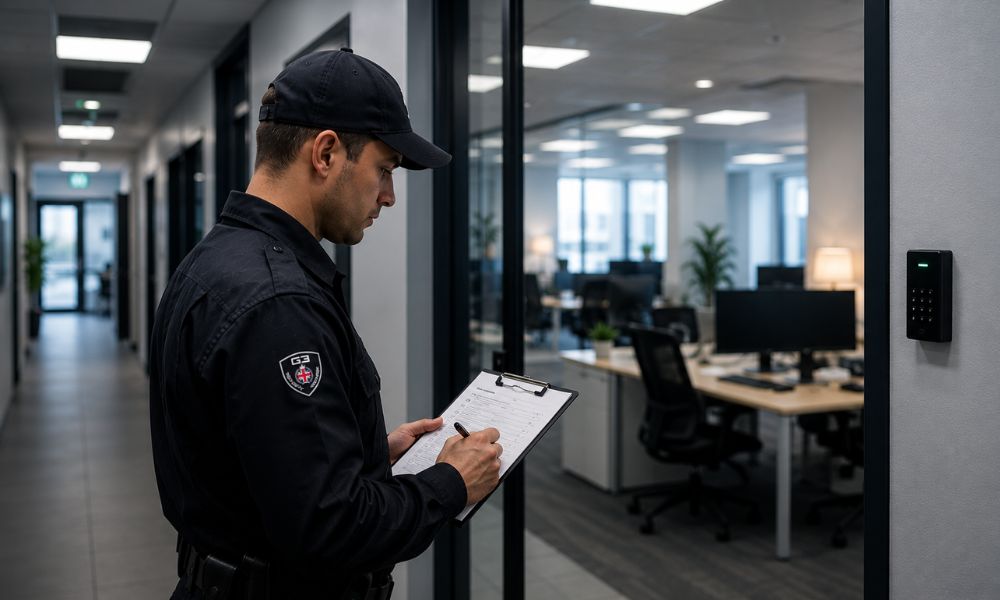
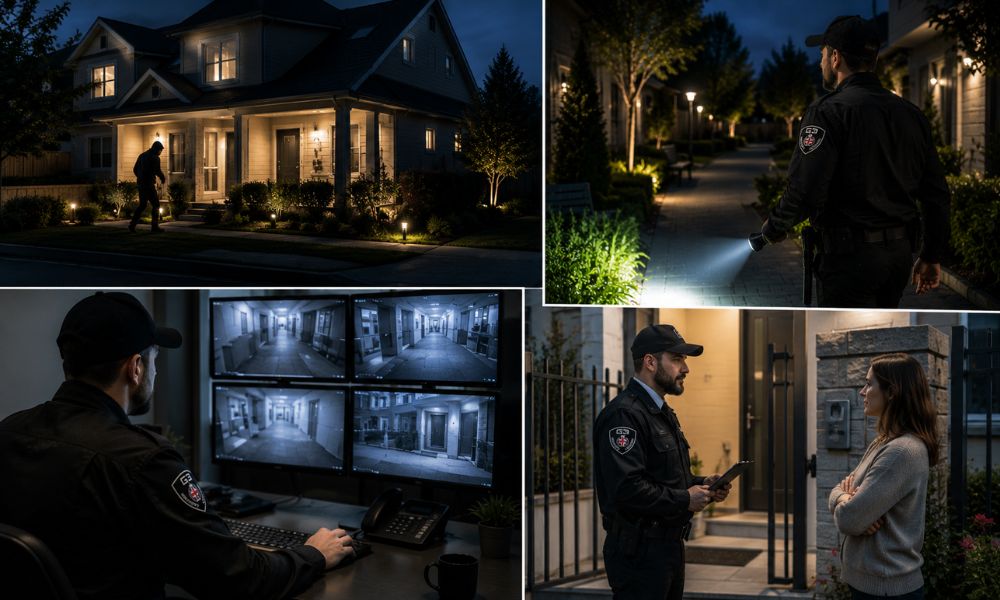
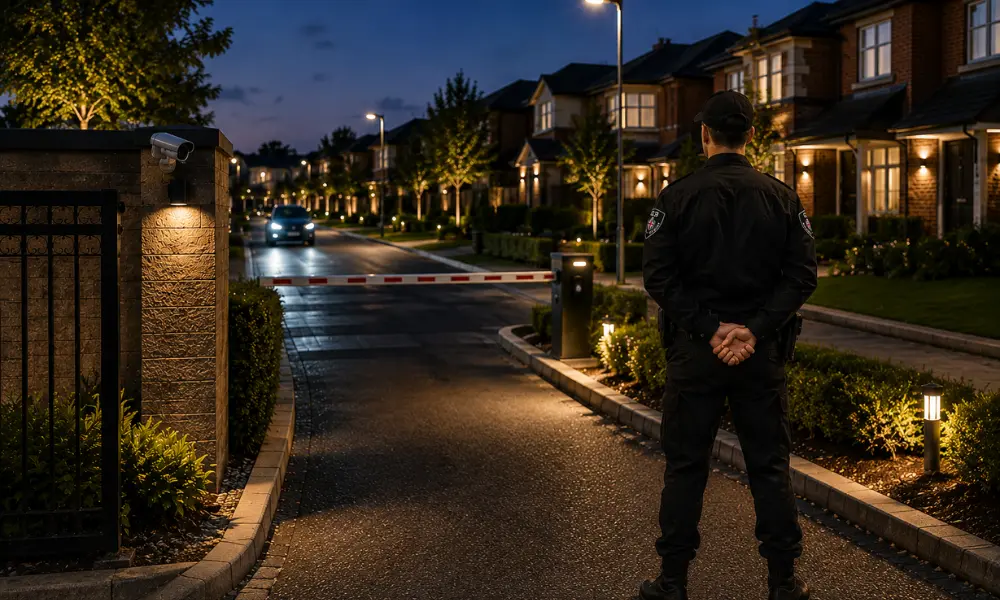
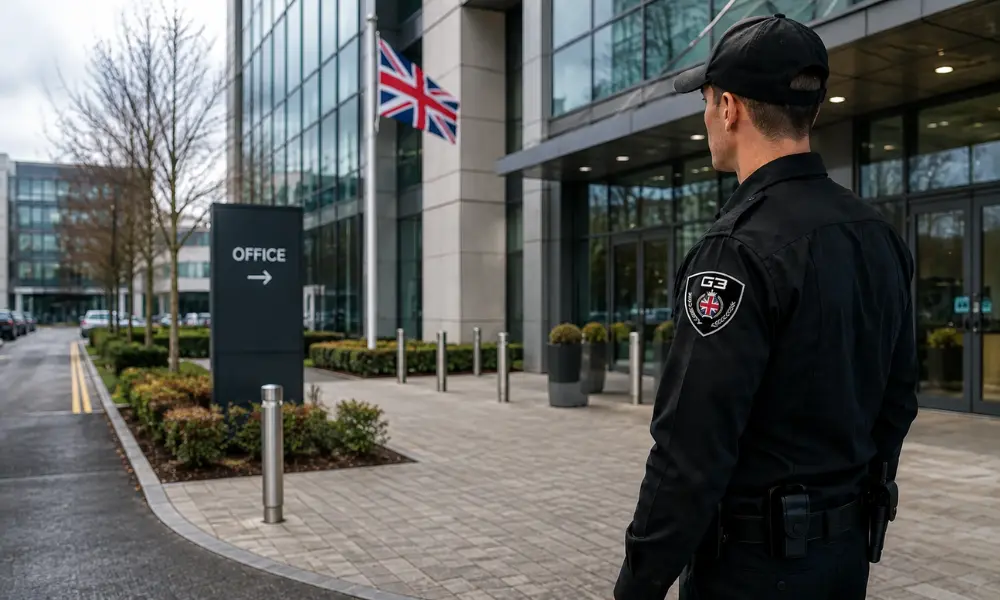
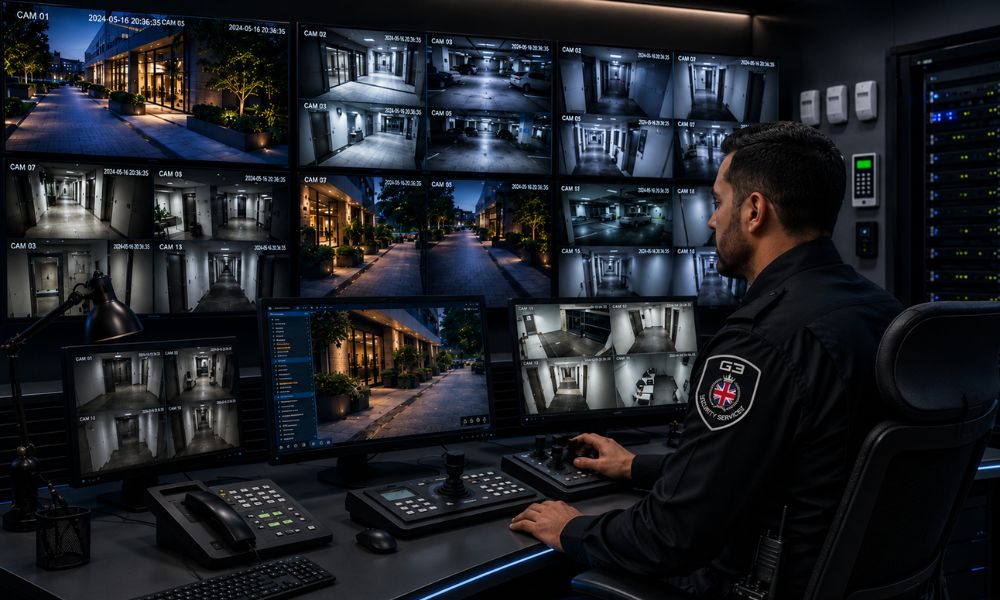
Security is a critical concern for businesses, residential areas, and public institutions across the UK. Choosing the right security solution is essential to protecting assets, employees, and residents. Two of the most commonly used security services are static guarding and mobile patrols. Each has its unique benefits and is suited for different scenarios. In this blog, we will explore the differences between static guarding and mobile patrols to help you determine which is the best option for your security needs. What is Static Guarding? Static guarding refers to security personnel stationed at a specific location, such as an entrance, reception area, or a construction site. These guards remain on-site for the duration of their shift and provide a constant security presence. They help enforce security protocols, ensuring that only authorized individuals gain access to restricted areas. Their presence can also deter theft, vandalism, and other criminal activities. Static guards often act as the first point of contact for visitors and employees, providing assistance and enhancing the overall security environment. Key Responsibilities of Static Guards: Static guards play a crucial role in maintaining security by providing a constant presence and monitoring activities within a specific location. Their responsibilities include: Monitoring CCTV and security systems Checking IDs and controlling access points Conducting regular inspections of premises Handling emergency situations and coordinating with law enforcement Assisting visitors and employees with security concerns Preventing unauthorized access and deterring criminal activity Benefits of Static Guarding: Static guarding provides numerous advantages for businesses and organizations that require a dedicated security presence. Here are some of the key benefits: Constant Security Presence: A visible deterrent to potential criminals. Immediate Response: Security threats are addressed instantly. Access Control: Guards ensure only authorized personnel enter restricted areas. Customer Assistance: They can assist visitors, employees, or residents. Adaptability: Can be deployed for various locations, including office buildings, retail stores, and events. Increased Employee and Customer Confidence: A secure environment helps employees and customers feel safer. Reduction in Theft and Vandalism: The presence of static guards significantly decreases criminal activities. Best Uses for Static Guarding: Static guarding is essential for locations that demand continuous surveillance and a strong security presence to deter threats. Here are some key places where static guarding is highly effective: Corporate offices Construction sites Retail stores Events and public gatherings Hotels and hospitality establishments What are Mobile Patrols? Mobile patrols involve security personnel conducting scheduled or random patrols of a designated area, such as a business park, residential community, or industrial site. These patrols can be carried out on foot or by vehicle, depending on the size of the premises. Mobile patrol officers provide an effective security presence by covering larger areas and responding quickly to potential threats. Their unpredictable movements make it difficult for criminals to anticipate security patterns, thereby enhancing protection. Key Responsibilities of Mobile Patrol Officers: Mobile patrol officers play a crucial role in ensuring the safety of businesses and residential areas by conducting thorough inspections and responding to security threats. Their responsibilities include: Conducting perimeter and site inspections Checking for signs of forced entry, vandalism, or unauthorized access Responding to alarms and emergencies Locking and unlocking premises Reporting security incidents and suspicious activity Providing rapid response when needed Ensuring compliance with security protocols and regulations Coordinating with local law enforcement when required Benefits of Mobile Patrols: Mobile patrols provide businesses and residential areas with a flexible and cost-effective security solution. This approach ensures a high level of protection while maintaining affordability. Here are some key benefits of mobile patrols that make them an effective security solution. Cost-Effective: Ideal for businesses that require security but do not need a constant presence. Coverage of Large Areas: Suitable for industrial estates, business parks, and residential neighborhoods. Flexible Security Approach: Patrols can be customized based on client requirements. Quick Response Time: Officers can respond promptly to alarms and disturbances. Surprise Factor: Criminals cannot predict when security personnel will be present, reducing the risk of incidents. Highly Visible Deterrence: The presence of mobile patrols discourages potential intruders. Customizable Schedules: Patrol frequency and timing can be adjusted according to security needs. Best Uses for Mobile Patrols: Mobile patrols are crucial for locations that require regular security checks and a proactive approach to deter potential threats. Here are some key places where mobile patrols are highly effective: Warehouses and industrial estates Large business complexes Residential communities Parking lots and garages Schools and universities Static Guarding vs Mobile Patrols: A Comparative Analysis Feature Static Guarding Mobile Patrols Security Presence Continuous, stationed at one location Intermittent, covers multiple areas Cost Higher due to full-time presence More affordable, suitable for large areas Response Time Immediate action within the premises Can take time to reach a location Deterrent Effect Strong deterrent due to visibility Unpredictable presence deters criminals Best for Businesses needing constant monitoring Large areas needing periodic checks Flexibility Limited to one location Can cover multiple sites in a single shift How to Choose the Right Security Solution? Selecting between static guarding and mobile patrols depends on various factors, including the nature of your business, security risks, and budget. Consider the following aspects: 1. Level of Security Required If your business requires constant monitoring and strict access control, static guarding is the better choice. However, if you only need periodic inspections and alarm response, mobile patrols are more cost-effective. Businesses dealing with high-value goods or sensitive information benefit more from a static presence, while those needing flexible security coverage can rely on mobile patrols. 2. Size of the Premises For smaller, high-risk locations, static guards ensure round-the-clock surveillance. For large, low-risk areas, mobile patrols can provide sufficient security coverage. The nature of your site layout and access points also influence the effectiveness of each security solution. 3. Type of Business Retail stores, corporate offices, and hotels often require static guards to control access and assist visitors. Warehouses, construction sites, and residential areas benefit from mobile patrols due to their flexibility. In particular, industries prone to vandalism or theft may require a combination

What Are The Types of Security Guards Services?

Introduction In today’s fast-paced world, security concerns are prevalent across various industries and environments. From corporate offices to construction sites, from bustling events to tranquil hotels, the need for reliable security solutions has never been greater. Security guard services encompass a wide array of specialised offerings, each tailored to address the unique security challenges faced by different sectors. The role of security guard services has evolved to encompass proactive risk mitigation and rapid response capabilities. With a focus on prevention, deterrence, and incident management, security guards serve as the frontline defenders of safety and security in today’s complex landscape. By understanding the multifaceted nature of security challenges and employing tailored security solutions, organisations can effectively mitigate risks, protect assets, and uphold the well-being of individuals within their environments. In this comprehensive guide, we’ll explore the diverse types of security guard services, shedding light on their roles, significance, and applications in safeguarding people, assets, and premises. 1. Corporate Office Security Corporate office security services are essential for maintaining a safe and secure environment within office premises. Trained security personnel monitor access points, conduct regular patrols, and implement security protocols to prevent unauthorised entry, theft, and disturbances. Their presence instils confidence among employees, visitors, and stakeholders, fostering a productive and secure workspace conducive to business operations. Regular training sessions ensure that security personnel are equipped with the necessary skills to handle various situations effectively. By upholding a strong presence and enforcing stringent security measures, these professionals safeguard valuable assets and confidential information, reinforcing the integrity of the organisation. 2. Concierge Security Concierge security services blend hospitality and security expertise to deliver personalised assistance and protection to clients in hotels. Concierge security professionals greet guests, manage access control, and provide information and assistance while maintaining a vigilant watch over the premises. Their dual role enhances the customer experience while ensuring a safe and welcoming environment for residents and guests. Concierge security personnel are trained to handle emergencies with composure and efficiency, offering immediate assistance in situations such as medical emergencies or security breaches. They serve as a visible deterrent to potential threats while fostering a sense of trust and comfort among residents and visitors. By seamlessly integrating hospitality with security measures, concierge security services elevate the overall quality of service and contribute to the reputation and success of the establishment they serve. 3. Construction Security Construction sites present unique security challenges due to their open nature and high-value equipment and materials. Construction security services deploy trained guards to monitor entry points, deter theft and vandalism, and enforce safety regulations. By implementing access control measures, conducting patrols, construction security teams safeguard assets, prevent unauthorised access, and mitigate risks associated with theft and liability. Construction security personnel collaborate closely with site managers and project teams to assess security vulnerabilities and develop customised security plans tailored to the specific needs of each construction site. Their proactive approach includes regular risk assessments and adjustments to security protocols as the project progresses, ensuring comprehensive protection throughout the construction process. By maintaining a visible presence and promptly addressing any security concerns, construction security services contribute to the smooth operation and timely completion of projects while minimising potential disruptions and losses. 4. Event Security Events, ranging from corporate conferences to music festivals, require specialised security measures to ensure the safety and well-being of attendees and participants. Event security services employ crowd management strategies, access control measures, and emergency response protocols to mitigate risks and maintain order. Trained security personnel monitor crowds, handle emergencies, and coordinate with event organisers and local authorities to ensure a smooth and secure event experience. Event security teams conduct thorough risk assessments prior to the event, identifying potential threats and vulnerabilities to develop comprehensive security plans. They deploy advanced technology such as surveillance cameras and metal detectors to enhance security measures and detect any suspicious activity promptly. By providing a visible presence and fostering a sense of security among attendees, event security services contribute to the success and reputation of the event while prioritising the safety and enjoyment of all participants. 5. Hotel Security Hotel security services play a crucial role in providing a safe and secure environment for guests, staff, and property. Security guards stationed at key areas such as entrances, lobbies, and parking lots deter criminal activity, respond to emergencies, and assist guests as needed. Hotel security teams are trained to handle various situations discreetly while upholding the reputation and hospitality standards of the establishment. Furthermore, hotel security personnel conduct routine patrols of the premises, including guest floors and other vulnerable areas, to ensure continuous monitoring and quick response to any security concerns. They collaborate closely with hotel management to implement security protocols, including access control measures and surveillance systems, tailored to the specific needs and layout of the property. By maintaining a proactive and vigilant approach, hotel security services contribute to a positive guest experience, enhancing satisfaction and loyalty while safeguarding the hotel’s assets and reputation. 6. Retail Security Retail security services are vital for protecting merchandise, deterring theft, and ensuring a positive shopping experience for customers. Security guards stationed within retail stores deter shoplifting, and provide customer assistance when required. Their proactive presence helps minimise losses due to theft and enhances the overall security and profitability of retail establishments. Retail security personnel are trained to recognize and respond to suspicious behaviour effectively, intervening discreetly to prevent theft while maintaining a welcoming atmosphere for legitimate shoppers. They collaborate with store management to implement loss prevention strategies, such as inventory control and employee training programs, to mitigate security risks and protect profit margins. By fostering a sense of safety and trust among customers, retail security services contribute to increased customer satisfaction and loyalty, ultimately driving business success. 7. Industrial and Warehouse Security Industrial and warehouse facilities house valuable assets, equipment, and inventory that require protection against theft, vandalism, and unauthorised access. Security guards deployed at industrial sites conduct perimeter patrols, and enforce safety protocols to prevent security breaches and disruptions to operations. Their

What Does an Event Security Guard Do?

In the realm of event management, ensuring the safety and security of attendees, performers, and assets is paramount. Whether it’s a bustling concert, a high-profile corporate gathering, or a local community festival, event organizers recognize the critical role of event security guards in maintaining order and safeguarding against potential risks. In addition to their crucial role in maintaining order and safety, event security guards also serve as ambassadors of professionalism and reassurance for attendees. Their presence not only deters potential threats but also instills confidence among event participants, fostering a sense of trust and comfort. With their extensive training and expertise, event security guards stand ready to address any security challenges swiftly and effectively, allowing event organizers to focus on delivering memorable experiences for their guests. In this blog post, we delve into the multifaceted responsibilities of event security guards and shed light on their indispensable contributions to creating safe and enjoyable environments for all. Understanding Event Security Event security entails a comprehensive approach to risk management and protection. Event security guards are trained professionals who specialize in maintaining order, enforcing regulations, and responding effectively to any security concerns that may arise during an event. Their primary objective is to ensure the safety and well-being of everyone involved, while also safeguarding the venue and its assets. Furthermore, event security guards undergo continuous training and certification to stay updated on the latest security protocols and techniques. They collaborate closely with event organizers, local authorities, and emergency responders to develop comprehensive security plans tailored to each event’s unique requirements. By proactively identifying potential risks and vulnerabilities, security guards play a proactive role in preventing security breaches and mitigating potential threats before they escalate. Key Responsibilities of Event Security Guards 1. Crowd Control One of the primary responsibilities of event security guards is managing crowds effectively. They are adept at regulating the flow of foot traffic, preventing overcrowding in designated areas, and mitigating any potential conflicts that may arise among attendees. Event security guards employ strategies such as signage, barriers, and communication systems to facilitate smooth crowd movement and navigation within the venue. They remain vigilant to identify early signs of tension or congestion, proactively intervening to maintain a safe and orderly environment. By maintaining a visible presence and implementing crowd control measures, security guards contribute to the overall positive experience of event attendees while minimizing the risk of accidents or incidents. 2. Access Control Event security guards play a crucial role in controlling access to restricted areas within the venue. They verify credentials, enforce entry regulations, and monitor entrances and exits to prevent unauthorized individuals from gaining entry. Event security guards utilize advanced access control systems and technologies to enhance the effectiveness of their monitoring efforts. Additionally, security guards maintain meticulous records of individuals entering and exiting the venue, facilitating swift identification and resolution of any security breaches or incidents. By maintaining strict access control measures, they uphold the integrity of the event space and minimize the risk of unauthorized activities. 3. Patrol and Surveillance Event security guards conduct regular patrols throughout the venue to identify any security vulnerabilities or suspicious activities. Through vigilant surveillance and observation, they maintain a proactive stance in deterring potential threats. Furthermore, event security guards leverage advanced surveillance technology to enhance their patrol efforts. These tools enable them to monitor large areas of the venue simultaneously and detect any unusual behavior or unauthorized access in real-time. In addition to physical patrols, security guards coordinate with remote monitoring teams to ensure comprehensive coverage and response capabilities. By combining physical presence with technological surveillance, they create a robust security infrastructure that serves as a deterrent to potential threats and enhances overall safety for event attendees. 4. Emergency Response In the event of an emergency situation such as a medical incident, fire, or security breach, event security guards are trained to respond swiftly and decisively. They coordinate with emergency services, implement evacuation procedures, and provide assistance to ensure the safety of attendees. Event security guards undergo specialized training in first aid, CPR, and emergency response protocols to effectively address medical emergencies onsite. They are equipped with essential medical supplies and equipment to provide immediate assistance. Additionally, security guards collaborate closely with venue staff and emergency responders to execute evacuation plans efficiently and evacuate attendees to designated safe zones. By remaining calm and organized in high-pressure situations, they play a critical role in minimizing potential injuries and ensuring a swift and coordinated response to emergencies. 5. Asset Protection Event security guards are tasked with protecting valuable assets such as equipment, merchandise, and infrastructure. They implement security measures to prevent theft, vandalism, or damage to property, thereby safeguarding the interests of event organizers and stakeholders. Additionally, event security guards conduct thorough pre-event inspections to identify any potential security vulnerabilities or weaknesses in asset protection measures. They collaborate closely with event organizers to develop customized security plans tailored to the specific needs and layout of the venue. Moreover, security guards maintain a visible presence throughout the event, deterring potential thieves or vandals and providing a sense of reassurance to attendees and exhibitors alike. Through their proactive approach to asset protection, security guards help to uphold the integrity of the event and preserve the investments of all stakeholders involved. Benefits of Hiring Professional Event Security 1. Peace of Mind By enlisting the services of a reputable event security company, organizers can have peace of mind knowing that trained professionals are overseeing the safety and security of their event. Additionally, these companies employ stringent vetting processes and background checks to ensure that their security personnel are highly qualified and trustworthy individuals. By entrusting their event security needs to experienced professionals, organizers can focus their energy and resources on delivering a seamless and unforgettable experience for attendees. 2. Enhanced Safety Professional event security guards possess the expertise and resources to effectively mitigate security risks and respond to emergencies, thereby enhancing the overall safety of the event environment. Professional event security guards undergo regular training to

The Importance of Security in Luxury Retail Stores

Introduction Luxury retail stores are prime targets for theft, fraud, and security breaches due to their high-value inventory and exclusive clientele. Unlike regular retail stores, luxury boutiques require specialized security strategies to safeguard their merchandise, maintain brand integrity, and ensure a seamless shopping experience. Security in luxury retail isn’t just about preventing theft it plays a vital role in customer trust, business reputation, and overall operational success. Implementing the right security measures can help luxury retailers mitigate risks and enhance their brand value. Understanding Luxury Retail Security Luxury retail security involves strategic measures and technologies designed to protect high-end stores from theft, fraud and other threats while maintaining a premium customer experience. Unlike standard retail stores, luxury boutiques operate in exclusive locations, catering to high-profile clients and housing valuable merchandise, making them prime targets for criminals. These stores often feature open-concept layouts with prominently displayed expensive products, increasing their vulnerability to theft and fraud. Effective security in this sector goes beyond traditional methods, incorporating advanced surveillance and access control solutions tailored to the unique challenges of luxury brands. Common Security Threats in Luxury Retail Luxury retail stores face a range of security threats due to their high-value merchandise and exclusive clientele. From organized retail crime and internal theft to fraudulent transactions, these risks can lead to significant financial losses and reputational damage. Implementing proactive security measures is essential to safeguarding assets and ensuring a secure shopping environment. 1. Shoplifting and Organized Retail Crime Luxury stores are frequent targets for shoplifting and organized retail crime (ORC) due to the high resale value of their products. Shoplifters often work in teams, using distraction tactics to steal expensive items. Organized crime groups conduct planned heists, sometimes involving fake identities, fraudulent transactions, or smash-and-grab robberies. The accessibility of designer bags, jewelry, and watches in display cases makes it easier for criminals to execute thefts within seconds. 2. Employee Theft and Fraud Internal theft is a major concern for luxury retailers, as employees have direct access to high-value merchandise. Dishonest staff members may steal items, manipulate inventory records, or collaborate with external criminals. Fraudulent activities such as refund scams, unauthorized discounts, and credit card fraud are also common. Since employees handle sensitive customer information and payment details, security breaches from within can have severe consequences. 3. Smash-and-Grab Robberies These high-profile crimes involve groups of criminals forcefully breaking into stores and stealing high-value items within minutes. Luxury retailers with large glass windows and expensive merchandise on display are prime targets. Strengthening physical barriers, such as reinforced glass, security grilles, and motion sensors, can help mitigate these risks. 4. VIP and Customer Safety Risks Luxury retail stores often cater to high-profile clients, celebrities, and wealthy individuals who may require additional security measures. Personal security threats, such as stalking, theft attempts, or public disturbances, can affect both the customers and the brand’s reputation. Implementing discrete but effective security protocols ensures the safety of VIP clientele while maintaining an exclusive shopping experience. 5. Supply Chain and Inventory Theft High-end merchandise is vulnerable to theft during transportation, storage, and inventory handling. Criminals may target shipments, warehouse facilities, or even collaborate with insiders to steal goods before they reach the store. Strict tracking systems, GPS-enabled shipments, and regular audits can help minimize supply chain-related theft. Impact of Security on Business Strategy Effective security enhances customer trust, protects assets, and ensures seamless operations in luxury retail. By integrating advanced security measures, brands can prevent losses, maintain exclusivity, and strengthen their reputation. Enhancing Customer Trust and Brand Image: A strong security presence reassures customers that their safety and privacy are priorities. Shoppers in luxury retail stores expect an exclusive and secure experience. Visible security measures such as trained guards, CCTV monitoring, and controlled access points contribute to customer confidence. When customers feel safe, they are more likely to engage in high-value purchases and build long-term loyalty with the brand. Luxury retailers that prioritize security also enhance their brand’s image as a trusted and professional business. Financial Implications: Security investments may seem costly, but the financial losses resulting from theft and fraud can be far greater. Every stolen item in a luxury store represents a significant monetary setback. Data breaches or fraud incidents can lead to legal penalties and reputational damage, further affecting sales. Implementing advanced security solutions, such as AI-powered surveillance, biometric access control, and security measures, helps minimize losses and maximize long-term profitability. Operational Efficiency: Security systems streamline retail operations by preventing disruptions and ensuring a smooth shopping experience. AI-powered surveillance can detect suspicious activities in real-time, allowing store personnel to take proactive measures. Inventory tracking technologies reduce shrinkage and improve stock management. Automated access control prevents unauthorized entry while enabling staff to move freely within designated areas. An integrated security approach enhances operational efficiency, reducing downtime and ensuring business continuity. Best Practices for Luxury Retail Security Implementing advanced security measures is essential to protect high-end stores from theft, fraud, and security threats. Luxury retailers should invest in AI-powered surveillance, strict access controls, and staff training to enhance security. Partnering with professional security services like G3 Security ensures a comprehensive approach, safeguarding assets while maintaining an exclusive shopping experience. Advanced Surveillance Systems: Luxury retailers must invest in high-definition CCTV cameras with real-time monitoring and motion detection. Smart surveillance systems equipped with AI analytics can detect suspicious behavior, track potential threats, and alert security personnel instantly. Facial recognition technology enhances security by identifying known shoplifters or criminals attempting to enter the store. A well-designed surveillance network acts as both a deterrent and a proactive security measure, helping store managers maintain a secure shopping environment. Access Control Measures: Restricting access to high-value inventory and sensitive areas is critical for security in luxury retail. Advanced access control systems, such as biometric authentication, RFID badges, and smart locks, ensure that only authorized personnel can enter specific zones. Luxury stores can also implement appointment-only access for VIP customers, enhancing both exclusivity and security. By limiting unauthorized entry, businesses can prevent internal theft, safeguard inventory, and maintain

Hiring The Right Company to Provide Security for a Special Event

Hosting a special event can be a thrilling experience, and when hosting an event, it is your foremost duty to ensure the well-being of our guests. Ensuring the safety and security of your guests and the event itself is paramount. The planning and executing a special event, whether a grand gala, a high-profile corporate gathering, a music festival, or any other occasion, demands meticulous attention to detail. While event organisers focus on creating memorable experiences for their attendees, they must also prioritise the safety and security of everyone involved. This is where the critical decision of hiring the right security company comes into play.  Ensuring the safety and well-being of event guests, staff, and assets is paramount, and choosing the right security company to provide protection is an essential part of the event-planning process. The success of your special event hinges not only on its entertainment value but also on how effectively potential security threats are mitigated. Our G3 company helps you to have a planned and organised event with a peace of mind. Why Event Security is Critical?  Event security is a critical element in the planning and execution of any special event. It serves as a safeguard against potential threats, ensures safety, and ultimately contributes to the success and positive reputation of the event. By prioritising event security, organisers can create an environment where attendees can enjoy themselves without undue concern for their safety. Here are some key reasons why event security is crucial:  Attendee Safety: Safety And Well-Being Of Your Guests  The primary and most crucial reason for event security is the safety of event attendees. Large gatherings can be targets for various security threats, including criminal activities, terrorism, medical emergencies, and crowd-related incidents. A well-prepared security team can help prevent, respond to, and manage these situations to protect attendees from harm.  Ensuring attendee safety is a paramount responsibility of the event security team. It is essential to verify the identity and credentials of all individuals entering the event, using ticket checks, ID verifications, and bag inspections as necessary. Crowd Control: Prevent Overcrowding To Provide Secure Environment To Your Guests Events often draw diverse and sometimes massive crowds. Proper security measures help maintain order, prevent overcrowding, and manage crowd movements. Effective crowd control ensures attendees enjoy the event in a safe and organised environment.  Crowd control at an event is a critical aspect of ensuring the safety and comfort of attendees. Our G3 company conducts a thorough risk assessment to understand potential crowd-related issues specific to your event. It is necessary to develop a comprehensive crowd management plan that addresses crowd flow, entry and exit points, and potential bottlenecks. Asset Protection: Protect Your Place From Theft, Vandalism, and Damage  Special events often involve valuable assets, equipment, and infrastructure that need protection. Security personnel can safeguard these assets from theft, vandalism, or damage, which can impact the event’s success and financial viability. The event security team plays a significant role in ensuring the security and protection of these assets. The security company creates a comprehensive inventory of all assets that will be used, including equipment, technology, merchandise, and any other valuable items before an event. Reputation Management: Your Image Enhancement  The success of an event can significantly affect an organisation’s or individual’s reputation. A security incident can tarnish that reputation, causing long-term damage. A professional security team can help protect your image by reducing the likelihood of security breaches and providing a rapid response when issues arise.  Security personnel should be trained in conflict resolution and de-escalation techniques to handle difficult situations peacefully, minimising the risk of negative incidents that could damage the event’s reputation. Emergency Response: Minimising Damage  From medical emergencies to natural disasters, events can face various unexpected crises. Security personnel are trained to respond to emergencies quickly and efficiently, potentially saving lives and minimising damage.  The event security team should respond quickly and effectively to any incidents, ensuring that attendees feel safe and supported. Peace of Mind: Safety Confidence  Knowing that a competent security team is in place can provide peace of mind for event organisers and attendees. This confidence allows everyone to focus on enjoying the event contributing to its success.  The event security team plays a critical role in ensuring that attendees, event organisers, and stakeholders can focus on enjoying the event without worrying about their safety and security. Peace of mind is a valuable outcome of effective security measures and professional security personnel. Tips For Hiring An Event Security Team When planning a special event, the safety and security of all participants should be a top priority. Ensuring your event runs smoothly without incident requires careful consideration when hiring an event security team. From preventing potential threats to managing unforeseen challenges, a skilled and professional security team is the cornerstone of a successful event. Here are some considerations while hiring a company for the security of your event:  Do Your Research On Event Security Company: Before making any decisions, it’s crucial to invest time and effort in researching potential event security companies. Begin by assessing the expertise and experience of each security company under consideration. Look for the security company with a proven track record in providing security services for events similar in scale and nature to yours. They should have experience in managing the specific challenges that your event might present.  Select A Company With The Proper Experience: Research the reputation of each security company. Look for online reviews, client testimonials, and references. Word of mouth and feedback from others who have worked with them can provide valuable insights into their reliability, professionalism, and the quality of their services.  Ensure the security company holds all licences and certifications required by local and state regulations. A licensed security firm is more likely to meet the legal and ethical standards essential to provide adequate security services. Work With A Team Who Understands The Venue: One of the critical factors in ensuring adequate event security is selecting a security team that thoroughly understands

The Importance of Site Security Risk Assessment

In today’s modern age, where businesses and individuals rely heavily on technology and online platforms, site security has become more critical than ever. Cyberattacks and physical breaches can have devastating consequences, leading to data breaches, financial losses, and damage to reputation. To mitigate these risks, organisations must prioritise site security risk assessments. Security breaches, whether in cyberattacks or physical intrusions, can have far-reaching results for individuals, organisations, and even entire nations. To effectively protect against these threats, it is crucial to understand the vulnerabilities within a given environment and implement comprehensive security measures. This is where the concept of Site Security Risk Assessment comes into play.  What is A Site Security Risk Assessment?  A Site Security Risk Assessment is a systematic and in-depth evaluation of the security vulnerabilities and threats in a specific location, such as a corporate office, manufacturing facility, data centre, hotel, or construction site. This process involves identifying potential risks, evaluating their potential impact, and devising strategies to mitigate or manage them effectively. While the concept of risk assessment has been employed for centuries in various forms, its adaptation to modern security is vital for safeguarding people, assets, and information.  Key Aspects of Site Security Risk Assessment In this era of technological advancement, where cyberattacks have become increasingly sophisticated and physical security risks continue to evolve, the need for a well-structured Site Security Risk Assessment cannot be underestimated. It is the foundation upon which robust security strategies are built, allowing organisations to stay one step ahead of potential threats and vulnerabilities. The following are the critical aspects of Security Risk Assessment:  The Evolving Nature of Threats: With the proliferation of technology and interconnected systems, threats have become multifaceted. Cybercriminals exploit digital vulnerabilities, while physical intrusions can compromise sensitive information. Understanding security and risk management is crucial for a practical risk assessment.  Asset Protection: Organisations invest heavily in their physical assets, intellectual property, and data. A Site Security Risk Assessment is instrumental in identifying weaknesses in the security infrastructure that could lead to theft, damage, or loss of these invaluable assets. Compliance and Regulations: Many industries are subject to stringent security regulations and compliance requirements. Failure to conduct adequate risk assessments can result in legal and financial repercussions. Comprehensive security and risk management help organisations ensure they meet these obligations.  Resource Allocation: Resources for security measures are often finite. A well-conducted risk assessment assists in prioritising where these resources should be allocated for maximum impact, ensuring a cost-effective approach to security.  Crisis Preparedness: Knowing the potential risks and vulnerabilities allows organisations to create security and risk management plans and response strategies. This excellent approach can significantly lessen the impact of security incidents.  The Importance of Site Security Risk Assessment This process involves identifying, analysing, and prioritising risks to develop effective security measures and protocols. It encompasses various considerations, including physical security, access control, and emergency response plans.  Identifying Vulnerabilities: One of the primary benefits of conducting an information security risk assessment is the identification of vulnerabilities. By thoroughly analysing your organisation’s operations, systems, and physical premises, you can pinpoint areas susceptible to threats. This includes inadequate access controls, or physical security gaps that malicious actors might exploit.  Prioritising Risks: Not all risks are created equal, and resources are limited. This assessment helps organisations prioritise risks based on their potential impact and likelihood. By categorising risks, you can allocate resources more effectively to address and overcome the most critical vulnerabilities first, reducing the overall exposure to security threats.  Preventing Unauthorised Access: Physical security is equally important, especially for organisations with physical premises, data centres, or critical infrastructure. A security risk assessment helps evaluate access control measures, surveillance systems, and perimeter security. By strengthening physical security, you can prevent unauthorised access and protect sensitive assets.  Reputation Management: A security breach, whether data or physical, can tarnish an organisation’s reputation. Customers and stakeholders expect their information to be safeguarded, and a breach can erode trust. A site security risk assessment helps you implement robust security measures, demonstrating your commitment to protecting sensitive data and assets.  Cost Savings: While investing in security measures may seem costly upfront, it can lead to significant cost savings in the long run. By proactively addressing security risks, you can reduce the likelihood of costly security incidents, legal liabilities, and the associated cleanup expenses.  Conclusion In an increasingly interconnected and digital world, site security risk assessments are not optional but essential for any security company. They are a proactive approach to safeguarding your organisation’s physical assets, ensuring business continuity, and preserving your reputation. By identifying vulnerabilities, prioritising risks, and implementing effective security measures, you can stay one step forward of potential threats and protect what matters most. Security is an ongoing process, and regular assessments are crucial to maintaining a strong defence against evolving risks. Get in touch with us to strengthen your security today.

What is A Keyholding Service and Why Do You Need It?

Introduction In today’s fast-paced world, security has become a primary concern for individuals and businesses alike. One aspect of security that often goes unnoticed is keyholding services. But what exactly is a keyholding service, and why do you need it? In this blog post, we will delve into the details of keyholding services, exploring their purpose, benefits, and why they are essential for ensuring the safety and peace of mind for both residential and commercial properties. Understanding Keyholding Services Keyholding services involve entrusting a professional security company with a spare set of keys to your property. These service providers are responsible for safeguarding and responding to any emergencies or security breaches that may occur at your premises, regardless of the time of day or night. Keyholders are often trained security personnel who are equipped to handle various situations, such as alarm activations, break-ins, or maintenance issues. The Benefits of Keyholding Services Prompt Response: One of the primary advantages of keyholding services is the assurance of a swift response during emergencies. Instead of risking personal safety by responding to security threats yourself, a professional keyholder will swiftly assess the situation and take appropriate action, including liaising with the emergency services if necessary. Enhanced Security: Keyholding services act as an effective deterrent against criminal activities. Knowing that a trained security professional will respond immediately to any security breach not only increases the likelihood of apprehending intruders but also minimises the potential damage to your property. Cost-Effective Solution: Engaging a keyholding service can be a cost-effective alternative to hiring full-time security personnel. By outsourcing your security needs to a specialised company, you can save on recruitment, training, and ongoing employment costs, while still maintaining a high level of security for your premises. Peace of Mind: Whether you are a homeowner or a business owner, having a keyholding service provides peace of mind. Knowing that professionals are taking care of your property and responding promptly to any security concerns allows you to focus on your daily activities without worrying about the safety of your premises. When Do You Need a Keyholding Service? Vacant Properties: If you own a second home, rental property, or any other premises that remain unoccupied for extended periods, a keyholding service becomes crucial. They can regularly inspect the property, respond to any alarms, and ensure that it remains secure in your absence. Business Security: For businesses, especially those operating outside regular working hours, having a keyholding service is vital. With a team of trained professionals ready to respond, you can rest assured that your premises are protected from potential break-ins, vandalism, or unauthorised access. Alarm Response: If your property is equipped with an alarm system, a keyholding service can significantly enhance its effectiveness. Instead of relying on neighbours or yourself to investigate alarm activations, the keyholder will promptly attend the site, assess the situation, and take appropriate action. Choosing the Right Keyholding Service When selecting a keyholding service provider, it is essential to consider the following factors: Experience and Reputation: Look for a company with a proven track record in the security industry. Read customer reviews, testimonials, and ask for references to ensure their reliability and professionalism. Licensing and Certifications: Verify that the keyholding service provider holds the necessary licences and certifications required by local authorities. This ensures that they operate within legal frameworks and adhere to industry standards. Response Time: Inquire about their average response time to emergencies. A reliable keyholding service should be able to provide a swift response, ideally within a specified timeframe, guaranteeing the security of your property. Additional Services: Some keyholding service providers may offer additional security services, such as mobile patrols, CCTV monitoring, or lock and unlock services. Assess your specific security needs and consider opting for a comprehensive solution that caters to all your requirements. Conclusion In a world where security threats are a reality, a keyholding service can provide the protection and peace of mind you need. From prompt response times to enhanced security and cost-effectiveness, the benefits of a professional keyholding service are undeniable. Whether you own a residential property or run a business, entrusting the safety of your premises to a reliable keyholding service is an investment in safeguarding your assets and maintaining a secure environment. If you are ready to secure your property and experience the peace of mind that comes with a professional keyholding service, get in touch with us today. As a leading security company, we specialise in providing top-notch keyholding services tailored to your specific needs. Our experienced team of trained security professionals is equipped to handle any security concerns, ensuring a prompt response to emergencies and maintaining the utmost security for your property. Don’t compromise on the safety of your premises – contact us now to discuss how our keyholding services can benefit you.

What Does a Close Protection Operative Actually Do?

As crime rates increase and the threat of terrorism continues, ensuring the safety of individuals who face increased risk of these dangers is important. These individuals may get targeted due to their public visibility, wealth, or other factors. Protecting them effectively is essential for their security and well-being. In this blog, we delve into the intricate world of close protection. We will explore the various types of operatives, examine their specific responsibilities, discuss the essential skills required, and highlight the scenarios in which they are most crucial. What is a Close Protection Operative? Close protection security is a specialised field created to safeguard these high-risk individuals from both physical danger and potential threats. Known commonly as bodyguards, close protection operatives are extensively trained professionals dedicated to offering a protective presence to high-profile figures facing imminent threats. These operatives are equipped with a diverse set of skills, enabling them to evaluate risks, spot suspicious behaviours, and react swiftly during crises. Their roles extend beyond mere physical security; close protection operatives must also conduct continuous security monitoring, uphold a professional attitude, and stay informed about the local legal framework. A close protection operator also manages sensitive information discreetly, provides emotional support, and offers counsel when necessary. This security role encompasses a broad spectrum of responsibilities, duties, and skills essential for the protection and well-being of the individuals under their care. Types of Close Protection Operatives Close protection security is an intricate service designed for individuals such as high-profile public figures who are exposed to risks stemming from their fame, economic status, or profession. Depending on the unique requirements of the individual requiring protection, various types of close protection services are utilised.  VIP Protection: This service is designed to safeguard high-risk individuals while they are travelling or situated in a specific location. It typically involves a team of close protection operatives who ensure the safety of the person, their family, staff, and significant assets. Residential Protection: This type of service focuses on the safety of the high-risk individuals and their family at their residence. Operatives are tasked with securing the home and monitoring any visitors. Event Protection: During public events or gatherings, close protection operatives ensure the safety of the high-risk individuals and often their associates as well. Security Chauffeuring: This service offers executive transportation with drivers who are trained for close protection operations, advanced and defensive driving, and anti-ambush techniques. It caters to a diverse clientele, including VIPs, CEOs, celebrities, and politicians. Responsibilities of Close Protection Operatives There’s a widespread misconception that close protection should primarily be reactive rather than preventative. However, the goal is always to avoid confrontations if possible. Effective prevention relies more on intellectual capabilities than physical strength and demands intense concentration, which can be mentally challenging. Proactive Planning: A significant portion of a close protection operative’s time is dedicated to preparing in advance to minimise the likelihood of incidents. This preparation involves more than just responding to events as they occur; it’s about reducing the chances of those events happening in the first place. Understanding and continuously applying situational awareness is crucial in close protection, as prevention is invariably better than the remedy. Close protection operatives are highly trained security professionals responsible for the safety of specific individuals or groups. Their primary role is to safeguard their clients from harm by assessing potential threats, monitoring the environment for suspicious activities, and developing and implementing strategic security plans to mitigate risks. Vigilance and Risk Management: A close protection operator must maintain constant vigilance, keeping a watchful eye on the surroundings and ensuring the client is kept at a safe distance from potential threats. They are tasked with identifying risks quickly, planning effective countermeasures, anticipating possible dangers, and reacting promptly and appropriately should a threat materialise. Communication and Decision-Making: In addition to physical security measures, close protection operatives must possess excellent problem-solving and decision-making skills. Effective communication is essential, not only with the client but also with other members of the security team to ensure coordinated efforts in protecting the principal. Composure Under Pressure: Arguably the most critical trait for a close protection operative is the ability to remain calm and focused, especially in those rare but crucial moments when their client faces a clear and present danger. This composure ensures that operatives can perform their duties effectively, even under extreme stress. The Essentials of Close Protection Training Close protection security requires highly trained professionals with a range of skills to do their job well and professionally. Physical Fitness: Close protection operatives need to be very fit and strong. This helps them protect their clients from danger and act quickly if someone tries to harm them.  Security Training: All close protection operatives must go through detailed training sessions before they can begin protection. This training covers how to use security systems, keep watch, and defend themselves and their clients. They also need to learn the legal rules about what they can and cannot do in their job. Licensing and Legal Requirements: Every operative in the UK needs to have an SIA Close Protection licence to work. This licence shows they are qualified to work as a bodyguard or in close protection. It also means they have passed tests in important areas like first aid and have no criminal record. Innate Skills for Effective Operation: One key skill for a close protection operative is the natural ability to stay calm and think clearly in stressful situations, making quick and smart decisions. Without these skills and proper training, operatives wouldn’t be able to keep their clients safe. Understanding the Threats Managed by Close Protection Operatives While anyone may encounter criminal behaviour, certain individuals face a heightened risk of becoming targets due to their public prominence or substantial wealth. Consequently, these high-profile individuals often require close protection as part of their daily lives. The necessity for such security frequently stems from previous incidents, direct threats received, or simply from holding a position of power that naturally draws public scrutiny. The types of

Should Your Area Be Investing in Residential Security Service?

In recent years, the need for residential security services has become increasingly apparent. With rising concerns about property crime, vandalism, and personal safety, many communities are looking for ways to enhance security measures. One avenue that’s gaining traction is investing in residential security services provided by companies like G3 Security Services in the UK. But is it worth it for your area? Let’s delve into the key factors to consider. 1. Local Crime Rates Start by assessing the crime rates in your area. Is there a noticeable uptick in burglaries or vandalism? Are residents expressing concerns about safety? High crime rates often necessitate proactive security measures to deter criminals and protect property. Engage with local law enforcement to get detailed crime statistics and identify hotspots. Regular community meetings can also provide insights into residents’ concerns and help formulate a collective security strategy. 2. Neighbourhood Demographics Consider the demographics of your neighbourhood. Are there many families, elderly residents, or high-net-worth individuals? Certain demographics may be more vulnerable to security threats and could benefit greatly from residential security services. Understanding the specific needs of these groups can help in tailoring security solutions effectively. Additionally, engaging with local community groups can provide valuable feedback on the unique security challenges they face. 3. Property Values The value of properties in your area is another important factor. High-value homes and commercial properties are often targeted by criminals. Investing in residential security services can help safeguard these assets and maintain property values. Insurance companies may also offer discounts for properties with robust security measures in place, further emphasising the value of such investments. Regular property assessments can highlight areas where additional security measures may be beneficial. 4. Community Engagement Evaluate the level of community engagement and support for security initiatives. Are residents willing to invest in their safety? Collaborating with neighbours and local authorities can strengthen security efforts and create a safer environment for everyone. Community watch programs can be a great way to increase vigilance and foster a sense of collective responsibility. Hosting security workshops can also educate residents on best practices and preventive measures. 5. Security Solutions Offered Explore the range of security solutions offered by companies like G3 Security Services. From manned guarding and mobile patrols, there are various options to suit different security needs and budgets. Consider the scalability of these solutions to ensure they can grow with your community’s needs. It’s also important to review case studies or client testimonials to gauge the effectiveness of these services. 6. Customization Options Look for a security provider that offers customization options tailored to your area’s specific requirements. A one-size-fits-all approach may not be effective in addressing unique security challenges. G3 Security Services prides itself on delivering bespoke security solutions tailored to each client’s needs. Regular consultations with the security provider can help fine-tune these solutions over time. Additionally, flexibility in contract terms can make it easier to adjust services as needs evolve. 7. Cost-Benefit Analysis Conduct a cost-benefit analysis to determine the financial feasibility of investing in residential security services. While upfront costs may seem daunting, consider the potential savings in terms of property damage, theft prevention, and peace of mind for residents. Long-term contracts might offer cost savings and additional benefits. Additionally, consider potential increases in property values and insurance savings as part of the overall financial assessment. 8. Legal and Regulatory Compliance Verify that the security provider complies with all relevant laws and regulations governing the security industry. Working with a licensed and accredited company like G3 Security Services ensures accountability and adherence to industry standards. Regular audits and compliance checks can safeguard against legal issues. Understanding local regulations can also help in implementing security measures that are both effective and lawful. 9. Long-Term Security Planning Lastly, think about your long-term security planning goals. Residential security services should be viewed as a proactive investment in the safety and well-being of your community. Look for a provider that offers ongoing support and monitoring to adapt to evolving security threats. Developing a security roadmap can help in planning for future needs and contingencies. Regular reviews and updates to the security plan can ensure it remains relevant and effective. Our Home Security Options Mobile Patrol Security:  Mobile patrols offer a flexible and visible security presence. Trained security professionals patrol designated areas on foot or by vehicle, deterring criminal activity and responding swiftly to any security breaches. On-Site Security Guard:  On-site security guards provide a physical presence and immediate response capability. They can monitor access points, conduct regular patrols, and intervene in security incidents to ensure the safety of residents and properties. The Benefits of Residential Security Investing in residential security services offers numerous benefits: Crime Deterrence: Visible security measures deter criminals and reduce the likelihood of break-ins, thefts, and vandalism. Peace of Mind: Knowing that your property is protected by professional security personnel provides peace of mind for residents and property owners. Quick Response: Security guards can respond rapidly to security breaches, minimising damage and ensuring the safety of residents. Customised Solutions: Residential security services can be tailored to address specific security concerns and requirements, ensuring effective protection for each property. Community Safety: Enhanced security measures contribute to a safer environment for the entire community, fostering a sense of security and well-being among residents. Residential Security – Let G3 Security Help At G3 Security Services, we understand the importance of residential security in today’s ever-changing landscape. Our team of highly trained security professionals is dedicated to protecting homes, communities, and businesses across the UK. With a range of customizable security solutions, advanced technology, and unparalleled expertise, we can help safeguard your area against security threats. Contact us today to learn more about our residential security services and take the first step towards a safer tomorrow. Final Words In conclusion, investing in residential security services is a proactive step towards enhancing safety and security in your area. By considering key factors such as local crime rates, demographics, and community engagement, you can determine the

Key Benefits of Mobile Security Patrols

In today’s dynamic security landscape, businesses are continuously seeking innovative solutions to safeguard their premises and assets. Among the arsenal of security measures available, mobile security patrols stand out as a proactive and versatile approach to maintaining safety and deterring potential threats. In addition to their proactive presence, mobile security patrols offer a level of flexibility that is unmatched by static security measures. Their ability to cover vast areas efficiently ensures comprehensive surveillance and rapid response to emerging threats. Whether it’s conducting routine patrols, responding to alarms, or providing assistance to distressed individuals, mobile patrol security guards adapt seamlessly to evolving security challenges, making them an invaluable asset for businesses of all sizes. Let’s delve into the key benefits of mobile security patrols and why they are indispensable for safeguarding various establishments. 1. Enhanced Visibility and Deterrence Mobile security patrols provide a visible presence, deterring unauthorised individuals from trespassing or engaging in illicit activities on your property. The mere sight of a marked security vehicle patrolling the premises can significantly reduce the likelihood of vandalism, or theft. The presence of mobile patrol security guards not only deters criminal activity but also fosters a sense of reassurance among employees, and visitors. Their conspicuous patrols serve as a constant reminder of vigilant security measures in place, promoting a safer and more secure environment. Additionally, the high visibility of mobile patrols acts as a deterrent to potential threats such as vandalism, loitering, or property damage. By maintaining a visible and proactive security presence, businesses can effectively deter unwanted behaviours and maintain peace of mind for all stakeholders. 2. Rapid Response to Incidents Unlike stationary security guards, mobile patrol security guards have the advantage of covering a larger area within a shorter time frame. In the event of an emergency or security breach, mobile patrols can swiftly respond to alarms, suspicious activities, or distress calls, minimising potential risks and mitigating damages. The mobility of patrol vehicles enables security guards to navigate through various terrain and access points, ensuring prompt response to incidents regardless of the location within the premises. This agility allows them to quickly assess the situation, deploy necessary resources, and coordinate with law enforcement or emergency services if required. Additionally, mobile patrol security guards are trained to prioritise safety while responding to incidents, utilising their expertise to de-escalate tense situations and ensure the well-being of all individuals involved. By leveraging their swift response capabilities, mobile patrols serve as a vital layer of protection, enhancing overall security preparedness for businesses and communities alike. 3. Customised Security Solutions Every business has unique security requirements based on its size, location, and nature of operations. Mobile security patrols offer tailored solutions to address specific concerns and vulnerabilities. Whether it’s conducting perimeter checks, monitoring access points, or implementing safety protocols, mobile patrol security guards adapt their strategies to meet the client’s needs effectively. Mobile patrol security providers often conduct comprehensive security assessments to identify potential vulnerabilities and develop customised patrol routes and protocols accordingly. This proactive approach allows businesses to optimise their security measures and allocate resources where they are most needed. Additionally, mobile patrol security guards undergo specialised training to handle diverse security challenges, ensuring that they are equipped to address any unique requirements or unexpected situations that may arise during their patrols. By offering personalised security solutions, mobile patrols empower businesses to mitigate risks proactively and maintain a safe and secure environment for their operations. 4. Cost-Effective Security Opting for mobile security patrols can be a cost-effective solution compared to employing full-time static guards or investing in elaborate surveillance systems. With mobile patrols, you have the flexibility to scale up or down based on the evolving security demands of your business, ensuring optimal protection without breaking the bank. Mobile security patrols eliminate the need for significant upfront investments in infrastructure or equipment, as the patrol vehicles and personnel are provided by the security service provider. This reduces the financial burden on businesses while still providing a high level of security coverage. Furthermore, the versatility of mobile patrols allows businesses to allocate resources more efficiently, directing security personnel to areas of higher risk or during peak activity periods. By leveraging cost-effective mobile security solutions, businesses can maintain robust security measures without compromising their bottom line, ensuring a prudent allocation of resources for long-term sustainability. 5. Comprehensive Security Reports Accountability and transparency are integral aspects of effective security management. Mobile patrol security officers meticulously document their patrols, noting any irregularities, safety hazards, or suspicious incidents encountered during their rounds. These detailed reports provide valuable insights into the security status of your premises and facilitate informed decision-making. The comprehensive security reports generated by mobile patrol security officers serve as valuable documentation for regulatory compliance and insurance purposes. By maintaining detailed records of patrols and incidents, businesses can demonstrate their commitment to security and fulfil legal obligations with ease. Additionally, these reports can be utilised for internal audits and performance evaluations, allowing businesses to identify trends, areas for improvement, and opportunities to enhance security protocols further. By leveraging the insights gleaned from these reports, businesses can continually refine their security strategies and adapt to emerging threats effectively, ensuring a proactive approach to risk management. 6. Peace of Mind for Property Owners Whether you own a commercial property, residential community, or industrial facility, knowing that experienced security professionals are actively patrolling your premises instils a sense of confidence and peace of mind. Mobile security patrols operate round-the-clock, offering continuous protection and surveillance, even during non-business hours or weekends. The presence of mobile security patrols provides a visible deterrent to potential threats, reassuring property owners and discouraging criminal activity. Knowing that trained security professionals are monitoring the premises round-the-clock allows property owners to focus on their core activities without worrying about security concerns. Additionally, mobile patrol security officers often serve as a point of contact for residents, employees, or visitors, offering assistance, directions, or emergency support as needed, further enhancing peace of mind and fostering a sense of community safety.