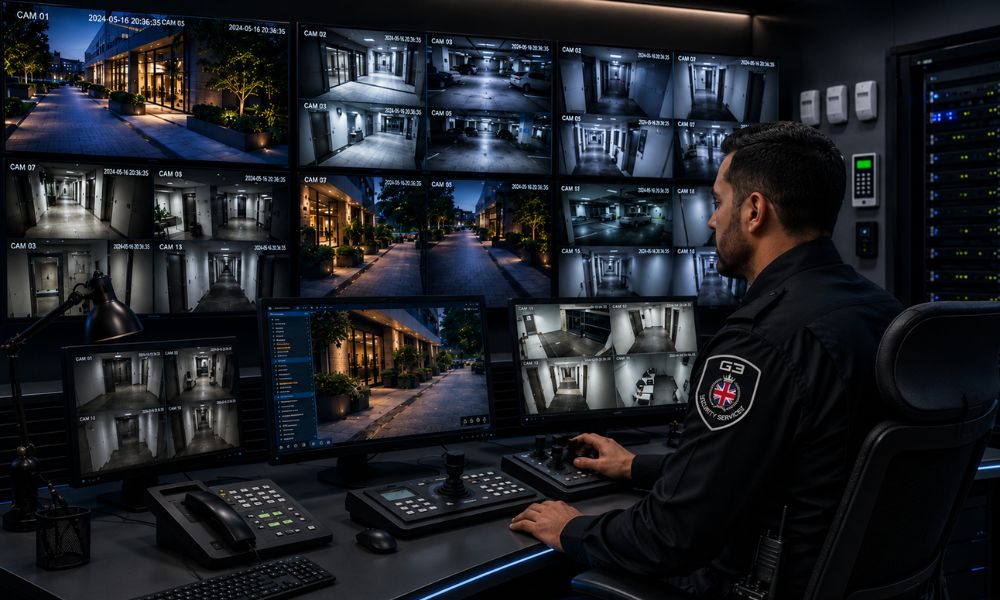
Locks and security officers will always have their place, but modern business protection increasingly relies on technology working around the clock. Electronic security systems, CCTV, access control, alarms and the software that ties them together, give businesses a level of visibility, control and responsiveness that physical measures alone cannot match. For UK organisations facing rising expectations around safety, loss prevention and compliance, these systems have moved from a “nice to have” to a core part of how a business protects its people, premises and assets. What Counts as an Electronic Security System? “Electronic security” is an umbrella term for the connected technologies that monitor and control a site. The main building blocks are: CCTV and Video Surveillance: Cameras that record activity and, increasingly, analyse it Access control: Electronic locks, key cards, fobs, keypads and biometric readers that decide who goes where Intruder Alarms: Sensors that detect unauthorised entry and trigger a response Intercom and Entry Systems: For verifying and admitting visitors remotely Monitoring and Integration Software: The central “brain” that brings these elements together Used individually they each add value. Used together, they form a layered, intelligent defence that is far greater than the sum of its parts. The Key Ways Electronic Security Strengthens Your Business Round-the-clock Monitoring People need breaks, sleep and shift changes, electronic systems don’t. CCTV and alarm systems watch your premises 24 hours a day, every day of the year, including the nights, weekends and bank holidays when many break-ins occur. With remote monitoring, footage and alerts can be viewed from anywhere, so you stay informed even when you’re off site. Powerful Deterrence Visible cameras, alarm signage and electronic entry points send a clear message, this business is protected and watched. Most opportunistic criminals look for easy targets, and the simple presence of a credible electronic system encourages them to move on before they ever attempt anything. Precise Control Over Access Access control lets you decide exactly who can enter your building, and which areas they can reach within it. You can grant access to specific people, restrict sensitive areas such as server rooms or stockrooms, and instantly revoke a lost card or a former employee’s credentials. Every entry is logged, giving you an accurate record of who was where, and when. Rapid Detection and Response When something does go wrong, speed matters. Intruder alarms detect unauthorised entry the moment it happens and can automatically alert keyholders, a monitoring centre or the emergency services. This dramatically shortens the gap between an incident starting and someone responding to it, often the difference between a minor scare and a serious loss. Reliable Evidence If an incident occurs, recorded CCTV footage and access logs provide clear, time-stamped evidence. This is invaluable for police investigations, insurance claims and resolving disputes, whether that’s a theft, an accident, or a disagreement over what happened on site. Protecting Staff as Well as Stock Electronic security isn’t only about assets. Well-placed cameras, controlled entry and panic alarms help safeguard employees, particularly those working late, alone or in customer-facing roles. A workforce that feels safe is a more confident and productive one. Smarter Systems, Smarter Protection Today’s electronic security is increasingly intelligent. Modern systems can offer features such as motion-triggered recording, real-time mobile alerts, and analytics that flag unusual activity rather than simply recording it. Cloud-based platforms allow business owners and managers to check live feeds, review footage and manage access remotely from a phone or laptop. The result is protection that is not just constant, but genuinely proactive. The Business Benefits Beyond Security The advantages extend past stopping crime: Lower Insurance Premiums: Many insurers offer reduced rates for premises with approved security systems. Operational Insight: Access and camera data can reveal footfall patterns, staffing needs and process bottlenecks. Compliance Support: Controlled access and accurate records help meet health and safety, fire safety and data protection obligations. Peace of Mind: Knowing your premises are protected lets you focus on running the business. Technology and Security Guard: Better Together It’s worth remembering that electronic security works best alongside human expertise, not instead of it. Cameras and alarms detect and record, but trained, SIA-licensed officers provide the judgement and physical response that technology cannot. At G3 Security, we build the strongest protection by combining the two, letting technology handle constant monitoring and detection, while our experienced officers handle verification, decision-making and on-the-ground response. This blend of smart systems and skilled personnel ensures your business is never relying on one line of defence alone. The Bottom Line Electronic security systems strengthen business security by delivering what manual measures cannot: continuous monitoring, precise access control, instant detection, hard evidence and powerful deterrence, all while supporting compliance and cutting costs. For any UK business serious about protecting its people, premises and assets, investing in the right electronic systems isn’t an expense so much as a safeguard for everything you’ve built. If you’re unsure which systems suit your premises, a reputable security provider can assess your site and design a tailored solution, combining the right technology with professional support to keep your business secure around the clock.
- Home
- About Us
- About G3
- Mission, Vision & Values
- Security Company in Birmingham
- Corporate Social Responsibility
- Environmental Policy
- Health & Safety Policy
- Quality Policy
- Equality & Diversity Policy
- Workplace Pension Policy
- Workplace Drug & Alcohol Policy
- Anti-Modern Slavery Statement
- Lone Worker Policy
- Gallery
- FAQ
- Privacy Policy
- Leave Us a Feedback
- Services
- Careers
- Blog
- Contact Us