
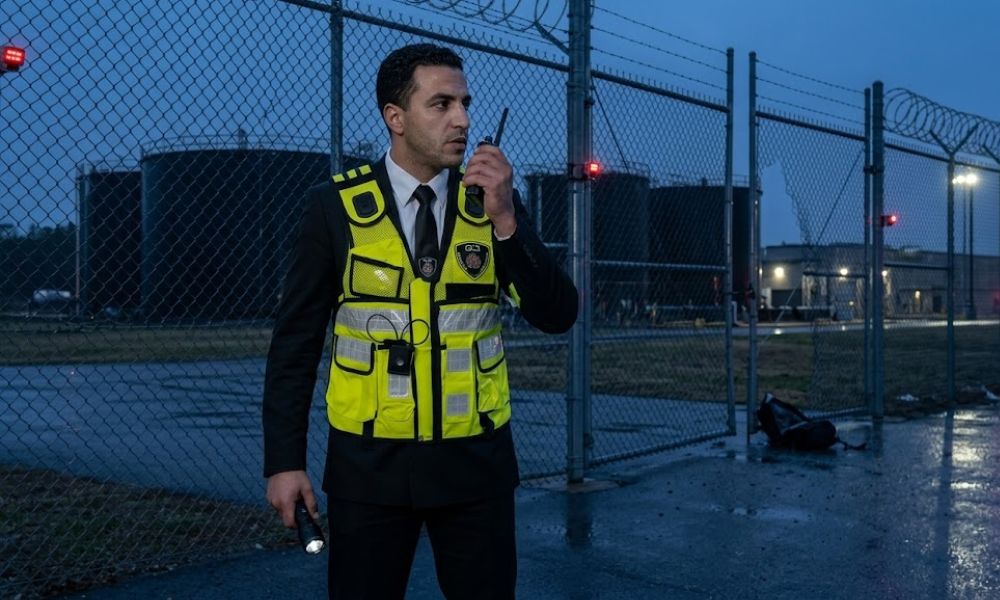
Physical security remains one of the most important concerns for businesses across the UK. While digital threats are widely discussed, real-world risks such as theft, vandalism, trespassing, and workplace violence continue to cause major financial losses and operational disruption.
Across retail, construction, logistics, hospitality, and corporate sectors, businesses face a growing range of physical security challenges. Recent industry reporting highlights continued increases in organised theft, retail crime, and construction site targeting, showing that physical security risks are not reducing but becoming more complex. .
Understanding these threats is essential for businesses that want to protect staff, assets, and daily operations. Below are the top 10 physical security threats facing UK businesses today.
1. Theft and Burglary
Theft remains one of the most common and costly physical security threats in the UK. Businesses of all sizes are affected, from small retail shops to large warehouses and distribution centres. Burglars often target goods that are easy to resell, such as electronics, tools, and branded stock. Construction sites are also frequent targets due to the high value of machinery and materials left unattended overnight. Many theft incidents occur outside business hours when sites are unmonitored. Weak entry points, poor lighting, and lack of surveillance make properties more vulnerable. Retail crime alone continues to place significant pressure on UK businesses, with organised theft becoming increasingly common in recent years.
2. Organised Retail Crime
Organised retail crime has become a serious issue across the UK. Unlike opportunistic shoplifting, these incidents are planned and coordinated by groups targeting multiple stores. These groups often steal high-value goods in bulk and resell them through illegal markets. Common targets include cosmetics, electronics, and products. Retail staff are increasingly facing aggressive behaviour during these incidents, creating additional safety concerns. Businesses are now relying more heavily on security guards, CCTV systems, and loss prevention strategies to reduce exposure. Organised retail crime not only affects stock levels but also impacts staff safety and customer experience.
3. Vandalism and Property Damage
Vandalism continues to affect businesses in both urban and rural areas. It includes broken windows, damaged signage, and destruction of property. Although sometimes seen as minor compared to theft, vandalism can lead to expensive repairs and temporary closure of business premises. It also creates a negative impression for customers and visitors. Unprotected or poorly monitored sites are more likely to be targeted. Vandalism is often linked to anti-social behaviour, especially in areas with limited security presence.
4. Unauthorised Access and Trespassing
Unauthorised access is a major concern for commercial, industrial, and construction sites. Individuals entering restricted areas can cause theft, damage, or safety risks. Construction sites are especially vulnerable due to open perimeters and valuable equipment stored on-site. Warehouses and office buildings also face risks when access control systems are weak or poorly managed. People may enter for different reasons, including theft, vandalism, or simply curiosity. However, even unauthorised presence without criminal intent can still create safety hazards and liability issues. Strong perimeter protection and access control procedures are essential in reducing this risk.
5. Workplace Violence and Aggression
Workplace violence is an increasing concern across retail, healthcare, transport, and customer-facing environments. Security staff and employees are often exposed to verbal abuse, threats, and physical aggression. Retail workers in particular face high levels of abuse during incidents such as shoplifting or conflict over store policies. Healthcare environments also report regular incidents involving patients or visitors.
These situations can speed up quickly without trained security personnel present. Security guards play an important role in managing conflict, maintaining order, and supporting staff during difficult incidents. The rise in aggressive behaviour in public-facing roles has made workplace security a higher priority for many UK businesses.
6. Construction Site Crime
Construction sites remain one of the most targeted environments for physical security threats. Tools, machinery, fuel, and building materials are frequently stolen due to their high resale value. Criminal groups often target sites during weekends, holidays, or overnight periods when activity is low. Even small theft incidents can lead to project delays and financial losses. Some sites experience repeated targeting, especially when security measures are reduced. Fuel theft and copper cable theft are among the most reported issues. Security patrols, CCTV monitoring, and on-site guards are commonly used to reduce these risks.
7. Internal Theft and Staff Misuse
Not all security threats come from outside the business. Internal theft involves employees, contractors, or temporary staff misusing access to steal goods or equipment. This type of risk is often harder to identify because individuals already have authorised entry to the premises. Internal theft can include stock removal, equipment misuse, or manipulation of records. Industries such as retail, logistics, and hospitality are particularly affected due to high staff turnover and access to valuable goods. Businesses often rely on CCTV systems, inventory checks, and access restrictions to manage internal risks.
8. Arson and Fire-Related Damage
Arson is a serious physical security threat that can result in extensive damage to property and risk to life. Vacant buildings, construction sites, and industrial areas are often more vulnerable. Even accidental fires can cause significant disruption if safety systems are not in place or properly maintained. Fire incidents may result in operational shutdowns, financial loss, and long-term damage to business reputation. Regular site inspections, fire detection systems, and restricted access help reduce exposure to fire-related risks.
9. Anti-Social Behaviour
Anti-social behaviour can include noise disturbances, damage to property, or confrontations with staff or security personnel. Vacant buildings and poorly lit areas are especially at risk. Even when no theft occurs, trespassing can create safety risks and legal liability for business owners. Security patrols and physical barriers are often used to reduce these incidents.
10. Vehicle-Related Security Threats
Vehicle-related crime is increasing across the UK. This includes fuel theft, catalytic converter theft, and theft of company vehicles or delivery vans. Car parks, loading bays, and transport yards are common targets, especially during night hours. Commercial fleets are particularly vulnerable due to the value of vehicles and equipment stored inside them. Delivery delays and operational disruption can follow even a single incident. CCTV coverage, gated access, and patrol monitoring are commonly used to reduce vehicle-related risks.
Wider Impact of Physical Security Threats in the UK
Physical security threats are not single incidents. They have wider impacts for business operations, including financial loss, staff safety concerns, insurance costs, and reputational damage. Retail crime continues to rise, with organised groups becoming more active across multiple regions. Construction site theft also remains a long-standing issue, particularly in areas with limited overnight security. Businesses are increasingly investing in layered security strategies that combine physical presence, monitoring systems, and access control measures. Security guards remain a key part of this approach due to their ability to provide real-time response and on-site presence.
How UK Businesses Respond to These Threats
Most businesses now adopt a combination of security measures depending on their risk level. Common approaches include:
- SIA-licensed security guards
- CCTV monitoring systems
- Access control systems
- Alarm response services
- Perimeter fencing and lighting
- Mobile patrol services
Security guards play an important role in many of these strategies, particularly in environments where human presence is needed to manage incidents and maintain order. Technology alone cannot always respond to real-time situations, which is why physical security remains essential.
How Security Guard Company Help to Prevent Crimes
Security guard company play an important role in reducing criminal activity across businesses, construction sites, retail stores, and public spaces. A visible security presence alone often lowers the chances of theft, vandalism, and unauthorised access, as individuals are less likely to approach monitored premises. Trained security guards carry out regular patrols, monitor entry points, and respond quickly to suspicious behaviour, helping to maintain a controlled environment. They also support staff and customers by managing incidents calmly and reporting issues in detail for further action.
At G3 Security Services, our SIA-licensed security personnel are deployed across different industries to support crime prevention through active site monitoring and professional on-ground response. Our team focuses on identifying risks early, maintaining strict access control, and providing a strong security presence tailored to each site’s requirements.
Conclusion
UK businesses continue to face a wide range of physical security threats that affect operations, staff safety, and financial performance. Theft, vandalism, trespassing, workplace violence, and crime remain among the most common risks across multiple industries.
Each threat requires a structured approach to risk management, combining trained security personnel, surveillance systems, and access control measures.
As business environments continue to change, physical security remains a key part of protecting assets and maintaining safe working conditions. Understanding these risks allows organisations to plan better and respond more quickly to challenges across different sectors.