
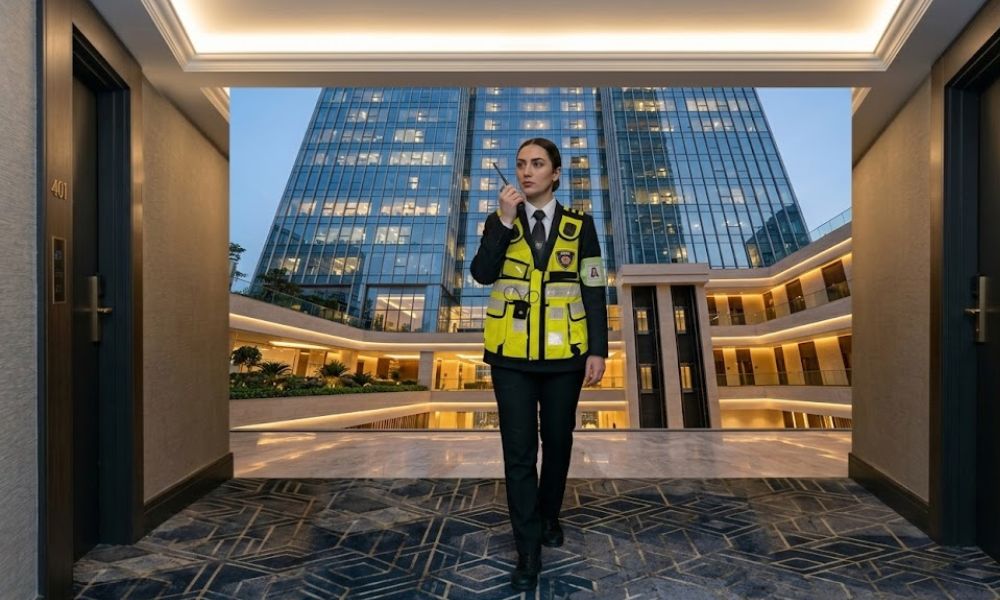
Security guards are a visible part of everyday life in the UK. They are present in shopping centres, offices, construction sites, hospitals, events, and transport hubs. While security guards play an important role, there are still many misunderstandings about their duties and how the profession operates.
These misconceptions often come from outdated ideas or limited public interaction with security staff. In reality, modern security work is structured, regulated, and closely linked to safety, customer service, and risk management.
Understanding the truth behind these assumptions helps businesses, clients, and the public see the real value of licensed security personnel.
Security Guards Only Stand Around Doing Nothing
One of the most common misconceptions is that security guards simply stand at entrances and observe people passing by. While visibility is part of the role, it is only a small portion of their responsibilities.
Security guards actively monitor environments, carry out patrols, check access points, and respond to incidents. In many workplaces, they are constantly moving between different tasks depending on site requirements.
For example, guards in retail environments may monitor CCTV, assist customers, respond to shoplifting incidents, and support store staff. On construction sites, they may check deliveries, secure perimeters, and prevent unauthorised access. In office buildings, they often manage visitor logs and control entry systems.
According to UK security guidance, core duties often include access control, surveillance, incident response, and reporting rather than passive observation alone.
Security Guards are Not Properly Trained
Another widespread misconception is that security guards do not require formal training. In the UK, most frontline security roles require an SIA licence issued by the Security Industry Authority.
To obtain this licence, individuals must complete approved training courses and pass identity and background checks. Training typically includes conflict management, emergency response, communication skills, and legal responsibilities.
SIA training forms the baseline requirement for working in private security and makes sure all licensed guards meet a national standard before entering the industry.
Beyond licensing, many security professionals continue to develop skills in first aid, CCTV monitoring, crowd management, and site-specific procedures.
This structured training contradicts the idea that security work is unskilled or informal.
Security Work is Only About Crime Prevention
Many people assume security guards only deal with theft, vandalism, or criminal behaviour. While crime prevention is part of the job, their responsibilities extend much further.
Security guards also focus on maintaining safety, supporting daily operations, and assisting people on-site. This includes helping visitors, guiding customers, managing queues, and supporting emergency procedures such as evacuations or fire alarms.
In many environments, guards act as the first point of contact during unexpected situations. They help maintain order, provide instructions, and coordinate with emergency services when needed.
Their presence contributes to both safety and operational stability rather than just crime control.
Security Guards Have the Same Powers as Police
A common misunderstanding is that security guards have the same legal authority as police officers. In the UK, this is not the case.
Security guards operate under the same legal framework as private citizens with additional responsibilities granted by their employer. Their authority is based on property rights and site instructions rather than police powers.
They cannot carry out formal arrests in the same way as police officers, although they may detain individuals under specific legal conditions until authorities arrive.
Security guards act as representatives of the site they protect rather than law enforcement officers.
Security Guards Rely on Physical Force
Another misconception is that security work is based on physical strength or frequent use of force. In reality, modern security training places strong emphasis on communication and conflict management.
Guards are trained to reduce situations through calm communication and observation before considering any physical intervention.
Physical action is only used in limited situations where safety is at risk and other methods are not appropriate.
Recent industry discussions and training updates highlight a shift away from aggressive stereotypes, focusing instead on professionalism, communication, and public safety awareness.
This approach helps reduce conflict and supports safer outcomes for everyone involved.
All Security Guards Do the Same Job
It is often assumed that all security guards perform identical duties, but the reality is far more varied. Security roles differ depending on the environment, risk level, and industry requirements. Common positions include static security guarding, mobile patrol officers, CCTV monitoring operators, door supervisors, event security staff, construction site security, and corporate front-of-house security. Each role comes with its own set of responsibilities and requires specific skill sets. For instance, CCTV operators focus primarily on surveillance systems, while event security staff manage crowd flow and entry control. This variety highlights that security is a broad profession with multiple career paths and opportunities for specialisation.
Security Guards Do Not Need Communication Skills
Some people believe security work is mainly physical and does not involve communication. In reality, communication is one of the most important parts of the job.
Security guards interact with a wide range of people including customers, employees, management teams, and emergency services.
They are responsible for providing clear instructions during incidents, handling disputes calmly, and writing detailed incident reports.
Good communication helps prevent misunderstandings, reduce tension, and support effective incident handling.
In many environments, security staff also act as the first point of contact for visitors, meaning their communication skills directly impact customer experience.
Security Guards Only Work at Night
Another misconception is that security guards only work night shifts. While night security is common, guards also work during daytime hours depending on site requirements.
Day shifts often involve managing visitor access, monitoring busy environments, and providing customer support. Night shifts tend to focus more on site protection, patrols, and surveillance when activity levels are lower.
Many businesses require 24-hour security coverage, meaning guards rotate across different shifts including mornings, evenings, and overnight schedules.
Security work is based on operational needs rather than fixed working hours.
Security Guards are Not Important for Business Success
Some businesses underestimate the importance of security staff, viewing them as optional rather than essential. In reality, security guards play a key role in protecting operations and reducing risks.
They help prevent theft, vandalism, and unauthorised access while also supporting staff during emergencies and maintaining order in busy environments.
Without security personnel, businesses may face higher risk levels, operational disruptions, and safety concerns.
Security presence also contributes to customer confidence. A visible and professional security team creates a sense of safety for visitors and employees.
Security Guards Do Not Play a Customer-Facing Role
Another misconception is that security guards only focus on protection and do not interact with people in a helpful way. In modern security roles, customer interaction is a key responsibility.
Security guards often assist visitors, provide directions, manage queues, and support accessibility needs.
In retail, hospitality, and corporate environments, guards contribute to the overall customer experience.
Their behaviour and communication can influence how people view a business, making customer service an important part of the role.
Conclusion
Security guards play a far more complex and professional role than many people realise. Misconceptions about the job often overlook the training, responsibility, and structure involved in modern security work.
From managing access control and supporting customers to responding to incidents and maintaining safety, security guards contribute to a wide range of operational needs across the UK.
Their role is regulated, trained, and essential in many environments, including retail, construction, corporate, healthcare, and events.
Understanding the reality behind these misconceptions helps create a clearer picture of the security industry and highlights the importance of licensed professionals in maintaining safe and organised environments.