
Burglary is rarely a random act. In most cases, offenders assess a property before deciding whether to target it, looking for subtle signs that indicate vulnerability, absence, or an easy point of entry. Understanding what burglars actually look for gives homeowners a significant advantage, allowing them to address weaknesses before they are exploited.
This guide outlines the most common signs that a property may be attractive to burglars, along with practical steps to reduce the risk.
Why Burglars Target Specific Homes
Burglars generally follow a pattern of behaviour rooted in opportunity and risk assessment. They favour properties that offer the greatest reward for the least effort and the lowest chance of being seen or caught. This means that even small, seemingly insignificant details, an overgrown hedge, a light left off, a gate left unlocked, can influence whether a property is chosen as a target.
Recognising these signs is the first step towards making a home less appealing to opportunistic and professional burglars alike.
1. Overgrown Gardens and Neglected Exteriors
A garden that has been left to grow wild, combined with peeling paint, a broken fence, or general disrepair, can suggest that a property is either unoccupied or poorly monitored. Overgrown shrubs and hedges near doors and windows also provide convenient cover, allowing an intruder to work unseen from the street or neighbouring properties.
Keeping the exterior of a home well-maintained signals an attentive owner and removes potential hiding spots close to entry points.
2. Piled-Up Post and Deliveries
Uncollected post, newspapers, or parcels stacking up at the front door are among the clearest indicators that a homeowner is away. This is particularly relevant during holiday periods, when burglars are known to actively look for these signs while walking or driving through residential streets.
Arranging for a neighbour to collect post and deliveries, or using a Royal Mail redirection or holding service, removes this obvious giveaway.
3. Predictable Routines
Burglars often observe a property over several days before acting, watching for patterns such as consistent departure and return times, or a house that is empty at the same time each day. Publicly shared routines, whether through visible daily habits or social media posts, including holiday check-ins and location tags, can inadvertently confirm when a property will be unoccupied.
Varying routines where possible, and avoiding real-time posts about being away from home, helps reduce this risk.
4. Weak or Outdated Locks
Older lock systems, particularly single-cylinder locks or basic window latches, are significantly easier to bypass than modern alternatives. Many burglars specifically look for visible lock types they know how to defeat quickly.
British Standard five-lever mortice locks, window locks, and reinforced door frames all make a property considerably harder to breach, and are a worthwhile investment for any homeowner concerned about security.
5. No Visible Security Measures
A home with no alarm box, no CCTV cameras, and no security signage sends a clear signal that it is unprotected. Burglars typically prefer properties without these deterrents, as they carry a lower risk of detection or intervention.
Even visible signage indicating a monitored alarm system or security service can act as a strong deterrent, often causing a burglar to move on to an easier target rather than risk investigation.
6. Poor Exterior Lighting
Dark porches, unlit driveways, and shadowed side passages provide excellent cover for anyone attempting to force entry unnoticed. Poor lighting is particularly exploited during the darker winter months, when extended hours of darkness give burglars more opportunity to operate discreetly.
Motion-activated security lighting around entry points, side gates, and driveways significantly reduces the appeal of a property after dark.
7. Easy Access Points
Unlocked side gates, low garden fences, accessible windows, and ladders or wheelie bins left within reach of upper floors all present opportunities for a determined intruder. Many burglars will test these access points before attempting a more difficult entry through the front of a property.
Securing side gates, storing ladders and tools out of sight, and ensuring garden furniture cannot be used to reach upper windows all help close off these easy routes.
8. Valuables Visible Through Windows
Electronics, jewellery, handbags, or cash left in clear view of windows can effectively advertise what is inside a property. This is especially risky for ground-floor rooms facing the street, where valuables can be spotted with minimal effort.
Simple habits, such as keeping curtains or blinds closed in the evening and positioning valuable items out of direct line of sight, reduce this exposure considerably.
9. Isolated Properties with Limited Community Vigilance
Homes on quiet streets, at the end of cul-de-sacs, or in areas with little neighbourly interaction are statistically more vulnerable, simply because there are fewer people around to notice suspicious activity. Burglars tend to favour locations where they are less likely to be observed or challenged.
Building relationships with neighbours and participating in local Neighbourhood Watch schemes can significantly increase the likelihood that unusual activity is noticed and reported.
10. Lack of Security Signage or Deterrents
Even where a home has some security measures in place, a lack of visible signage can mean those measures go unnoticed by potential intruders. Alarm company branding, CCTV warning signs, and visible camera housings all serve as psychological deterrents, often enough to redirect a burglar’s attention elsewhere.
Visible deterrents work because they increase perceived risk. Burglars are generally looking for the path of least resistance, and clear signs of protection make a property look far less attractive.
How Professional Security Services Can Help
While individual measures such as improved lighting or basic locks go a long way, many homeowners and residential areas benefit from professional security support to close remaining gaps.
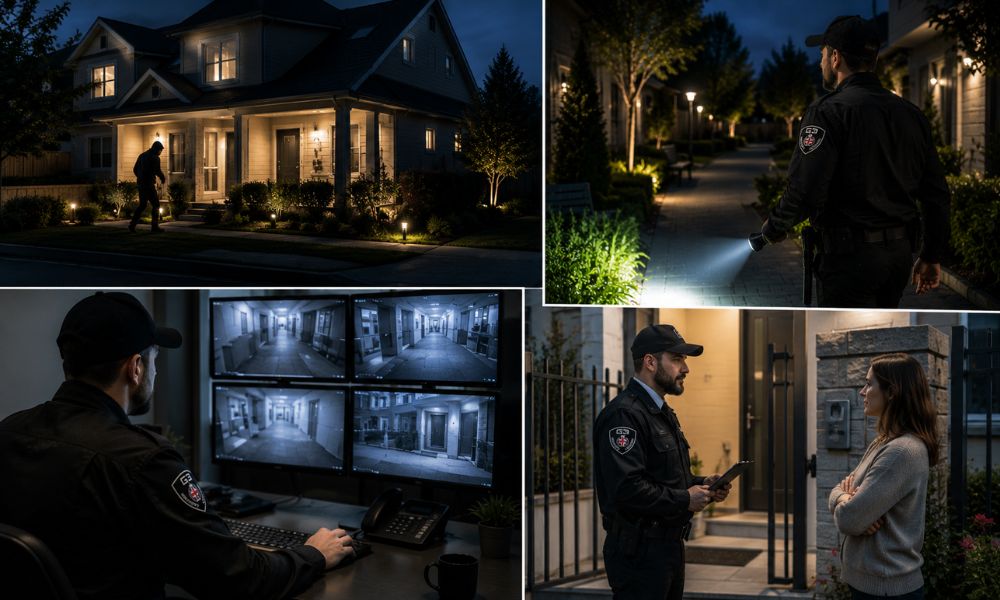
At G3 Security, we work with homeowners and residential communities to identify vulnerabilities before they are exploited. Our services include mobile patrols that provide a visible presence and regular checks on properties, alarm response for a swift reaction to triggered systems, and vacant property inspections for homes left empty during holidays or extended absences. We also carry out tailored risk assessments, helping residents understand exactly where their property may be exposed and what steps will make the biggest difference.
A professional approach ensures that security measures are not just present, but genuinely effective, giving homeowners confidence that their property is properly protected rather than relying on guesswork.
Conclusion
Burglars rarely act on impulse. They look for specific signs, neglected exteriors, predictable routines, poor lighting, weak locks, and a lack of visible deterrents, before deciding whether a property is worth the risk. By understanding these warning signs and addressing them proactively, homeowners can make their property a far less attractive target.
Combining simple, low-cost changes with professional security support, such as mobile patrols, alarm response, and tailored risk assessments, offers the strongest level of protection. Taking these steps not only reduces the likelihood of burglary but also provides genuine peace of mind for homeowners and their families.