
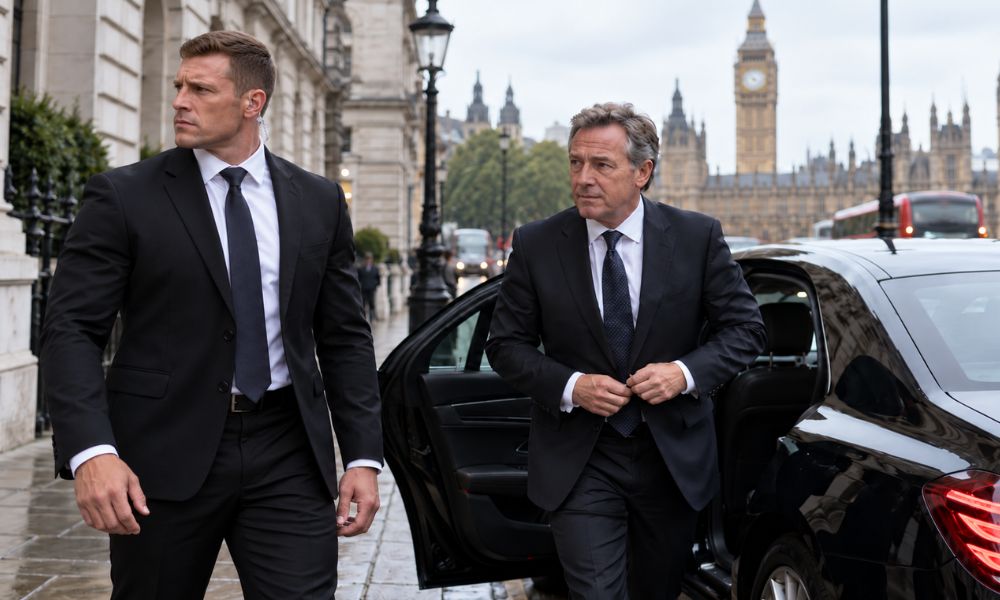
Becoming a bodyguard starts with understanding the responsibility of protecting another person. Before choosing a training course, consider whether you have the patience, discipline and judgement the role demands. Known in the UK as close protection officers, bodyguards must plan carefully, stay alert and handle sensitive situations with discretion.
The work also requires clear communication, personal fitness and the ability to adapt when plans change. Clients rely on bodyguards to respect their privacy and make sensible decisions under pressure. Whether you are starting your first career or moving from another profession, understanding these expectations will help you prepare. This guide explains the skills, training and licensing steps you need to begin your career.
What Does a Bodyguard Do?
A bodyguard protects a client against threats to their personal safety. In the UK, the SIA identifies close protection as guarding people against physical assault or injury. Where the work falls within its licensing rules, an SIA close protection licence is required.
The day-to-day assignment depends on the client. It might involve accompanying someone to meetings, supporting travel or working with a wider security team during public appearances.
Before accepting a role, understand the responsibilities involved. Ask whether the assignment includes travel, driving, residential duties or coordination with other officers. These details affect the skills and availability you will need.
What Qualities Do You Need to Become a Bodyguard?
Patience, punctuality, integrity, discretion, commitment and personal fitness are important qualities for a bodyguard. The work can involve long periods of waiting and requires alertness, sound judgement and clear communication alongside physical strength.
Patience and Alertness
You should be comfortable remaining focused when little is happening. Waiting for a meeting to finish or a schedule to change still requires attention and professional behaviour.
Reliability
Arriving prepared and on time helps the whole team. Develop habits that support dependable work, including checking instructions, planning your journey and keeping necessary equipment ready.
Discretion
Treat information about the client’s movements, family and personal affairs carefully. Ask about confidentiality expectations before an assignment and follow the agreed rules.
Fitness and Judgement
Build practical fitness that supports the work you intend to do. Combine it with calm decision-making, communication and an understanding of your responsibilities.
Do You Need a Military or Police Background?
A military or police background is not essential to become a bodyguard. Civilians can develop the skills needed for close protection, while previous military or police service does not automatically make someone suitable for the role.
If you are changing careers, consider the skills you already have. Customer-facing work can help with communication, driving experience may support transport duties, and other security work can build reporting and teamwork skills.
Be accurate about your experience. Explain how your skills relate to the role without presenting unrelated work as close protection experience.
Check Your Eligibility Before Paying for Training
Review the SIA’s eligibility guidance before investing in a course. Applicants must be at least 18, and the application process includes checks relating to identity, qualifications and criminal records. Right-to-work requirements also apply as described in the official guidance.
Do not confuse licensing criteria with an employer’s preferences. A company may have additional requirements for a particular assignment.
If you have questions about your circumstances, check the official guidance before paying a deposit. A training provider can explain its course requirements, but completing a course does not guarantee that the SIA will grant a licence.
Complete the Required First Aid Qualification
You need an accepted first aid qualification before starting the training for a full close protection qualification or its refresher qualification. The SIA states that the certificate must remain valid for at least another 12 months when you begin that training.
Confirm the accepted qualification with your provider before booking. Ask whether first aid is included in the advertised price or must be completed separately.
Keep your certificate and record its expiry date. Planning ahead can help you avoid delays when booking further training.
Choose a Recognised Close Protection Course
For a new entrant, the current full qualification listed by the SIA is the Level 3 Certificate for Close Protection Operatives Working in the Private Security Industry. Training must come from a provider approved by an awarding organisation offering the relevant licence-linked qualification. Before enrolling, ask the provider:
- Which awarding organisation issues the qualification?
- What practical training and assessments are included?
- What experience do the instructors have?
- Which fees are included in the advertised price?
- What happens if you need to resit an assessment?
- What support is available after the course?
Get important answers in writing. This makes courses easier to compare and reduces uncertainty about additional expenses.
What Should You Look for in the Training Programme?
Request the syllabus and check how the provider teaches both knowledge and practical skills. Look for subjects such as planning, risk assessment, communication, route selection, surveillance awareness, venue security and conflict management.
Look for opportunities to practise making decisions and working with others. Ask how instructors give feedback and assess performance.
You should also understand attendance requirements before booking. Arrange enough time to participate fully rather than trying to fit an intensive course around commitments that could interrupt your learning.
Apply for Your SIA Close Protection Licence
Once you have the required qualification, follow the SIA application process. The awarding organisation must notify the SIA of your qualification before you can submit the application.
You can apply through an SIA online account. Follow the instructions for identity verification, supporting information and payment, then monitor requests or updates through your account. Passing the course and receiving the licence are separate stages. Confirm that you have the authorisation required for an assignment before starting work.
Allow time for the application process when making financial or employment plans. Avoid committing to a start date based only on the day your course finishes.
Prepare a Clear Close Protection CV
Your CV should make your qualifications and relevant experience easy to assess. Include accurate contact details, licence information where appropriate, training, first aid qualifications and employment history.
Describe responsibilities clearly. If you have worked in another security role, explain what you did rather than using broad claims such as “experienced in all aspects of protection”.
Include useful additional skills, such as languages or a driving licence, where they are relevant and accurate. Keep the document concise and check spelling, dates and contact information before sending it.
How Much Does It Cost to Become a Bodyguard?
Build a complete budget before enrolling. Course fees are only one part of the cost. Your budget may need to include:
- First aid training.
- Close protection training and assessments.
- The SIA application fee.
- Travel and accommodation.
- Assessment resits.
- Time away from paid employment.
- Future training and renewal expenses.
Ask each provider for an itemised quotation. Check the current SIA fee directly before applying, as official fees can change. Compare what you receive for the price. Clear terms, appropriate instruction and useful feedback should form part of your decision.
How Long Does It Take to Become a Bodyguard?
There are three separate stages. completing training, obtaining the necessary licence and finding suitable work. Ask the training provider for its full timetable, including first aid prerequisites and assessment dates. Then allow for the licensing process and your job search.
Your starting point will affect your plan. Someone who already holds suitable first aid qualifications may need fewer preparatory steps than someone beginning from scratch. Set a realistic timeline and keep enough financial flexibility to manage delays.
Conclusion
Becoming a bodyguard in the UK requires patience, sound judgement and a commitment to protecting others. Start by checking your eligibility, completing the required first aid qualification and choosing a recognised close protection course. Once qualified, apply for your SIA licence and prepare a clear CV that reflects your skills and experience honestly.
Plan your budget and allow time for training, licensing and finding work. Qualifications provide a foundation, while reliability, discretion and continued learning will help you develop your career in close protection.