Organising an event, whether it is a corporate function, music festival, wedding, or community gathering, involves more than just logistics and entertainment. Safety must be a core part of the planning process. Without a clear approach to security, even a well-organised event can face disruption, reputational damage, or serious incidents.
An event security checklist provides a structured way to think through potential risks and plan how to deal with them. It allows organisers to prepare for different scenarios, assign responsibilities, and maintain control throughout the event lifecycle.
Why You Need an Event Security Checklist
Every event carries some level of risk. These risks may relate to crowd behaviour, environmental conditions, access control, or external threats. Without a checklist, it is easy to overlook critical areas that require attention.
A well-prepared checklist supports better organisation and reduces risks. It allows event planners to break down security into manageable steps and address each one in advance. Here are some key reasons why an event security checklist is essential:
Clarity and Structure
Planning security can feel challenging, especially for large events. A checklist provides a clear framework, helping you stay focused and organised.
Risk Awareness
It encourages you to think ahead about what could go wrong and how those situations might be handled.
Improved Communication
When everyone works from the same checklist, it becomes easier to share information and coordinate actions among staff, volunteers, and contractors.
Legal and Safety Compliance
Many events must meet local safety regulations. A checklist helps you cover key requirements and avoid potential penalties.
Event Security Checklist
An event security checklist acts as a step-by-step guide to help you plan and manage safety across every stage of your event. It brings together all key areas, from identifying risks to managing crowds and handling emergencies, so nothing important is missed.
By following a structured checklist, organisers can break down complex tasks into clear actions, making it easier to coordinate teams, monitor activities, and respond to issues on the day.
Conduct a Risk Assessment
The first step in any event security plan is a thorough risk assessment. This involves identifying potential hazards and assessing how likely they are to occur and what impact they could have.
Start by reviewing the type of event you are hosting. A small indoor seminar will have very different risks compared to a large outdoor concert. Consider the following factors:
- Location: Is the venue indoors or outdoors? Are there nearby hazards such as roads, rivers, or construction sites?
- Crowd Size: Larger crowds can increase the chances of overcrowding, pushing, or delays in evacuation.
- Audience Profile: Different groups behave in different ways. A family event will have different considerations compared to a late-night music event.
- Weather Conditions: Outdoor events are particularly affected by weather, including rain, heat, or strong winds.
- Historical Data: Review past events at the same venue or similar events to identify common issues.
After identifying the risks, prioritise them according to how likely they are to happen and the level of impact they may have. This will help you decide which areas require more attention..
Create an Emergency Response Plan
An emergency response plan outlines how your team will respond to unexpected situations. Without a clear plan, confusion can arise during critical moments.
Your emergency response plan should include:
- Evacuation Procedures: Identify all exits and ensure they are clearly marked and accessible. Plan routes that allow people to leave the venue quickly and safely.
- Assembly Points: Designate safe areas where attendees can gather after evacuation. These points should be away from potential hazards.
- Roles and Responsibilities: Assign specific tasks to team members. For example, some staff may guide attendees to exits, while others communicate with emergency services.
- Communication Systems: Decide how information will be shared during an emergency. This could include radios, public address systems, or mobile communication.
- Emergency Contacts: Keep a list of important contacts, including police, fire services, medical teams, and venue management.
Training is just as important as planning. All staff should be briefed on emergency procedures before the event begins.
Secure the Perimeter
Perimeter security defines the boundaries of your event and controls who can enter or exit. Without clear boundaries, it becomes difficult to manage crowds or prevent unauthorised access.
Steps to secure the perimeter include:
- Fencing & Barriers: Use physical structures such as fencing and barriers, along with natural boundaries, to clearly define the event area and limit unauthorised access.
- Controlled Entry and Exit Points: Set up designated entry and exit points to manage the flow of attendees and maintain better control over access.
- Security Staff at Access Points: Position trained event security guard at all entrances and exits to monitor activity and respond to any issues.
- Clear Signage for Attendees: Install visible signage to guide attendees around the venue, including directions for entry, exits, and key areas.
A well-defined perimeter also helps with crowd flow, making it easier for attendees to move around the space.
Manage Crowd Control
Crowd management is one of the most important aspects of event security. Poor crowd control can lead to overcrowding, confusion, and even injuries.
To manage crowds effectively:
- Understand Capacity Limits: Know the maximum number of people your venue can safely hold. Do not exceed this limit.
- Design Clear Layouts: Create walkways and zones that guide movement. Avoid bottlenecks and narrow pathways.
- Use Barriers Where Needed: Barriers can help direct crowds and prevent access to restricted areas.
- Monitor Crowd Behaviour: Keep an eye on how people are moving and reacting. Look for signs of overcrowding or distress.
- Position Staff Strategically: Place trained personnel in high-traffic areas to guide attendees and respond to issues quickly.
Proper crowd management helps maintain order and reduces the risk of incidents.
Surveillance and Monitoring Systems
Monitoring your event in real time allows you to identify and respond to issues as they arise. Surveillance systems provide visibility across different areas of the venue.
Common monitoring tools include:
- CTV Coverage: Install CCTV cameras to monitor entrances, exits, and high-traffic areas across the venue.
- On-Site Monitoring Teams: Deploy teams on the ground to observe crowd behaviour and respond to any unusual activity.
- Communication Devices: Provide staff with communication tools such as radios to stay connected and share updates quickly.
- Lighting for Evening Events: Set up proper lighting to maintain visibility and support safety during evening or low-light conditions.
Monitoring should be continuous throughout the event. Any unusual activity should be reported and addressed promptly.
Implement Access Control Measures
Access control makes sure that only authorised individuals can enter certain areas. This is particularly important for backstage zones, VIP sections, and staff-only areas.
Effective access control measures include:
- Ticket Verification: Check tickets at entry points, either manually or through digital systems.
- Wristbands or Badges: Use visible identifiers to distinguish between attendees, staff, and special guests.
- Bag Checks: Inspect bags where necessary to prevent prohibited items from entering the venue.
- Restricted Zones: Clearly mark areas that are off-limits and monitor them closely.
Clear access control reduces confusion and helps maintain order.
Plan for Medical Emergencies
Medical incidents can happen at any time, regardless of the event size. Being prepared can make a significant difference in how situations are handled.
Your medical planning should include:
- First Aid Stations: Place first aid stations in easily reachable locations so attendees can access medical help quickly when needed.
- On-Site Medical Staff: Have qualified medical professionals present at the event to respond to health-related incidents.
- Emergency Vehicle Access Routes: Keep clear and direct routes available for emergency vehicles to move in and out of the venue without delay.
- Medical Assistance Signage: Use clear signage throughout the venue to guide attendees towards medical support points.
Staff should also know how to respond to common medical situations and how to contact medical teams quickly.
Conduct a Post-Event Debrief
Once the event has finished, it is important to review what took place. A post-event debrief helps you understand what worked well and what could be improved.
During the debrief, consider:
- Incidents and Near Misses: Review any incidents or near misses that occurred during the event to understand what happened and why.
- Staff and Attendee Feedback: Collect feedback from both staff and attendees to gain insight into their experience and identify key concerns.
- Communication Review: Assess how effectively information was shared between teams during the event.
- Areas for Improvement: Identify parts of the planning and execution that could be refined for future events.
Document your findings and use them to improve future events.
Hire Professional Security Company
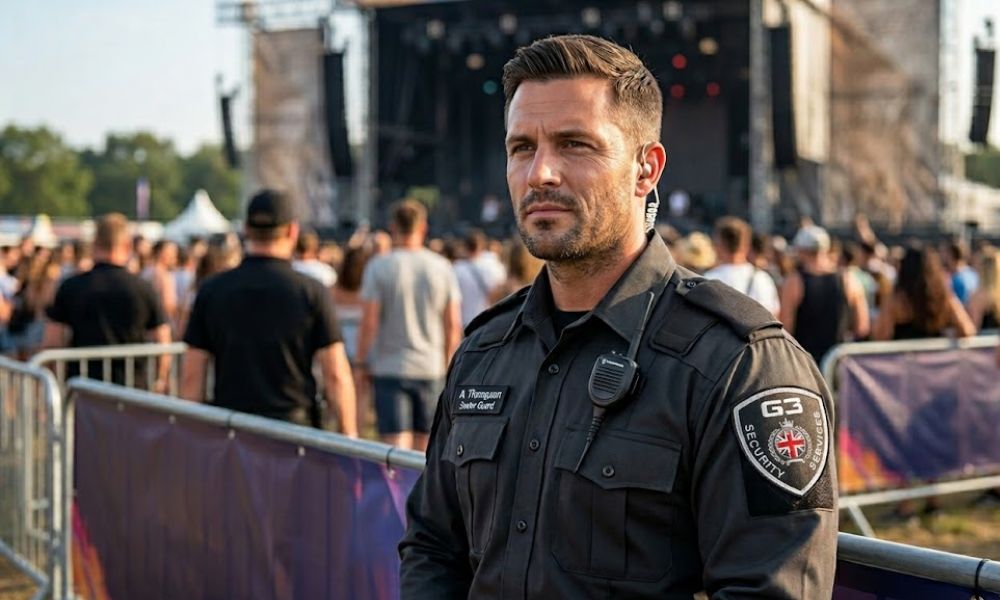
Professional security staff play a key role in maintaining safety and order. Their training and experience allow them to handle a wide range of situations.
When hiring security personnel:
- Licences and Qualifications: Verify that security personnel hold valid licences and relevant professional qualifications before hiring.
- Experience with Similar Events: Review their previous work history to see how they have handled events of a similar type and scale.
- Staffing Requirements: Decide on the number of security staff needed based on the size, layout, and nature of the event.
- Event Briefing and Responsibilities: Provide a full briefing covering event details, potential risks, and clearly defined duties for each team member.
Security staff from a professional security company should be visible and approachable throughout the venue. They should also remain ready to respond when needed and handle situations in a calm and controlled manner.
Conclusion
Event security is not something to be left to chance. A clear and detailed checklist allows organisers to plan ahead, reduce risks, and manage situations with confidence.
From risk assessment to post-event review, each step plays a vital role in creating a safe environment. By taking a structured approach and paying attention to important areas such as crowd control, access management, and emergency planning, you can deliver an event that runs smoothly and safely for everyone involved.