
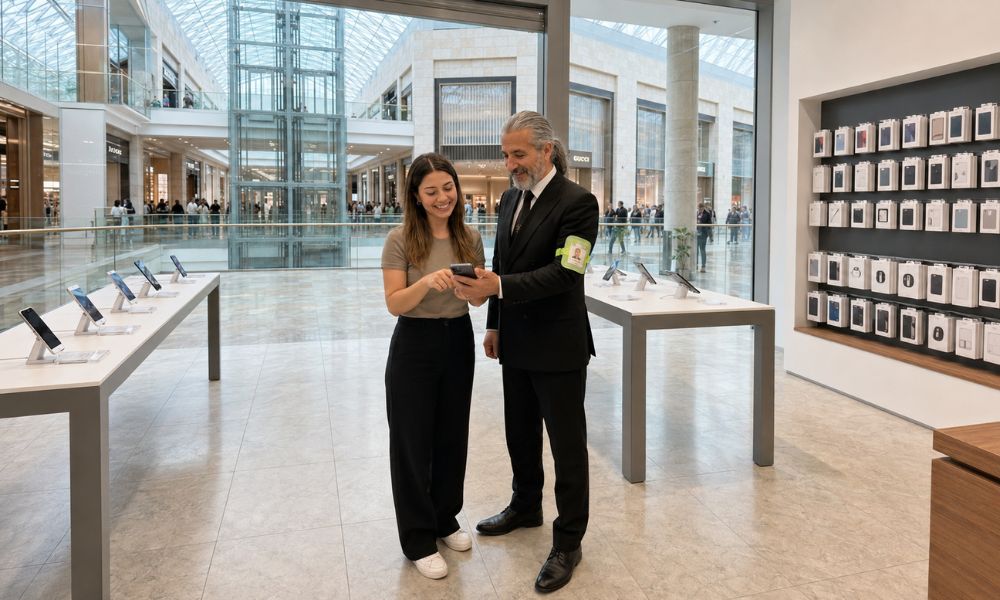
Security officers are often seen as people who stand at entrances, monitor CCTV systems, and manage access to buildings. While these responsibilities are important, their role goes far from protection. In many businesses across the UK, security officers are also the first and last point of contact for visitors, staff, and customers. This makes their interaction skills just as important as their operational duties.
Customer service in security is about creating a safe, welcoming, and organised environment where people feel comfortable and supported. Whether working in corporate buildings, retail spaces, hospitals, hotels, or events, security officers shape the public’s impression of a business from the moment they arrive.
The Role of Customer Interaction in Security Work
Security work is no longer limited to surveillance and access control. Today, officers are expected to communicate clearly, assist visitors, and represent the organisation in a professional manner.
Every greeting, direction given, or situation managed contributes to how people view the business. A calm and respectful interaction can make visitors feel at ease, even in busy or high-pressure environments.
Customer service in security involves:
- Welcoming visitors politely
- Providing clear directions
- Assisting with queries
- Managing entry procedures smoothly
- Handling concerns calmly
These responsibilities require awareness, patience, and strong communication skills.
First Impressions Matter in Every Sector
The first point of contact often shapes how a visitor perceives an organisation. Security officers are usually stationed at entrances, reception areas, or access points, making them the initial representative of the business.
A professional greeting, confident body language, and polite communication set the tone for the entire visit. Even in high-security environments, a respectful and approachable manner helps people feel more comfortable.
Simple actions such as acknowledging visitors quickly, maintaining eye contact, and speaking clearly can significantly improve the experience.
Communication Skills in Security Roles
Strong communication is central to customer service in security work. Officers interact with a wide range of people, including employees, visitors, contractors, and emergency personnel.
Clear communication involves:
- Speaking in a calm and understandable way
- Listening carefully to concerns or requests
- Giving simple directions without confusion
- Adjusting tone depending on the situation
Security officers often deal with individuals who may be unfamiliar with the building layout or procedures. Providing straightforward instructions helps prevent confusion and delays.
Written communication also plays a role, especially when completing reports, logging incidents, or passing information to colleagues.
Managing Difficult Situations Calmly
Security officers frequently encounter situations that require calm judgement. These may include disputes, unauthorised access attempts, or individuals who are upset or confused.
In such moments, the officer’s approach can influence how quickly the situation settles. Remaining composed, speaking in a steady tone, and avoiding confrontation helps reduce tension.
Key approaches include:
- Listening without interruption
- Acknowledging concerns respectfully
- Offering clear guidance on next steps
- Keeping distance when necessary for safety
The goal is to maintain order while treating all individuals with respect.
Supporting Visitors and Staff
Security officers often assist people who need help finding locations, understanding procedures, or accessing services within a building. This support is especially important in large complexes such as hospitals, shopping centres, and office buildings.
For example:
- Directing visitors to meeting rooms or departments
- Helping patients or guests find hospital areas
- Assisting delivery drivers with access points
- Guiding contractors to designated zones
These interactions may seem small, but they contribute greatly to a smooth and organised environment.
Customer Service in Retail Security
Retail environments rely heavily on security officers to support both safety and customer experience. Officers are often positioned at store entrances or patrol sales floors.
In this setting, they may:
- Welcome customers as they enter
- Monitor behaviour discreetly
- Assist with lost items or queries
- Support store staff during busy periods
A friendly and approachable presence can make shoppers feel more comfortable while still maintaining order within the store.
Security in Corporate and Office Environments
In corporate buildings, security officers often manage reception areas and visitor access systems. Their interaction with clients, employees, and business partners reflects directly on the organisation.
Typical responsibilities include:
- Checking identification
- Issuing visitor passes
- Directing guests to meeting areas
- Managing delivery access
Professional behaviour and clear communication are important in maintaining a smooth flow of people through the building.
Hospitality and Event Security
Hotels, entertainment venues, and events require a more guest-focused approach. Security officers in these environments often interact closely with large numbers of people in dynamic settings.
Their duties may involve:
- Welcoming guests at entrances
- Managing crowd movement
- Assisting with seating or directions
- Supporting emergency procedures if needed
A polite and approachable manner contributes to a positive guest experience while maintaining order.
Training and Development in Security Roles
Security officers develop customer interaction skills through structured training and on-the-job experience. This includes learning how to communicate in different situations, handle disputes calmly, and support people with varying needs.
Training often covers:
- Conflict management techniques
- Communication skills
- Emergency response procedures
- Public interaction standards
- Legal and organisational guidelines
Continuous development helps officers adapt to different environments and expectations.
Use of Technology in Modern Security Work
Modern security operations rely on technology to support both safety and customer interaction. Systems such as access control, CCTV monitoring, and visitor management software help officers manage daily tasks more smoothly.
Technology supports officers by:
- Recording visitor details quickly
- Tracking access permissions
- Monitoring building activity
- Supporting communication between teams
This allows officers to spend more time interacting with people rather than handling manual processes.
Professional Behaviour in Public Roles
Security officers represent the organisation they work for, so professional behaviour is essential. This includes appearance, attitude, and interaction style.
Key aspects include:
- Maintaining a neat and presentable uniform
- Remaining calm in all situations
- Treating everyone with respect
- Avoiding unnecessary confrontation
A professional approach helps build trust with visitors and staff while maintaining order within the environment.
Common Mistakes That Affect Customer Experience
Even experienced officers can occasionally fall into habits that impact how their service is perceived. Some common issues include:
- Giving unclear directions
- Responding too quickly without listening fully
- Using overly formal or overly casual language
- Ignoring visitor concerns due to workload
Awareness of these behaviours helps officers adjust their approach and improve interactions over time.
Building Strong Public Interaction Skills
Good customer service in security roles is developed over time through experience and reflection. Officers who regularly engage with the public become more confident in handling a variety of situations.
Important habits include:
- Staying attentive to surroundings
- Listening carefully before responding
- Maintaining calm communication during pressure situations
- Treating every interaction as important
These habits contribute to a smoother experience for visitors and staff alike.
The Value of Security Officers in Customer Experience
Security officers play a vital role in shaping how people experience a business or organisation. They are often the first people visitors meet and the last they see when leaving.
Their presence contributes to:
- A structured and organised environment
- A sense of safety for visitors and staff
- Clear communication across the site
- Positive impressions of the organisation
By combining safety responsibilities with strong interaction skills, security officers support both protection and public experience.
Conclusion
Security officers do far more than monitor buildings and control access points. They are an important part of customer interaction within many industries across the UK. Through clear communication, calm handling of situations, and supportive behaviour, they help create a smooth and welcoming environment for everyone who enters a site.
Their role bridges safety and public interaction, making them a key part of both security operations and customer experience.