
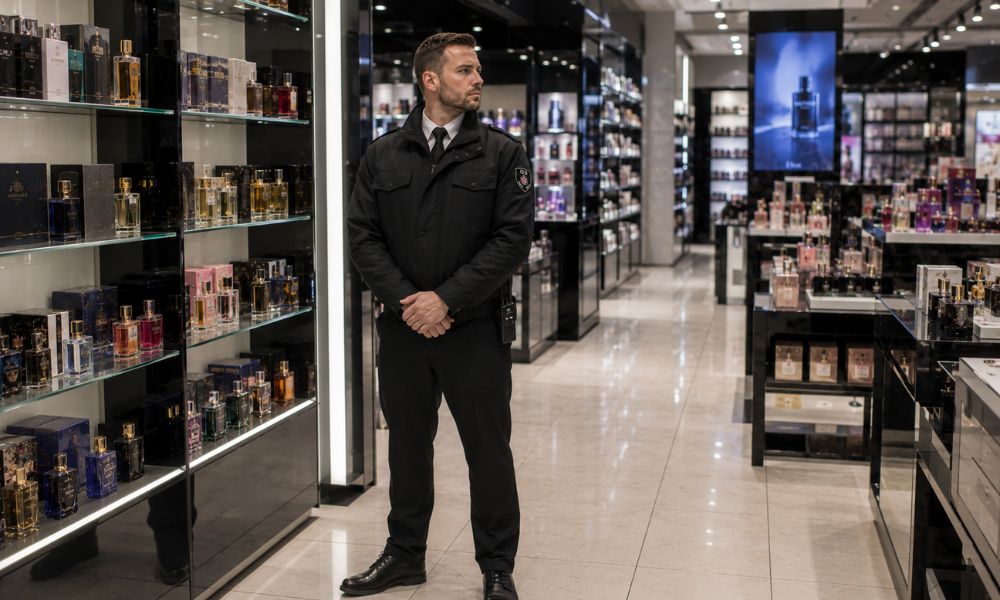
When people think about retail security, they often imagine someone standing near the entrance wearing a security uniform, watching customers, and stepping in when a problem occurs. While visibility is an important part of the role, professional retail security involves much more than simply being present on the shop floor.
Retail security officers are responsible for protecting customers, employees, stock, and business property while preventing theft, managing difficult situations, and responding appropriately to emergencies. Because of these responsibilities, retail security is a regulated profession that requires proper qualifications, training, and practical skills.
Hiring unqualified security staff can expose businesses to unnecessary risks, including legal issues, poor incident handling, and reduced customer confidence. Understanding the qualifications required for retail security helps businesses make better decisions when choosing security solutions.
Why Retail Security Qualifications Matter
Retail environments can be unpredictable. Security officers may need to deal with shoplifting attempts, aggressive behaviour, disputes between customers, safety concerns, or emergency situations. Handling these incidents requires knowledge, confidence, and the ability to make quick decisions.
Qualified retail security officers have the training needed to:
- Understand their legal responsibilities
- Handle conflicts professionally
- Protect customers and employees
- Respond correctly during emergencies
- Prevent incidents before they escalate
- Work within the limits of the law
A professional security officer is not simply there to react to problems. Their presence can also discourage criminal activity and create a safer shopping environment for everyone.
Understanding SIA Requirements
In the UK, retail security officers must hold a valid licence from the Security Industry Authority (SIA). This requirement applies to anyone working in a role that involves security duties, including protecting people, property, or preventing crime.
An SIA licence confirms that an individual has completed the required training and meets the legal standards needed to work in the private security industry.
The licensing process covers important areas such as:
- Understanding legal powers and responsibilities
- Conflict management techniques
- Effective communication skills
- Health and safety procedures
- Emergency response
- Safe physical intervention methods where required
Employing someone without the correct licence can create serious problems for a business. It may lead to legal consequences, reputational damage, and increased risks for customers and employees.
What Training Does a Retail Security Officer Need?
A retail security officer requires more than basic awareness. Their training prepares them to manage different situations while remaining professional and compliant with legal requirements.
Key areas of training include:
Legal Responsibilities
Security officers must understand what they can and cannot do while carrying out their duties. This includes knowing the correct procedures for dealing with suspected theft, removing individuals from premises, and working alongside law enforcement.
Conflict Management
Retail environments sometimes involve difficult conversations and aggressive behaviour. Officers learn techniques to calm situations, communicate clearly, and reduce the chance of confrontation.
Physical Intervention Skills
Physical intervention should always be a last resort. Qualified officers receive training on how to respond safely when a situation becomes unavoidable while protecting everyone involved.
Health and Safety Awareness
Security staff must understand workplace safety procedures, emergency exits, evacuation processes, and how to respond during incidents such as accidents or medical emergencies.
Why Personal Skills Matter
While qualifications provide the foundation, great retail security officers need personal qualities that cannot always be taught in a classroom.
Modern retail security is not about intimidating customers. The best officers combine security awareness with excellent customer service skills. They should be approachable, professional, and able to build trust with both shoppers and employees.
Important qualities include:
Strong Communication Skills
Security officers regularly interact with customers, staff members, and management teams. Clear and respectful communication helps prevent misunderstandings and resolve issues quickly.
Patience Under Pressure
Retail incidents can become stressful. A good officer remains calm, thinks clearly, and avoids unnecessary escalation.
Emotional Intelligence
Understanding people’s behaviour and recognising warning signs can help officers prevent problems before they develop into serious incidents.
Professional Attitude
A security officer represents the business they are protecting. Professional behaviour helps maintain a positive environment and improves customer confidence.
What Does a Retail Security Officer Actually Do?
The role of a retail security officer involves much more than standing at the entrance. Their daily responsibilities can vary depending on the type of store, location, and security requirements.
Typical duties include:
- Welcoming and assisting customers
- Monitoring CCTV systems
- Conducting regular patrols
- Identifying suspicious behaviour
- Preventing theft and shoplifting
- Protecting stock and business assets
- Managing access to restricted areas
- Responding to alarms and emergencies
- Supporting staff during difficult situations
- Contacting emergency services when required
Retail security officers often act as the first point of response when something goes wrong, making training and experience essential.
Key Responsibilities of Retail Security Officers
Retail security staff responsibilities includes
- Preventing Theft and Loss: Identify suspicious activity, deter theft, and reduce stock losses through patrols and monitoring.
- Providing Customer Support: Assist customers and create a safe, welcoming shopping environment.
- Monitoring Store Activity: Watch for risks, unusual behaviour, and safety concerns.
- Handling Difficult Situations: Manage conflicts and aggressive behaviour professionally.
- Supporting Emergency Responses: Assist during accidents, emergencies, and evacuations.
Why Businesses Should Hire Qualified Retail Security Staff
Qualified security officers provide retailers with more than protection against theft. Professional security creates a safer environment where customers and employees feel protected.
Benefits of hiring qualified retail security include:
- Reduced risk of theft and losses
- Improved customer confidence
- Faster response to incidents
- Better protection for employees
- Professional handling of conflicts
- Compliance with legal requirements
A trained security officer can also protect a company’s reputation by ensuring incidents are managed calmly and professionally.
Choosing the Right Retail Security Provider
Not all security services provide the same level of expertise, professionalism, and reliability. When choosing a retail security provider, businesses should look for a company that offers fully licensed SIA security officers, experienced retail security personnel, ongoing staff training, strong communication standards, and a clear understanding of the challenges faced in retail environments.
At G3 Security, we provide professional retail security solutions in London, helping businesses protect their customers, employees, and valuable assets. Our trained security officers work as an extension of your team, delivering a professional presence while creating a safe, welcoming, and secure environment for everyone.
The Bottom Line
Retail security is a skilled and regulated profession that requires proper qualifications, training, and the right personal qualities. A security uniform alone does not make someone capable of protecting a busy retail environment.
Qualified retail security officers provide much more than theft prevention. They help protect customers, support employees, manage risks, and maintain a safe shopping experience.
For retailers, qualifications should never be seen as an optional extra. They are the foundation of professional security services and an essential part of protecting your people, property, and reputation.