
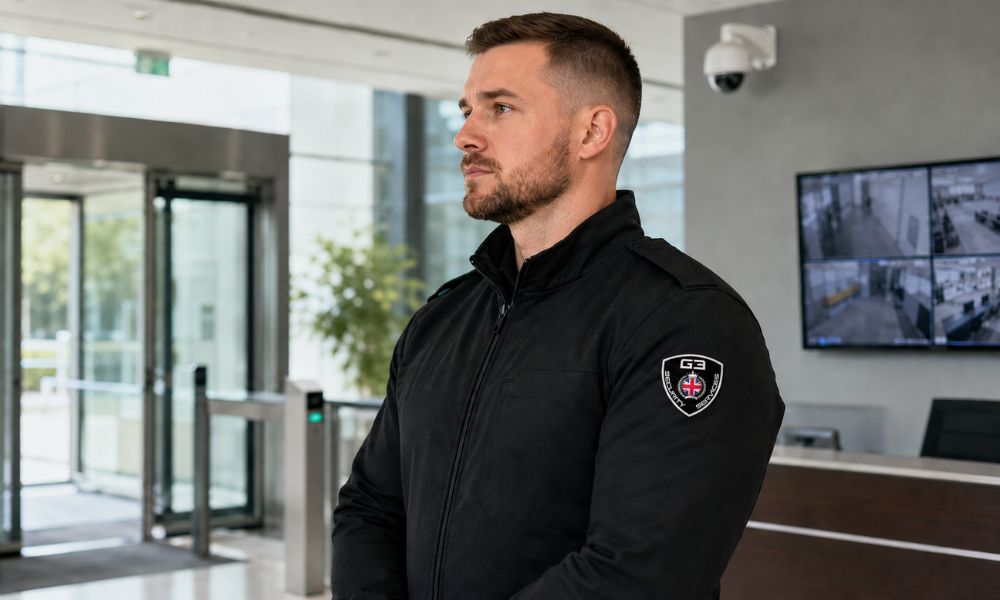
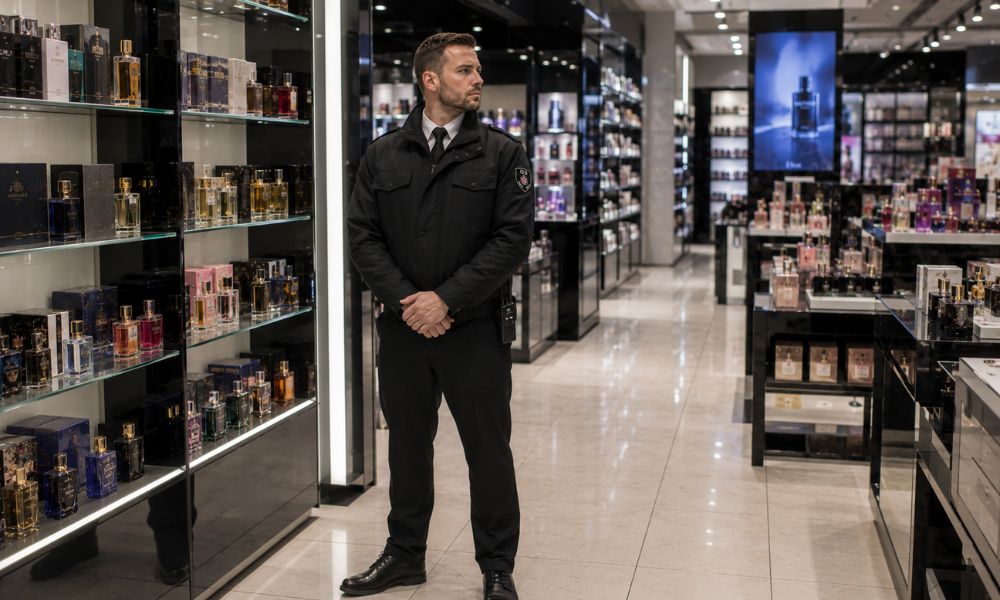
Security risks are becoming a growing concern for homeowners, businesses, property managers, construction sites, retail stores, and organisations of all sizes. From theft and vandalism to unauthorized access and workplace incidents, modern security threats can affect people, property, operations, and business reputation. As a professional security company, we understand that effective protection begins with understanding where risks come from. Security is no longer simply about locking doors at the end of the day or installing a few cameras. Changing technology, economic pressures, business growth, and evolving criminal methods have created a more complex security environment. Understanding the causes of rising security risks can help property owners and business leaders identify vulnerabilities early and choose appropriate security measures before a serious incident occurs. Why are Security Risks Increasing? There is rarely a single reason behind an increase in security incidents. Instead, several factors can combine to make a home, commercial property, or organisation more vulnerable. Some risks develop because criminals change their methods. Others arise because properties expand without updating their security systems. Poor access control, inadequate surveillance, limited staff awareness, and outdated security procedures can also create opportunities for theft, trespassing, vandalism, and other unwanted activity. The following are some of the most important factors contributing to rising security risks. 1. Changing Methods of Criminal Activity Criminal behavior continues to evolve. Individuals looking to steal property, enter restricted areas, or commit fraud may study security arrangements and search for weaknesses before taking action. Traditional security measures may therefore become less effective over time. A property that relied on basic locks or limited CCTV coverage several years ago may now require a more comprehensive approach. For example, poorly monitored entrances, blind spots in parking areas, unsecured delivery zones, and predictable opening or closing routines can create vulnerabilities. Regular security assessments can help identify these weaknesses before they are exploited. 2. Economic and Social Pressures Economic conditions can influence certain types of crime and security concerns. Financial hardship, unemployment, local instability, and other social pressures may contribute to increased incidents of theft, shoplifting, trespassing, or property crime in some areas. However, it is important not to assume that economic difficulty automatically causes criminal behavior. Security risks are influenced by many factors and vary significantly by location and property type. Businesses should therefore base their security decisions on actual risk assessments, incident history, local conditions, and the specific vulnerabilities of their premises. 3. Inadequate Access Control One of the most common security weaknesses is poor control over who can enter a property. Businesses often have employees, contractors, suppliers, customers, delivery drivers, and visitors coming and going throughout the day, making effective access management essential. Security risks can arise when doors are left unlocked, keys are lost or shared, visitors enter without registration, former employees retain access credentials, contractors enter restricted areas, emergency exits are misused, or employees allow unknown individuals through secure doors. Modern access control systems, visitor management procedures, identification checks, and trained security personnel can help businesses manage entry points more effectively, restrict unauthorised access, and maintain a safer and more secure environment. 4. Outdated Security Systems Technology changes quickly, but many properties continue to depend on security equipment installed years ago. Older CCTV cameras may produce low-quality footage. Alarm systems may not cover newly developed parts of a building. Access control databases may contain outdated permissions. Some security equipment may also suffer from poor maintenance. An outdated system does not necessarily mean a property is completely unprotected, but it can create gaps. Businesses should periodically review cameras, alarms, lighting, access systems, perimeter protection, and monitoring arrangements to ensure they remain appropriate for current risks. 5. Lack of Visible Security Visible security can play an important deterrent role. A property with no obvious security measures may appear easier to target than one with controlled entrances, surveillance cameras, adequate lighting, warning signage, and professional security personnel. Security guards can provide an especially visible presence. In addition to monitoring activity, trained guards can patrol vulnerable areas, manage entrances, identify suspicious behavior, assist visitors, enforce site procedures, and respond when incidents occur. The objective is not to create an intimidating environment. Effective security should provide reassurance while making it clear that the property is actively protected. 6. Growth of Businesses and Properties Business growth is positive, but expansion can introduce new security risks. A company may add employees, equipment, inventory, vehicles, storage areas, entrances, or additional buildings without making equivalent changes to its security arrangements. Consider a warehouse that expands its storage capacity but keeps the same number of cameras. New shelving or structures could create surveillance blind spots. Similarly, an office that hires more employees may need stronger visitor management and access control procedures. Security arrangements should evolve alongside the organization. Whenever a property undergoes significant changes, its security requirements should be reviewed. 7. Increased Movement of People and Goods Many commercial environments experience constant movement. Warehouses receive deliveries. Retail stores welcome customers. Construction sites use multiple contractors. Residential developments receive visitors and service providers. Offices may host clients, temporary workers, and vendors. The greater the movement of people and goods, the more difficult it can become to maintain effective oversight. Without clear procedures, unauthorized individuals may blend into legitimate activity. Security teams can help manage this risk through entrance monitoring, visitor logs, vehicle checks, delivery procedures, identification verification, and patrols. 8. Poor Security Awareness Among Employees Technology alone cannot solve every security problem. Employees are an important part of a company’s security environment. Even a sophisticated system can become less effective when staff members ignore procedures. For example, an employee might hold a secure door open for an unknown person, leave valuable equipment unattended, share access credentials, or fail to report suspicious activity. Regular security awareness training can help employees understand what is expected of them. Staff should know how to recognize potential security concerns, protect credentials, report incidents, follow visitor procedures, and respond appropriately during emergencies. Creating a security-conscious workplace can significantly reduce avoidable vulnerabilities. 9. Weak Perimeter Security Security
- Home
- About Us
- About G3
- Mission, Vision & Values
- Security Company in Birmingham
- Corporate Social Responsibility
- Environmental Policy
- Health & Safety Policy
- Quality Policy
- Equality & Diversity Policy
- Workplace Pension Policy
- Workplace Drug & Alcohol Policy
- Anti-Modern Slavery Statement
- Lone Worker Policy
- Gallery
- FAQ
- Privacy Policy
- Leave Us a Feedback
- Services
- Careers
- Blog
- Contact Us





 Get a Quote