
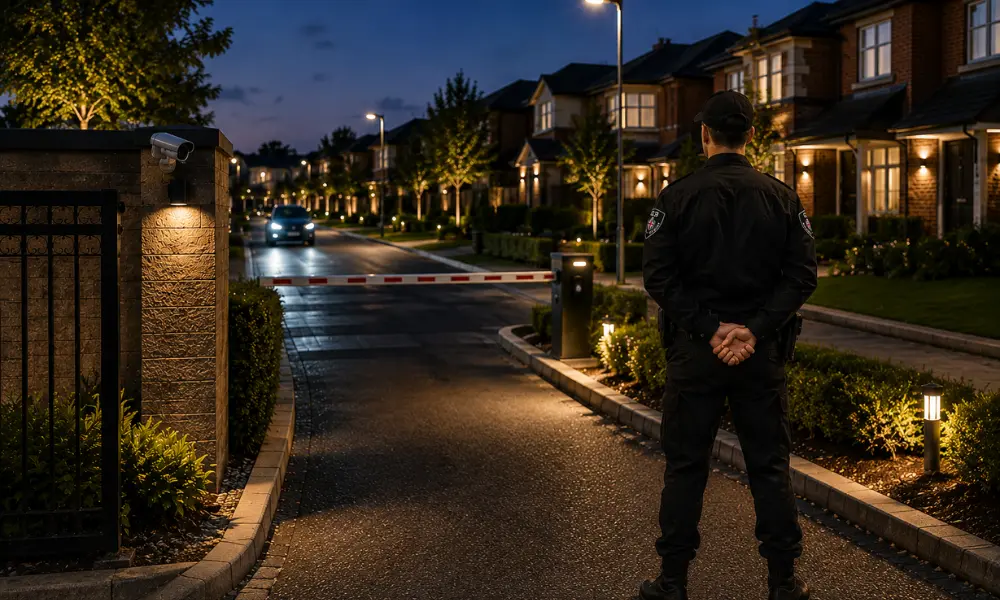
Residential communities, whether gated estates, apartment complexes, or suburban neighbourhoods, are increasingly attractive targets for criminal activity. As urban areas expand and living arrangements become more complex, the security challenges facing these communities have evolved significantly. Understanding these risks is the first step towards creating a safer living environment for residents.
Why Residential Security Matters More Than Ever
Residential communities are no longer simple collections of homes. Many now include shared amenities, communal spaces, multiple access points, and a diverse population of residents, visitors, contractors, and delivery personnel moving through the area daily. This complexity creates numerous vulnerabilities that criminals can exploit.
The consequences of inadequate security extend beyond financial loss. Residents’ sense of safety, property values, and overall quality of life are directly tied to how well a community manages its security risks. A single high-profile incident can damage a community’s reputation and lead to decreased occupancy rates in rental properties or falling property values in owned developments.
Common Security Risks in Residential Communities
1. Burglary and Property Theft
Burglary remains one of the most prevalent threats to residential communities. Criminals often target properties that show signs of poor security, such as unlocked doors, visible valuables, or a lack of surveillance. Communities with limited access control are particularly vulnerable, as unauthorised individuals can enter and exit without detection.
Seasonal patterns also play a role, with burglary rates often increasing during holiday periods when residents are away, and during darker winter months when reduced visibility provides additional cover for criminal activity.
2. Unauthorised Access and Trespassing
Many residential communities struggle with controlling who enters the premises. Without proper access control measures, such as keyholding systems, intercoms, or manned entry points, unauthorised individuals can gain entry with relative ease. This is particularly problematic in larger developments where multiple entry points exist, including pedestrian gates, vehicle barriers, and shared parking areas.
Trespassing incidents often precede more serious crimes, as individuals may be conducting reconnaissance for future burglaries or looking for vulnerable properties to target.
3. Vehicle-Related Crime
Car theft and vehicle break-ins are significant concerns in residential areas, particularly those with communal parking facilities or driveways not visible from the property itself. Catalytic converter theft has also risen sharply in recent years, with residential streets and car parks being common targets due to the relative ease of escape and lower likelihood of intervention.
4. Vandalism and Anti-Social Behaviour
Vandalism, graffiti, and anti-social behaviour can affect both the physical appearance and the perceived safety of a residential community. While these incidents may seem less severe than burglary, they contribute to a broader sense of insecurity and can signal to more serious criminals that an area lacks adequate oversight.
Communal areas such as bin stores, stairwells, car parks, and children’s play areas are particularly susceptible to this type of activity, especially when poorly lit or lacking surveillance.
5. Parcel and Delivery Theft
The rise in online shopping has introduced a new category of residential crime: parcel theft. Communities with communal entrances or shared delivery points are especially vulnerable, as packages left unattended can be easily taken by opportunistic thieves posing as delivery personnel or residents.
6. Fire and Safety Hazards
While not always classified as a traditional security risk, fire safety failures and inadequate emergency response planning can have devastating consequences in residential communities. Blocked fire exits, faulty alarm systems, and a lack of clear evacuation procedures put residents at serious risk, particularly in higher-density housing such as apartment blocks.
7. Vacant Property Vulnerabilities
Properties that sit empty, whether due to renovation work, seasonal absence, or being between tenancies, present a significant security gap. Vacant homes are more likely to be targeted for squatting, theft of fixtures and fittings, or use as a base for other criminal activities. Without regular inspections, issues can go unnoticed for extended periods.
8. Insider Threats and Social Engineering
Not all security risks come from external sources. Insider threats, whether from disgruntled staff, contractors with unsupervised access, or residents themselves, can pose serious risks. Social engineering tactics, where individuals impersonate maintenance workers, delivery drivers, or utility inspectors to gain access, are increasingly sophisticated and difficult to detect without proper verification procedures.
9. Cyber and Smart Home Vulnerabilities
As residential communities adopt smart technology, including keyless entry systems, video doorbells, and connected security cameras, new vulnerabilities have emerged. Poorly secured networks or outdated software can be exploited by cybercriminals, potentially compromising physical security systems and resident privacy.
Factors That Increase Residential Security Risks
Several underlying factors tend to compound the risks outlined above:
- Poor lighting: Dimly lit communal areas, car parks, and walkways provide cover for criminal activity and reduce the effectiveness of CCTV systems.
- Inadequate CCTV coverage: Blind spots in surveillance systems leave gaps that criminals can exploit.
- Lack of visible security presence: Communities without regular patrols or a visible security presence are statistically more likely to be targeted.
- Weak access control: Shared key codes, unmonitored entry points, and poorly maintained gates or barriers all contribute to vulnerability.
- Limited resident awareness: A lack of communication about security protocols can lead to residents inadvertently compromising safety, such as propping open communal doors.
How Residential Communities Can Address These Risks
Mitigating security risks requires a multi-layered approach that combines physical measures, technology, and human oversight.
- Access control systems should be a priority for any residential community. This includes secure keyholding arrangements, controlled entry points, and clear protocols for managing visitor and contractor access.
- Mobile patrol services provide a visible deterrent and allow for regular checks of vulnerable areas, including car parks, communal spaces, and vacant properties. Patrols can identify issues such as broken locks, inadequate lighting, or suspicious activity before they escalate into more serious incidents.
- CCTV and monitoring systems should be strategically placed to eliminate blind spots and provide comprehensive coverage of entry points, communal areas, and parking facilities. Regular maintenance ensures these systems remain functional and effective.
- Alarm response services ensure that triggered alarms receive a prompt and appropriate response, reducing the window of opportunity for criminals and providing reassurance to residents.
- Vacant property inspections are essential for developments with empty units, whether due to tenancy gaps or ongoing renovations. Regular checks help identify and address vulnerabilities before they are exploited.
- Threat and risk assessments conducted by security professionals can identify specific vulnerabilities within a community and inform a tailored security strategy, rather than relying on generic solutions that may not address the particular risks a community faces.
- Resident engagement and communication play a crucial role in maintaining security standards. Clear guidelines on visitor management, package handling, and reporting suspicious activity help create a collective sense of responsibility among residents.
The Value of Professional Security Support
While individual measures such as improved lighting or basic CCTV can help, residential communities benefit significantly from professional security expertise. Security providers bring the experience to conduct thorough risk assessments, implement appropriate technology, and provide trained personnel who can respond effectively to incidents.
At G3 Security, we specialise in delivering tailored security solutions for residential communities, from mobile patrols and keyholding to alarm response and vacant property inspections. Working with an established provider like ours means communities gain access to trained, vetted personnel and industry-standard protocols, rather than relying on fragmented, ad hoc arrangements.
A professional approach also ensures compliance with relevant safety regulations and industry standards, reducing liability for property managers and residents’ associations while providing genuine peace of mind for those living within the community.
Conclusion
Security risks in residential communities are varied and constantly evolving, ranging from traditional threats like burglary and vandalism to newer challenges posed by cybercrime and sophisticated social engineering tactics. Addressing these risks effectively requires a comprehensive strategy that combines physical security measures, professional oversight, and active resident participation.
By understanding the specific vulnerabilities present within a community and implementing appropriate measures, whether through access control, mobile patrols, CCTV monitoring, or professional risk assessments, residential communities can significantly reduce their exposure to security threats and create a safer environment for everyone who calls them home.