How Many Security Guards Are Required for Your Event?

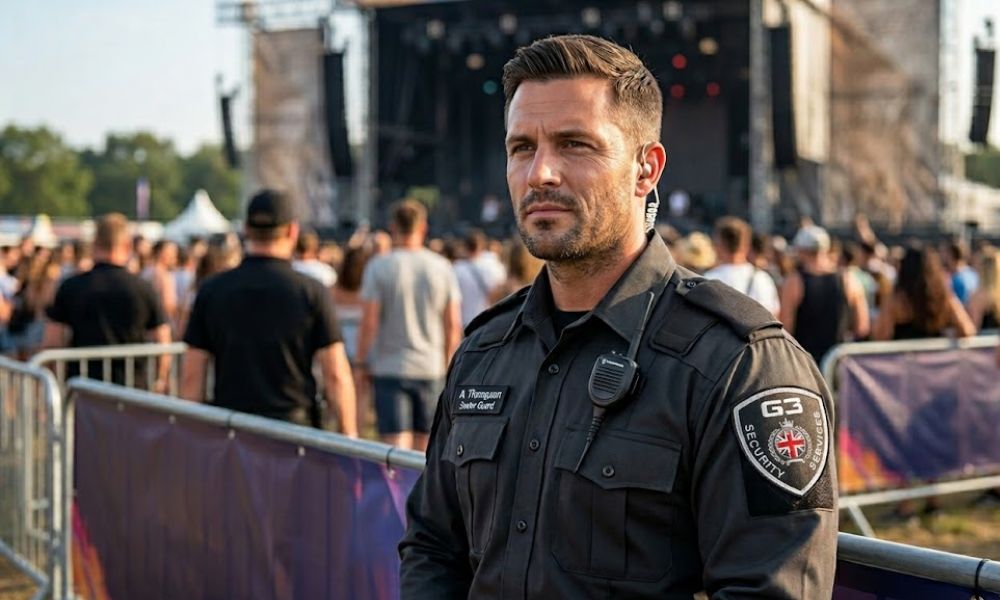
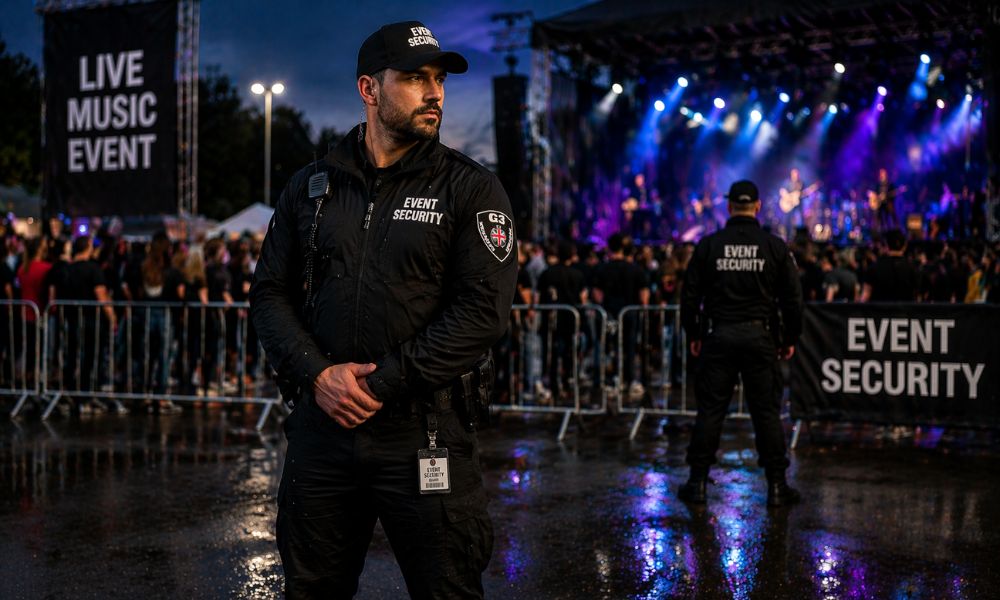
When planning an event, prioritising the safety and security of guests, staff, and the venue should always be a top priority. The right security setup plays a crucial role in preventing disruptions, accidents, and emergencies. But one common challenge event organisers face is determining how many security guards they need to maintain a safe environment throughout the event. The number of guards you need depends on several factors, including the type of event, venue layout, crowd size, and the overall risk level of the event. In this, we’ll explore the key factors that determine the number of security guards required for your event, the different responsibilities of security guards, and the importance of communication and coordination to ensure a smooth and safe event. Understanding Your Event Before deciding on the number of security guards you need, it’s essential to understand the nature of your event. Every event is unique, and different events require different levels of security. Type of Event The types of event plays a significant role in determining the security needs. For example, a small business conference will require fewer security guards than a large music festival. Here are some examples of event types and their general security needs: Corporate events: These events typically have lower security requirements. Basic security measures, such as monitoring entrances and making sure that guests are authorised to enter, might be enough. Concerts and festivals: High-profile events, especially those involving large crowds, alcohol, and possible high-profile guests, require more security personnel. Weddings and private events: These events often have smaller crowds, but they still require a solid security presence to manage guest access, handle emergencies, and prevent any potential disruption. Venue Layout The layout and size of the venue will also impact the number of security guards needed. For example, a large outdoor event like a festival will require more guards to cover various entry points, parking lots, and open areas. On the other hand, smaller venues or indoor events might need fewer guards but still require attention to entrances, exits, and crowd management. Hiring Security Guards Based on Event The size of the crowd is one of the most important factors when hiring the number of security guards for an event. Larger crowds often mean more potential risks, such as crowd control issues or emergencies. Generally, as the crowd size increases, so does the number of security guards needed to ensure safety. Small events (under 100 people): Typically, one or two security personnel should be sufficient to manage access control and provide monitoring. Medium-sized events (100-500 people): A minimum of 4-8 guards are necessary to handle guest check-ins, access control, and crowd management. Large events (500+ people): For large-scale events, you might need 10-20 or more security guards, depending on the venue and the type of event. Choosing Security Guards Based on Event Risk Low-Risk Events For low-risk events, such as private meetings, conferences, or small weddings, fewer security guards are required. These events typically have short risks, and the main focus for security is to monitor the entrance, handle guest access, and verify that no unauthorised individuals enter the venue. Recommended Guard Ratio: 1 guard for every 100-150 guests. A team of 1-3 security personnel should be enough for smaller events. Medium-Risk Events Medium-risk events, like parties, corporate dinners, or mid-sized conventions, generally require more security. These events have a higher chance of guest conflicts, crowd control issues, or other disruptions. The event security team should focus on managing crowd flow, Making sure no one enters restricted areas, and responding to any disturbances. Recommended Guard Ratio: 1 guard for every 50-75 guests. For a guest list of 300, you might need 4-6 security personnel. High-Risk Events High-risk events, such as music festivals, large sporting events, or political rallies, require security presence. These events often involve large crowds, possible external threats, alcohol, or heightened emotions, so having a well-staffed security team is essential. Security guards will need to manage multiple entry points, monitor large crowds, respond to emergencies, and protect high-profile guests. Recommended Guard Ratio: 1 guard for every 25-50 guests. For an event with over 2,000 attendees, you might need 40+ security personnel, depending on the venue size and event risks. Responsibilities of a Security Guard Security guards at events have a range of responsibilities designed to maintain order, prevent disturbances, and respond to emergencies. Some key responsibilities include: Monitoring Access Points Guards control entry and exit points, verify that only authorised person or guests enter the venue. They verify guest lists, check identification, and manage guest flow. Crowd Control For larger events, security guards help manage the crowd to avoid bottlenecks, stampedes, or aggressive behaviour. They assist in maintaining order and making sure guests remain safe while enjoying the event. Emergency Response In case of an emergency, such as a fire, medical emergency, or violent incident, security guards are the first responders. They help evacuate guests, coordinate with emergency services, and provide initial aid if necessary. Surveillance and Monitoring Guards keep an eye on the premises using CCTV, performing regular patrols to detect suspicious behaviour and prevent incidents before they escalate. Importance of Communication and Coordination Effective communication and coordination between security guards, event organisers, and local authorities are very important for event safety. When security teams can communicate clearly and quickly with each other,they can respond quickly to incidents and avoid confusion during critical moments. Internal Communication Security guards must maintain constant communication with one another, especially in larger venues. Two-way radios, walkie-talkies, or digital communication systems make sure that they can share information in real-time, allowing for a coordinated response to any security threats. Coordination with Event Organisers Security staff should be in regular contact with event organisers to stay updated on the event schedule, guest arrivals, and any potential issues that might arise.This verifies that the security plan is coordinated with the event’s organisers. Collaboration with Local Authorities For high-risk events, working with local law enforcement or emergency services is important. Having a plan to communicate

The Ultimate Event Security Checklist to Secure Your Event

Organising an event, whether it is a corporate function, music festival, wedding, or community gathering, involves more than just logistics and entertainment. Safety must be a core part of the planning process. Without a clear approach to security, even a well-organised event can face disruption, reputational damage, or serious incidents. An event security checklist provides a structured way to think through potential risks and plan how to deal with them. It allows organisers to prepare for different scenarios, assign responsibilities, and maintain control throughout the event lifecycle. Why You Need an Event Security Checklist Every event carries some level of risk. These risks may relate to crowd behaviour, environmental conditions, access control, or external threats. Without a checklist, it is easy to overlook critical areas that require attention. A well-prepared checklist supports better organisation and reduces risks. It allows event planners to break down security into manageable steps and address each one in advance. Here are some key reasons why an event security checklist is essential: Clarity and Structure Planning security can feel challenging, especially for large events. A checklist provides a clear framework, helping you stay focused and organised. Risk Awareness It encourages you to think ahead about what could go wrong and how those situations might be handled. Improved Communication When everyone works from the same checklist, it becomes easier to share information and coordinate actions among staff, volunteers, and contractors. Legal and Safety Compliance Many events must meet local safety regulations. A checklist helps you cover key requirements and avoid potential penalties. Event Security Checklist An event security checklist acts as a step-by-step guide to help you plan and manage safety across every stage of your event. It brings together all key areas, from identifying risks to managing crowds and handling emergencies, so nothing important is missed. By following a structured checklist, organisers can break down complex tasks into clear actions, making it easier to coordinate teams, monitor activities, and respond to issues on the day.  Conduct a Risk Assessment The first step in any event security plan is a thorough risk assessment. This involves identifying potential hazards and assessing how likely they are to occur and what impact they could have. Start by reviewing the type of event you are hosting. A small indoor seminar will have very different risks compared to a large outdoor concert. Consider the following factors: Location: Is the venue indoors or outdoors? Are there nearby hazards such as roads, rivers, or construction sites? Crowd Size: Larger crowds can increase the chances of overcrowding, pushing, or delays in evacuation. Audience Profile: Different groups behave in different ways. A family event will have different considerations compared to a late-night music event. Weather Conditions: Outdoor events are particularly affected by weather, including rain, heat, or strong winds. Historical Data: Review past events at the same venue or similar events to identify common issues. After identifying the risks, prioritise them according to how likely they are to happen and the level of impact they may have. This will help you decide which areas require more attention.. Create an Emergency Response Plan An emergency response plan outlines how your team will respond to unexpected situations. Without a clear plan, confusion can arise during critical moments. Your emergency response plan should include: Evacuation Procedures: Identify all exits and ensure they are clearly marked and accessible. Plan routes that allow people to leave the venue quickly and safely. Assembly Points: Designate safe areas where attendees can gather after evacuation. These points should be away from potential hazards. Roles and Responsibilities: Assign specific tasks to team members. For example, some staff may guide attendees to exits, while others communicate with emergency services. Communication Systems: Decide how information will be shared during an emergency. This could include radios, public address systems, or mobile communication. Emergency Contacts: Keep a list of important contacts, including police, fire services, medical teams, and venue management. Training is just as important as planning. All staff should be briefed on emergency procedures before the event begins. Secure the Perimeter Perimeter security defines the boundaries of your event and controls who can enter or exit. Without clear boundaries, it becomes difficult to manage crowds or prevent unauthorised access. Steps to secure the perimeter include: Fencing & Barriers: Use physical structures such as fencing and barriers, along with natural boundaries, to clearly define the event area and limit unauthorised access. Controlled Entry and Exit Points: Set up designated entry and exit points to manage the flow of attendees and maintain better control over access. Security Staff at Access Points: Position trained event security guard at all entrances and exits to monitor activity and respond to any issues. Clear Signage for Attendees: Install visible signage to guide attendees around the venue, including directions for entry, exits, and key areas. A well-defined perimeter also helps with crowd flow, making it easier for attendees to move around the space. Manage Crowd Control Crowd management is one of the most important aspects of event security. Poor crowd control can lead to overcrowding, confusion, and even injuries. To manage crowds effectively: Understand Capacity Limits:  Know the maximum number of people your venue can safely hold. Do not exceed this limit. Design Clear Layouts: Create walkways and zones that guide movement. Avoid bottlenecks and narrow pathways. Use Barriers Where Needed: Barriers can help direct crowds and prevent access to restricted areas. Monitor Crowd Behaviour: Keep an eye on how people are moving and reacting. Look for signs of overcrowding or distress. Position Staff Strategically: Place trained personnel in high-traffic areas to guide attendees and respond to issues quickly. Proper crowd management helps maintain order and reduces the risk of incidents. Surveillance and Monitoring Systems Monitoring your event in real time allows you to identify and respond to issues as they arise. Surveillance systems provide visibility across different areas of the venue. Common monitoring tools include: CTV Coverage: Install CCTV cameras to monitor entrances, exits, and high-traffic areas across the venue. On-Site Monitoring Teams:

What is The Role Of Security in An Event?

Introduction When attending an event, whether it’s a music concert, sports game, or festival, we expect to have a memorable experience filled with joy, excitement, and entertainment. However, behind the scenes, a crucial element works tirelessly to ensure our safety and well-being throughout the event. That element is security. In this article, we will explore the vital role of security in events and the measures taken to ensure a secure environment for attendees. Importance of Security in Events The primary purpose of event security is to guarantee the safety and well-being of everyone present. Events gather a large number of people in a confined space, making it essential to have measures in place to handle potential risks and emergencies effectively. Let’s delve into the key aspects highlighting the importance of security in events. Ensuring Safety and Well-Being: The foremost responsibility of event security is to create a safe environment for attendees. Security personnel are trained to identify potential threats, respond swiftly to emergencies, and provide assistance when needed. By implementing comprehensive security protocols, they can prevent incidents such as fights, stampedes, or any form of violence that may jeopardise the safety of the attendees. Managing Crowd Control: Events often attract large crowds, and effective crowd control is crucial to maintain order and prevent chaos. Security personnel are trained in crowd management techniques to ensure a smooth flow of people, reduce congestion, and prevent overcrowding in sensitive areas. By managing crowd control efficiently, they can minimise the risks associated with large gatherings and maintain a comfortable environment for everyone. Preventing Unauthorised Access: One of the critical roles of event security is to prevent unauthorised access to restricted areas or the event premises. By enforcing access control measures, security personnel can ensure that only authorised individuals, such as staff, performers, and accredited personnel, are granted entry to specific areas. This helps maintain the integrity of the event and safeguards the privacy and safety of attendees. Hiring Professional Security Services: To effectively address security concerns, event organisers often rely on professional security services. These security firms specialise in providing trained personnel and expertise to handle various security challenges that may arise during an event. Qualifications and Training: Security personnel hired for events undergo rigorous training programs to equip them with the necessary skills and knowledge. They are trained in crowd management, conflict resolution, first aid, emergency response, and other essential areas. By ensuring that security personnel are well-qualified and trained, event organisers can maintain a high standard of security. Assessing Risks and Implementing Safety Measures: Professional security services conduct thorough risk assessments prior to the event. They identify potential security threats, vulnerabilities, and risks associated with the venue, the type of event, and the expected crowd. Based on these assessments, they develop and implement appropriate safety measures, such as the placement of security checkpoints, emergency exits, and evacuation plans. Crowd Management Strategies: A key responsibility of event security is managing crowds effectively. This includes directing foot traffic, regulating entry and exit points, and monitoring audience behaviour. Trained security personnel strategically position themselves to observe the crowd, identify potential risks or disturbances, and take preventive measures to maintain order and ensure the safety of attendees. Collaboration with Local Authorities: To enhance event security, collaboration with local authorities, such as law enforcement agencies, is vital. Close coordination with the police or other relevant agencies allows for a comprehensive approach to security planning and execution. Coordination with Law Enforcement Agencies: Event security teams work closely with law enforcement agencies to ensure a seamless flow of information and resources. They provide necessary details about the event, share intelligence on potential security threats, and collaborate on emergency response planning. This collaboration helps create a unified security effort and enhances the overall effectiveness of security measures. Emergency Response Planning: In collaboration with local authorities, event security personnel develop comprehensive emergency response plans. These plans outline procedures to be followed in the event of emergencies such as fires, medical incidents, or natural disasters. By having well-defined emergency response plans in place, security teams can effectively handle crises and mitigate risks to attendees. Advanced Security Technologies: In addition to trained personnel, the use of advanced security technologies has become increasingly prevalent in event security. Surveillance Systems and CCTV: Closed-circuit television (CCTV) systems are commonly used to monitor key areas of the event venue. Surveillance cameras help security personnel detect suspicious activities, respond quickly to incidents, and provide valuable evidence for investigations if needed. Access Control Systems: Access control systems, such as ID verification, electronic ticketing, or wristbands, help regulate entry to the event and prevent unauthorised access. These systems enable security personnel to verify the identity and credentials of individuals seeking entry, enhancing the overall security of the event. Metal Detectors and Baggage Screening: To ensure the safety of attendees, event organisers may implement metal detectors and baggage screening procedures. These security measures help detect prohibited items, such as weapons or dangerous objects, and prevent them from being brought into the event venue. Event Security Personnel Roles and Responsibilities Event security involves a diverse range of roles and responsibilities, each contributing to the overall safety and success of the event. Event Security Manager: The event security manager oversees the entire security operation. They are responsible for developing security plans, coordinating with stakeholders, managing security teams, and ensuring the smooth execution of security protocols. Security Guards: Security guards are the frontline personnel responsible for maintaining security and order during the event. They patrol the premises, monitor crowd behaviour, and respond to any security incidents that may arise. First Aid and Emergency Response Team: A dedicated first aid and emergency response team is an essential component of event security. Trained medical professionals are available to provide immediate medical assistance to attendees in case of injuries or medical emergencies. Conclusion Event security plays a vital role in ensuring the safety, well-being, and enjoyment of attendees. Through the use of trained personnel, advanced technologies, and effective communication, security teams create secure environments that allow

What Does an Event Security Guard Do?

In the realm of event management, ensuring the safety and security of attendees, performers, and assets is paramount. Whether it’s a bustling concert, a high-profile corporate gathering, or a local community festival, event organizers recognize the critical role of event security guards in maintaining order and safeguarding against potential risks. In addition to their crucial role in maintaining order and safety, event security guards also serve as ambassadors of professionalism and reassurance for attendees. Their presence not only deters potential threats but also instills confidence among event participants, fostering a sense of trust and comfort. With their extensive training and expertise, event security guards stand ready to address any security challenges swiftly and effectively, allowing event organizers to focus on delivering memorable experiences for their guests. In this blog post, we delve into the multifaceted responsibilities of event security guards and shed light on their indispensable contributions to creating safe and enjoyable environments for all. Understanding Event Security Event security entails a comprehensive approach to risk management and protection. Event security guards are trained professionals who specialize in maintaining order, enforcing regulations, and responding effectively to any security concerns that may arise during an event. Their primary objective is to ensure the safety and well-being of everyone involved, while also safeguarding the venue and its assets. Furthermore, event security guards undergo continuous training and certification to stay updated on the latest security protocols and techniques. They collaborate closely with event organizers, local authorities, and emergency responders to develop comprehensive security plans tailored to each event’s unique requirements. By proactively identifying potential risks and vulnerabilities, security guards play a proactive role in preventing security breaches and mitigating potential threats before they escalate. Key Responsibilities of Event Security Guards 1. Crowd Control One of the primary responsibilities of event security guards is managing crowds effectively. They are adept at regulating the flow of foot traffic, preventing overcrowding in designated areas, and mitigating any potential conflicts that may arise among attendees. Event security guards employ strategies such as signage, barriers, and communication systems to facilitate smooth crowd movement and navigation within the venue. They remain vigilant to identify early signs of tension or congestion, proactively intervening to maintain a safe and orderly environment. By maintaining a visible presence and implementing crowd control measures, security guards contribute to the overall positive experience of event attendees while minimizing the risk of accidents or incidents. 2. Access Control Event security guards play a crucial role in controlling access to restricted areas within the venue. They verify credentials, enforce entry regulations, and monitor entrances and exits to prevent unauthorized individuals from gaining entry. Event security guards utilize advanced access control systems and technologies to enhance the effectiveness of their monitoring efforts. Additionally, security guards maintain meticulous records of individuals entering and exiting the venue, facilitating swift identification and resolution of any security breaches or incidents. By maintaining strict access control measures, they uphold the integrity of the event space and minimize the risk of unauthorized activities. 3. Patrol and Surveillance Event security guards conduct regular patrols throughout the venue to identify any security vulnerabilities or suspicious activities. Through vigilant surveillance and observation, they maintain a proactive stance in deterring potential threats. Furthermore, event security guards leverage advanced surveillance technology to enhance their patrol efforts. These tools enable them to monitor large areas of the venue simultaneously and detect any unusual behavior or unauthorized access in real-time. In addition to physical patrols, security guards coordinate with remote monitoring teams to ensure comprehensive coverage and response capabilities. By combining physical presence with technological surveillance, they create a robust security infrastructure that serves as a deterrent to potential threats and enhances overall safety for event attendees. 4. Emergency Response In the event of an emergency situation such as a medical incident, fire, or security breach, event security guards are trained to respond swiftly and decisively. They coordinate with emergency services, implement evacuation procedures, and provide assistance to ensure the safety of attendees. Event security guards undergo specialized training in first aid, CPR, and emergency response protocols to effectively address medical emergencies onsite. They are equipped with essential medical supplies and equipment to provide immediate assistance. Additionally, security guards collaborate closely with venue staff and emergency responders to execute evacuation plans efficiently and evacuate attendees to designated safe zones. By remaining calm and organized in high-pressure situations, they play a critical role in minimizing potential injuries and ensuring a swift and coordinated response to emergencies. 5. Asset Protection Event security guards are tasked with protecting valuable assets such as equipment, merchandise, and infrastructure. They implement security measures to prevent theft, vandalism, or damage to property, thereby safeguarding the interests of event organizers and stakeholders. Additionally, event security guards conduct thorough pre-event inspections to identify any potential security vulnerabilities or weaknesses in asset protection measures. They collaborate closely with event organizers to develop customized security plans tailored to the specific needs and layout of the venue. Moreover, security guards maintain a visible presence throughout the event, deterring potential thieves or vandals and providing a sense of reassurance to attendees and exhibitors alike. Through their proactive approach to asset protection, security guards help to uphold the integrity of the event and preserve the investments of all stakeholders involved. Benefits of Hiring Professional Event Security 1. Peace of Mind By enlisting the services of a reputable event security company, organizers can have peace of mind knowing that trained professionals are overseeing the safety and security of their event. Additionally, these companies employ stringent vetting processes and background checks to ensure that their security personnel are highly qualified and trustworthy individuals. By entrusting their event security needs to experienced professionals, organizers can focus their energy and resources on delivering a seamless and unforgettable experience for attendees. 2. Enhanced Safety Professional event security guards possess the expertise and resources to effectively mitigate security risks and respond to emergencies, thereby enhancing the overall safety of the event environment. Professional event security guards undergo regular training to

Hiring The Right Company to Provide Security for a Special Event

Hosting a special event can be a thrilling experience, and when hosting an event, it is your foremost duty to ensure the well-being of our guests. Ensuring the safety and security of your guests and the event itself is paramount. The planning and executing a special event, whether a grand gala, a high-profile corporate gathering, a music festival, or any other occasion, demands meticulous attention to detail. While event organisers focus on creating memorable experiences for their attendees, they must also prioritise the safety and security of everyone involved. This is where the critical decision of hiring the right security company comes into play.  Ensuring the safety and well-being of event guests, staff, and assets is paramount, and choosing the right security company to provide protection is an essential part of the event-planning process. The success of your special event hinges not only on its entertainment value but also on how effectively potential security threats are mitigated. Our G3 company helps you to have a planned and organised event with a peace of mind. Why Event Security is Critical?  Event security is a critical element in the planning and execution of any special event. It serves as a safeguard against potential threats, ensures safety, and ultimately contributes to the success and positive reputation of the event. By prioritising event security, organisers can create an environment where attendees can enjoy themselves without undue concern for their safety. Here are some key reasons why event security is crucial:  Attendee Safety: Safety And Well-Being Of Your Guests  The primary and most crucial reason for event security is the safety of event attendees. Large gatherings can be targets for various security threats, including criminal activities, terrorism, medical emergencies, and crowd-related incidents. A well-prepared security team can help prevent, respond to, and manage these situations to protect attendees from harm.  Ensuring attendee safety is a paramount responsibility of the event security team. It is essential to verify the identity and credentials of all individuals entering the event, using ticket checks, ID verifications, and bag inspections as necessary. Crowd Control: Prevent Overcrowding To Provide Secure Environment To Your Guests Events often draw diverse and sometimes massive crowds. Proper security measures help maintain order, prevent overcrowding, and manage crowd movements. Effective crowd control ensures attendees enjoy the event in a safe and organised environment.  Crowd control at an event is a critical aspect of ensuring the safety and comfort of attendees. Our G3 company conducts a thorough risk assessment to understand potential crowd-related issues specific to your event. It is necessary to develop a comprehensive crowd management plan that addresses crowd flow, entry and exit points, and potential bottlenecks. Asset Protection: Protect Your Place From Theft, Vandalism, and Damage  Special events often involve valuable assets, equipment, and infrastructure that need protection. Security personnel can safeguard these assets from theft, vandalism, or damage, which can impact the event’s success and financial viability. The event security team plays a significant role in ensuring the security and protection of these assets. The security company creates a comprehensive inventory of all assets that will be used, including equipment, technology, merchandise, and any other valuable items before an event. Reputation Management: Your Image Enhancement  The success of an event can significantly affect an organisation’s or individual’s reputation. A security incident can tarnish that reputation, causing long-term damage. A professional security team can help protect your image by reducing the likelihood of security breaches and providing a rapid response when issues arise.  Security personnel should be trained in conflict resolution and de-escalation techniques to handle difficult situations peacefully, minimising the risk of negative incidents that could damage the event’s reputation. Emergency Response: Minimising Damage  From medical emergencies to natural disasters, events can face various unexpected crises. Security personnel are trained to respond to emergencies quickly and efficiently, potentially saving lives and minimising damage.  The event security team should respond quickly and effectively to any incidents, ensuring that attendees feel safe and supported. Peace of Mind: Safety Confidence  Knowing that a competent security team is in place can provide peace of mind for event organisers and attendees. This confidence allows everyone to focus on enjoying the event contributing to its success.  The event security team plays a critical role in ensuring that attendees, event organisers, and stakeholders can focus on enjoying the event without worrying about their safety and security. Peace of mind is a valuable outcome of effective security measures and professional security personnel. Tips For Hiring An Event Security Team When planning a special event, the safety and security of all participants should be a top priority. Ensuring your event runs smoothly without incident requires careful consideration when hiring an event security team. From preventing potential threats to managing unforeseen challenges, a skilled and professional security team is the cornerstone of a successful event. Here are some considerations while hiring a company for the security of your event:  Do Your Research On Event Security Company: Before making any decisions, it’s crucial to invest time and effort in researching potential event security companies. Begin by assessing the expertise and experience of each security company under consideration. Look for the security company with a proven track record in providing security services for events similar in scale and nature to yours. They should have experience in managing the specific challenges that your event might present.  Select A Company With The Proper Experience: Research the reputation of each security company. Look for online reviews, client testimonials, and references. Word of mouth and feedback from others who have worked with them can provide valuable insights into their reliability, professionalism, and the quality of their services.  Ensure the security company holds all licences and certifications required by local and state regulations. A licensed security firm is more likely to meet the legal and ethical standards essential to provide adequate security services. Work With A Team Who Understands The Venue: One of the critical factors in ensuring adequate event security is selecting a security team that thoroughly understands

Everything You Need to Know About Event Security

In an age where safety and security are paramount concerns for any event organizer, ensuring that your event is well-protected should be a top priority. Whether you’re hosting a corporate conference, a music festival, or a private gathering, the importance of effective event security cannot be overstated. At G3 Security Services, we understand the critical role that security plays in the success of any event. In an increasingly uncertain world, where unforeseen challenges can arise at any moment, the need for robust event security measures has never been more pressing. At G3 Security Services, we pride ourselves on our commitment to staying ahead of emerging threats and evolving security risks. Our team of highly trained professionals is dedicated to providing proactive and vigilant security solutions that instill confidence and peace of mind in event organizers and attendees alike. In this comprehensive guide, we’ll delve into everything you need to know about event security to help you plan and execute a safe and secure event. 1. Understanding the Importance of Event Security Events can attract large crowds, making them potential targets for various security threats such as theft, and vandalism. Effective event security not only protects attendees and assets but also safeguards the reputation and integrity of the event organizer. By investing in professional security services, event organizers demonstrate their commitment to safety, which can enhance attendee experience and satisfaction. Implementing robust event security measures not only mitigates potential risks but also fosters a sense of trust and confidence among event participants. A safe and secure environment allows attendees to fully immerse themselves in the experience without worry, ultimately contributing to the overall success of the event. Furthermore, proactive security measures can help deter potential threats before they escalate, ensuring smooth operations and minimizing disruptions. 2. Assessing Security Risks Before planning any event, it’s essential to conduct a thorough risk assessment to identify potential security vulnerabilities. Factors such as the type of event, its location, expected attendance, and past incidents should be taken into account when assessing security risks. Collaborating with a reputable security provider like G3 Security Services can help you identify and mitigate potential threats effectively. Understanding the demographics of attendees and any specific concerns related to the event’s theme or purpose is crucial in conducting a comprehensive risk assessment. By analyzing past incidents and gathering intelligence on current security trends, event organizers can proactively address potential vulnerabilities. Moreover, involving security experts from the early stages of event planning allows for tailored security solutions that align with the unique needs and dynamics of the event. 3. Tailoring Security Solutions Every event is unique, and security requirements may vary accordingly. A one-size-fits-all approach to event security is rarely effective. G3 Security Services offers customizable security solutions tailored to the specific needs and challenges of each event. From access control and crowd management to VIP protection and emergency response, our team is equipped to handle diverse security scenarios with professionalism and efficiency. Furthermore, our team conducts thorough site assessments to identify potential vulnerabilities and develop a tailored security plan that addresses specific concerns. By leveraging our extensive experience and expertise in event security, we ensure that every aspect of security is carefully considered and optimized. Whether it’s a high-profile corporate event or a community festival, G3 Security Services remains committed to providing comprehensive security solutions that prioritize safety without compromising the attendee experience. 4. Implementing Security Measures Once security risks have been identified and security solutions tailored, it’s time to implement comprehensive security measures. This may include deploying trained security personnel strategically throughout the venue, implementing bag checks or metal detectors, and establishing communication protocols. G3 Security Services works closely with event organizers to ensure that security measures are implemented seamlessly, without causing inconvenience to attendees. Moreover, our security personnel undergo rigorous training to ensure they are proficient in handling various security scenarios with professionalism and discretion. We also employ advanced technologies and innovative solutions to enhance surveillance and threat detection capabilities, providing an additional layer of security. Additionally, our proactive approach includes continuous monitoring and assessment during the event to adapt security measures as needed and address any emerging threats swiftly and effectively. 5. Leveraging Technology  In today’s digital age, technology plays a crucial role in enhancing event security. These technologies not only improve threat detection and response capabilities but also provide valuable data insights for future security planning. Our integration of technology allows for seamless coordination and communication among security personnel, enabling rapid response to any security incidents. With real-time monitoring capabilities, we can detect and address potential threats before they escalate, ensuring the safety and well-being of event attendees. Additionally, our investment in innovative security solutions reflects our commitment to staying ahead of emerging threats and continuously enhancing our capabilities to meet the evolving needs of our clients. 6. Training and Preparedness The effectiveness of event security depends heavily on the training and preparedness of security personnel. G3 Security Services invests in rigorous training programs to ensure that our security team is well-equipped to handle any security scenario professionally and confidently. From de-escalation techniques to emergency first aid, our security personnel undergo comprehensive training to mitigate risks and protect both people and property. Moreover, our training programs are regularly updated to incorporate the latest security protocols and best practices, ensuring that our team remains at the forefront of the industry. We emphasize a proactive approach to security, equipping our personnel with the skills and knowledge to identify potential threats and take appropriate preventive measures. Additionally, our commitment to ongoing professional development ensures that our security team is adaptable and capable of effectively responding to new and emerging security challenges. 7. Communication and Coordination Effective communication and coordination are essential elements of successful event security operations. G3 Security Services works closely with event organizers, local law enforcement, and other stakeholders to establish clear lines of communication and coordinate response efforts. By fostering collaboration and information sharing, we enhance situational awareness and response capabilities, thereby ensuring a swift and

Improve Your Event With Reliable Security Services

Introduction Planning a successful event requires meticulous attention to detail. From booking the venue to arranging entertainment, every aspect contributes to a memorable experience for your guests. But amidst the excitement, one crucial element often takes a backseat. G3 Security Services understands that ensuring the safety and security of your event is paramount. Whether it’s a small gathering or a large-scale festival, reliable security services are an investment that pays off in countless ways. This blog post dives into the benefits of professional event security, explores potential risks, and offers valuable tips to elevate your event with G3’s expertise. Why Event Security Matters Safety First: Your top priority should always be the well-being of your attendees, staff, and property. Professional security guards are trained to handle a variety of situations, from crowd control and access management to emergency response. Their presence deters crime and disorderly conduct, fostering a safe and secure environment for everyone involved. This includes being aware of their surroundings, identifying potential threats, and taking swift action to mitigate them. Security guards are also trained in de-escalation techniques, which can help to prevent conflicts from arising in the first place. Additionally, they are familiar with fire safety protocols and can assist with evacuation procedures in the event of an emergency. By having a team of security guards on-site, you can give yourself peace of mind knowing that your event is in capable hands. Peace of Mind:  As the event organiser, you shoulder a significant responsibility for the safety and security of everyone involved in your event. This can be a heavy burden to carry, especially when juggling the numerous logistical details that go into planning a successful event. Reliable security services from G3 alleviate that burden by providing a team of experienced professionals who can manage security protocols effectively. This allows you to focus on other critical aspects of the event, such as ensuring a smooth operation, delivering a positive experience for your attendees, and meeting your event goals. You can be confident that G3’s security personnel are well-equipped to handle any security concerns that may arise, freeing you to concentrate on the other elements that make your event a success. Risk Mitigation:  Events inherently carry some level of risk. These risks can stem from a variety of factors, such as the size and type of event, the venue location, and the attendee demographics. Professional security companies like G3 Security Services conduct thorough risk assessments that go beyond simply identifying potential security threats. We take a comprehensive approach, considering all aspects of the event that could lead to safety issues or disruptions. This includes evaluating the venue’s layout and security features, assessing the potential for overcrowding or congestion, and identifying any external factors that could pose a risk. By proactively identifying these potential risks, we can develop a customised security plan that addresses them head-on. This plan may include deploying security guards in strategic locations, implementing crowd control measures, and establishing clear procedures for handling emergencies. Enhanced Reputation:  A successful event reflects positively on you and your organisation, showcasing your professionalism and ability to deliver a well-planned and executed experience. Conversely, a security breach or disruptive incident can damage your reputation and erode trust with attendees, sponsors, and potential future partners. Reliable security services from G3 Security Services contribute to a positive event experience in several ways. Our security guards are professional, courteous, and maintain a discreet presence. They are trained to handle security concerns efficiently and effectively, minimising disruptions and ensuring the event continues to run smoothly. By mitigating security risks and fostering a safe and secure environment, G3 Security Services helps you protect your reputation and build trust with stakeholders. Compliance with Regulations:  Many venues and event types have specific safety and security regulations. G3 Security Services stays informed about current regulations, including those mandated by local authorities, national governing bodies, and industry associations. For instance, a music festival might need to adhere to regulations set forth by the local fire department regarding crowd capacity, venue layout, and fire extinguisher placement. A sporting event might have specific guidelines from the governing sports body regarding security measures for players, officials, and spectators. G3 Security Services meticulously researches the relevant regulations for your event type and location, ensuring your security plan complies with all necessary requirements. This proactive approach helps you avoid costly fines or permit revocations, and more importantly, safeguards the well-being of everyone involved in your event. Potential Security Risks at Events Unauthorised Access: Without proper access control measures, unwanted individuals might gain entry, potentially causing disruptions or even posing a safety threat. Security guards verify invitations and ensure only authorised personnel are allowed in restricted areas.  Crowd Control: Large gatherings can become overwhelming, leading to congestion or even stampedes. Experienced security personnel manage crowd flow, maintain order, and de-escalate potentially tense situations before they arise.  Theft and Vandalism: Unfortunately, even at well-organised events, theft and vandalism can occur. Security guards deter such activities through their visible presence and vigilance.  Medical Emergencies: Being prepared for medical emergencies is crucial. Security guards are trained in basic first aid and can provide initial assistance until medical professionals arrive.  Fire Safety: Fire safety protocols are essential at any event. Security guards ensure clear exits are accessible, assist with evacuation procedures, and work with fire marshals if necessary. How G3 Security Services Can Elevate Your Event Here’s how G3 Security Services goes beyond basic security to create a seamless and secure event experience: Pre-Event Planning: We collaborate with you to understand your event’s specific needs and develop a customised security plan. This includes risk assessments, venue security evaluations, and the deployment of the appropriate number of guards with the necessary skill sets.  Highly Trained Personnel: Our security guards undergo rigorous training in crowd control, access control, fire safety, first aid, and conflict resolution. They are professional, courteous, and maintain a discreet presence while ensuring event safety.  Advanced Security Technology: G3 Security Services utilises cutting-edge technology to enhance security measures.

Top 8 Event Security Tips to Keep Your Guests Safe

Organising a successful event requires meticulous planning, and one of the most crucial aspects is ensuring the safety and security of your guests. In today’s world, where safety concerns are paramount, having a robust event security plan is essential. At G3 Security Services, we understand the importance of providing comprehensive security solutions tailored to your specific needs. From corporate gatherings to large-scale festivals, our expertise spans a wide range of events. We prioritise proactive measures and state-of-the-art technology to address potential threats. Here are the top 8 event security tips to keep your guests safe and ensure your event runs smoothly. 1. Conduct a Thorough Risk Assessment Before any event, it’s vital to conduct a detailed risk assessment. This involves identifying potential security threats and vulnerabilities that could impact the safety of your guests. Consider factors such as the type of event, the number of attendees, the location, and any specific threats related to the event or its participants. A risk assessment will help you develop a tailored security plan, addressing all possible scenarios. This proactive approach ensures that you are prepared for any eventuality, reducing the likelihood of security breaches. 2. Implement Access Control Measures Access control is a fundamental aspect of event security. Ensuring that only authorised individuals can enter the event venue is crucial. This can be achieved through several measures, including: Ticketing Systems: Use advanced ticketing systems with QR codes or RFID technology to prevent counterfeit tickets and unauthorised entry. ID Checks: Verify the identity of guests at entry points using government-issued identification. Guest Lists: For private events, maintain a comprehensive guest list and cross-check names at the entrance. By implementing strict access control measures, you can prevent unauthorised individuals from gaining entry, significantly enhancing the overall security of your event. 3. Hire Professional Security Personnel Hiring professional security personnel is essential for maintaining a secure environment at your event. Trained security guards can manage crowd control, monitor for suspicious activity, and respond quickly to any security incidents. At G3 Security Services, our team of experienced security professionals is equipped to handle a wide range of security challenges. We provide highly trained guards who are adept at ensuring the safety of your guests while maintaining a welcoming atmosphere. 4. Use Advanced Surveillance Systems Surveillance systems play a critical role in event security. Installing high-quality CCTV cameras throughout the event venue can help monitor activity and deter potential threats. Ensure that cameras are strategically placed to cover all key areas, including entrances, exits, and high-traffic zones. In addition to CCTV cameras, consider using drones for aerial surveillance, particularly for large outdoor events. Drones provide a bird’s-eye view of the venue, enabling security personnel to identify and respond to potential issues quickly. 5. Conduct Bag Checks and Screenings Implementing bag checks and screenings at entry points is an effective way to prevent prohibited items from being brought into the event. This includes illegal substances, and other dangerous objects. Security personnel should be trained to conduct thorough but respectful searches, ensuring that guests do not feel unduly inconvenienced. Using metal detectors and X-ray machines can enhance the efficiency and effectiveness of the screening process. 6. Develop a Clear Emergency Plan Having a clear and well-communicated emergency plan is vital for any event. This plan should outline the procedures to follow in case of various emergencies, such as fires, medical incidents, or security threats. Key components of an emergency plan include: Evacuation Routes: Clearly marked and easily accessible evacuation routes. Assembly Points: Designated safe areas where guests can gather if an evacuation is necessary. Communication Protocols: Established methods for communicating with guests and emergency services. Regularly review and practise your emergency plan to ensure all staff members are familiar with their roles and responsibilities. 7. Ensure Effective Communication Effective communication is crucial for maintaining security at an event. Equip your security team with reliable communication devices, such as radios or mobile phones, to ensure they can stay in constant contact. Additionally, establish a command centre where security operations can be coordinated. This central hub should have access to surveillance feeds and be staffed by experienced security personnel who can make informed decisions in real-time. For large events, consider implementing a public address system to communicate important information to guests quickly and clearly. 8. Coordinate with Local Authorities Coordinating with local authorities, such as the police and emergency services, can significantly enhance your event’s security. Inform them of the event details, including the date, time, location, and expected number of attendees. This allows them to allocate resources and provide assistance if needed. Having a direct line of communication with local authorities ensures that you can quickly request help in case of an emergency. Additionally, their presence can act as a deterrent to potential threats, further enhancing the security of your event. Why G3 Security is the Best Choice for Your Event Security Needs Choosing the right security provider is crucial for the success of your event. At G3 Security Services, we pride ourselves on our extensive experience, highly trained personnel, and commitment to excellence. Our comprehensive event security services are tailored to meet the specific needs of each event, ensuring the safety and satisfaction of your guests. We utilise advanced technology and proactive strategies to mitigate risks and address potential threats effectively. Trust G3 Security Services to deliver unparalleled security services that exceed your expectations and provide peace of mind. Conclusion Ensuring the safety and security of your guests is a top priority for any event organiser. By following these top 8 event security tips, you can create a secure environment that allows your guests to enjoy the event without concerns. At G3 Security Services, we are committed to providing top-notch security solutions tailored to your specific needs. Our experienced team is dedicated to helping you host a safe and successful event. If you’re planning an event and need professional security services, contact G3 Security Services today. Let us help you ensure your guests’ safety and make your event a

Security for Special Events: Ensuring a Safe Gathering

When it comes to organising a special event, one of the most critical aspects to consider is security. At G3 Security Services, we understand the importance of ensuring a safe and secure environment for all attendees. Whether it’s a corporate gathering, a music festival, a wedding, or a high-profile public event, effective security measures are essential. In this comprehensive guide, we will explore the key components of event security and how our specialised services can help you achieve a successful and safe event. Understanding Event Security Needs Every event is unique and comes with its own set of security challenges. To ensure the safety of participants, staff, and property, it’s crucial to understand the specific needs of your event. Factors to consider include: Event Size and Location: The number of attendees and the venue type (indoor or outdoor) significantly impact security planning. Event Type: Different events, such as concerts, sports events, or corporate meetings, have varying security requirements. Threat Assessment: Identifying potential risks and threats, from crowd control issues to more severe concerns like terrorism or criminal activities. Key Components of Event Security At G3 Security Services, we prioritise a holistic approach to event security, covering all aspects to mitigate risks and ensure a seamless experience for everyone involved. Here are the key components of our event security services: 1. Risk Assessment and Planning The foundation of effective event security is a thorough risk assessment. Our team of experts conducts comprehensive evaluations to identify potential threats and vulnerabilities specific to your event. This assessment includes: Venue Analysis: Evaluating the location for security weaknesses, entry and exit points, and emergency response capabilities. Crowd Management: Planning for crowd control measures to prevent overcrowding, stampedes, or other safety hazards. Emergency Preparedness: Developing contingency plans for various emergencies, including medical incidents, fire outbreaks, and evacuation procedures. 2. Access Control Managing who enters and exits your event is critical for maintaining security. Our access control strategies include: Credential Verification: Ensuring that only authorised personnel and attendees gain entry through the use of badges, wristbands, or biometric verification. Bag Checks and Metal Detectors: Implementing screening procedures to prevent weapons or prohibited items from entering the venue. Perimeter Security: Securing the event perimeter with barriers, fencing, and surveillance to deter unauthorised access. 3. Crowd Control Effective crowd control is essential for preventing accidents and maintaining order. Our methods include: Stewarding Services: Trained security stewards to guide and manage crowds, ensuring smooth movement and adherence to safety protocols. Queue Management: Organizing entry and exit points to avoid bottlenecks and ensure orderly queuing. Communication Systems: Utilising public address systems and signage to keep attendees informed and directed. 4. Surveillance and Monitoring Continuous monitoring of the event is vital for detecting and responding to security incidents promptly. Our surveillance measures include: CCTV Systems: Managing closed-circuit television cameras to monitor the venue and identify suspicious activities. Patrols: Deploying security personnel to conduct regular patrols, both visible and covert, to deter potential threats. Incident Response Teams: Establishing rapid response units to address any security breaches or emergencies swiftly. 5. Emergency Response Being prepared for emergencies is crucial for minimising harm and ensuring swift action. Our emergency response strategies include: Medical Services: Providing on-site medical staff and first aid stations to handle health emergencies. Fire Safety: Ensuring fire safety measures are in place, including extinguishers, alarms, and evacuation plans. Coordination with Authorities: Collaborating with local law enforcement, fire departments, and medical services to ensure coordinated responses to any incidents. The Role of Professional Security Services Hiring a professional security company like G3 Security Services offers numerous advantages for event organisers. Here’s why you should consider our services: Expertise and Experience With years of experience in the security industry, our team possesses the knowledge and skills needed to handle a wide range of security challenges. Our expertise ensures that all potential risks are anticipated and mitigated effectively. We have successfully managed security for events of all sizes, from intimate gatherings to large-scale public festivals. Our continuous training programs keep our staff updated on the latest security technologies and protocols. Additionally, we pride ourselves on our ability to adapt to dynamic situations, ensuring the safety of all attendees under any circumstances. Customised Security Solutions We understand that every event is unique, and so are its security needs. Our approach involves tailoring our services to meet the specific requirements of your event, ensuring comprehensive coverage and maximum protection. From corporate conferences to outdoor festivals, we design bespoke security plans that address the distinct characteristics and challenges of each event. Our team collaborates closely with event organisers to align our security strategies with their vision and objectives. This personalised approach not only enhances security but also contributes to a seamless and enjoyable event experience for all attendees. Peace of Mind Knowing that experienced professionals are handling your event’s security allows you to focus on other critical aspects of event planning. Our presence ensures that security concerns are managed efficiently, giving you peace of mind. With G3 Security Services on-site, you can be confident that every security detail is covered, from access control to emergency response. Our proactive approach means potential issues are addressed before they escalate, ensuring a smooth event. This level of assurance allows you and your team to concentrate on delivering a successful and memorable event for your guests. Enhanced Safety for Attendees A well-secured event creates a safe environment for attendees, which enhances their overall experience. Effective security measures help build trust and confidence among participants, leading to a successful event. Visible security presence, such as uniformed guards and surveillance systems, deters potential threats and ensures quick response to any incidents. Additionally, well-implemented safety protocols and clear communication channels make attendees feel cared for and valued. This heightened sense of security not only boosts attendance but also fosters a positive reputation for future events. Choosing G3 Security Services for Your Event When it comes to event security, G3 Security Services stands out as a trusted partner. Our commitment to excellence, combined with our

Event Security Tips: Best Practices to Minimise Risk

As event organisers, ensuring the safety and security of attendees is paramount. Whether you’re hosting a corporate conference, a music festival, or a community gathering, implementing effective security measures is essential to minimise risks and ensure a smooth event experience. In an increasingly interconnected world, the need for robust security protocols cannot be overstated. By addressing physical security concerns, event organisers can uphold the trust and confidence of attendees. Let’s delve into a comprehensive approach to event security that encompasses these diverse challenges. In this blog post, we’ll discuss some valuable event security tips and best practices that can help safeguard your event and mitigate potential threats. 1. Conduct a Comprehensive Risk Assessment Before planning any event, conduct a thorough risk assessment to identify potential security threats and vulnerabilities. Consider factors such as the event location, size, attendee demographics, and the presence of high-profile guests. Understanding the specific risks associated with your event will enable you to develop a tailored security plan to address them effectively. Collaborating with local law enforcement and emergency services can provide valuable insights into potential risks and appropriate response strategies. Engaging with venue management to understand their security capabilities and any existing protocols is also crucial. Remember, a proactive approach to risk assessment lays the foundation for a robust security plan that can adapt to evolving circumstances and unforeseen challenges. 2. Develop a Detailed Security Plan Once you’ve assessed the risks, develop a detailed security plan outlining the roles and responsibilities of security personnel, emergency procedures, access control measures, and communication protocols. Collaborate with a reputable security services provider like G3 Security Services to ensure that your security plan is comprehensive and aligns with industry best practices. Furthermore, your security plan should include contingency measures for various scenarios, such as medical emergencies, natural disasters, or security breaches. Regular drills and simulations can help ensure that all staff members are familiar with their roles and procedures in case of an emergency. By involving stakeholders in the development and review of the security plan, you foster a sense of shared responsibility and commitment to safety. Remember, a well-prepared security plan is the cornerstone of effective event management and risk mitigation. 3. Hire Professional Security Personnel Invest in qualified security personnel who are trained to handle various security scenarios professionally. Whether you need uniformed security guards, plainclothes officers, or specialised security teams, partnering with a reputable security services provider like G3 Security Services will ensure that you have experienced professionals capable of managing security challenges effectively. Moreover, consider the specific needs of your event and the level of expertise required to address potential threats. Experienced security personnel can not only deter unwanted behaviour but also provide valuable assistance during emergencies. Regular training and ongoing professional development ensure that security staff are equipped with the latest knowledge and techniques to respond effectively to evolving security challenges. By prioritising the hiring of professional security personnel, you demonstrate your commitment to the safety and well-being of event attendees. 4. Implement Access Control Measures Control access to your event venue by implementing measures such as ticketing systems, ID checks, and bag searches. By controlling access points, you can enhance security and prevent potential threats from entering the premises undetected. Consider employing trained personnel at entry points to enforce access control measures consistently. Communicate access policies clearly to attendees through signage and event communication channels to ensure compliance and minimise confusion. Regularly review and update access control procedures based on feedback and emerging security trends to maintain effectiveness and adaptability in safeguarding your event. Effective access control not only enhances security but also contributes to a seamless and organised event experience for attendees. 5. Enhance Crowd Management Strategies Large gatherings can present challenges in crowd management, increasing the risk of accidents or incidents. Implement crowd management strategies such as designated entry and exit points, crowd barriers, and trained security personnel to maintain order and minimise overcrowding. Effective crowd management not only enhances security but also improves the overall attendee experience. Moreover, consider utilising signage and digital displays to communicate important information and directions to attendees, helping to guide their movements and reduce confusion. Implementing crowd monitoring technologies, such as crowd density sensors or real-time surveillance, can provide valuable insights into crowd behaviour and potential safety hazards. Regularly review and update crowd management plans based on event feedback and observations to ensure continuous improvement and adaptability to evolving circumstances. By prioritising effective crowd management strategies, you can create a safer and more enjoyable experience for all event attendees. 6. Provide Staff Training and Awareness Train event staff, volunteers, and vendors on security procedures, emergency response protocols, and how to identify and report suspicious behaviour. Encourage proactive communication among staff members to ensure everyone remains vigilant and responsive to potential security concerns. By empowering your team with the necessary knowledge and skills, you create a collaborative approach to event security. Additionally, conduct regular drills and simulations to test staff readiness and ensure effective execution of security procedures in real-world scenarios. Foster a culture of accountability by recognizing and rewarding staff members who demonstrate exemplary adherence to security protocols and quick responses to security incidents. Encourage ongoing communication and feedback loops to continuously improve staff training programs and address any emerging security challenges or concerns effectively. By investing in staff training and awareness, you cultivate a dedicated team capable of safeguarding your event and responding efficiently to any security threats. 7. Establish Communication Channels Establish clear communication channels for event staff, security personnel, and emergency responders to facilitate timely information sharing and coordination. Utilise two-way radios, mobile apps, or dedicated communication systems to ensure seamless communication during the event. Effective communication enhances incident response capabilities and enables swift coordination in emergency situations. Moreover, designate specific individuals or teams responsible for managing communication channels and disseminating relevant information to the appropriate stakeholders. Implement protocols for escalating communication in case of escalating security incidents or emergencies, ensuring that decision-makers are informed promptly and can take decisive action.